


Home

Resources
Blogs
Blog
Get insights on AI, productivity, and the future of work.


Thank you! Your submission has been received!
Oops! Something went wrong while submitting the form.
Digital Marketing
Nov 13, 2025
5 mins
14 Power-Packed Marketing Strategies for Home Builders: Win More Deals and Attract Buyers with Ease
Batul Beawarwala
Effective marketing for home builders needs you to connect with buyers on a personal level.
You need to show them how your homes align with their vision for the future and fit seamlessly into their lifestyles.
With these 14 proven right strategies in place, you can build trust, ignite excitement, and turn prospects into loyal homeowners.
1. Build a Strong, Mobile-Friendly Website
Your website is often the first place potential buyers interact with your brand.
A website that is easy to navigate and works well on mobile devices ensures that visitors can quickly find what they’re looking for, turning them into interested buyers.
Key Tips:
- Fast-loading pages: Ensure the website loads in under 3 seconds to keep visitors from bouncing.
- Clear call-to-actions (CTAs): Make it easy to contact you, schedule tours, or request information.
- MLS Feeds: Connect your site to live MLS feeds for real-time property listings.
- Simple navigation: Structure your site with sections like available homes, pricing, and floor plans.
- Responsive design: Ensure the site adjusts seamlessly to all screen sizes, particularly mobile.
2. Optimize for Local SEO and Use Third-Party Platforms
Local SEO is essential for helping potential buyers find you online when they search for homes in your area.
Key Tips:
- Google Business Profile: Ensure your profile is updated with accurate business info and real-time property listings.
- Apple Business Connect: Don’t forget about optimizing for Apple Maps and Siri searches.
- Consistent NAP: Ensure your Name, Address, and Phone number are consistent across third-party platforms like Zillow, Realtor.com, etc.
- Target location-specific keywords: Focus on long-tail keywords like “new homes in New Jersey” to reach local buyers effectively.
Must Read: How a Building Material Supplier Cut Lead Costs 42% - The Digital Marketing Strategy You Can Use
3. Drive Home Building Sales with SEO-Optimized Content Marketing
Integrating SEO with content marketing is a powerful approach for increasing your online visibility and attracting more potential buyers.
By creating well-researched, keyword-optimized content such as blogs, guides, and customer stories, you establish your authority in the home-building industry while enhancing your website’s search engine rankings.
This strategy brings in more organic traffic and keeps potential buyers engaged by providing valuable, informative content.
Key Tips:
- Develop SEO-Rich Guides: Create detailed content that addresses homebuyer concerns, optimized with targeted keywords to improve search rankings.
- Share Engaging Success Stories: Use storytelling to showcase customer experiences, adding authenticity and building trust with your audience.
- Optimize Content with Relevant Keywords: Make sure your content includes search-friendly terms to attract the right audience and enhance its visibility.
SEO-optimized content can help you attract the right buyers and drive long-term success.
Let SEO experts create a personalized content strategy for you that increases visibility and engagement.
Optimize My Content Strategy


4. Use Paid Advertising for Lead Generation (Google Ads, Bing, Retargeting)
Paid ads, especially with Google Ads and Bing, allow you to quickly gain visibility and target local buyers with high intent.
Key Tips:
- Google Ads: Use location-based targeting with specific keywords to attract local buyers.
- Bing Ads: Bing can be a more cost-effective option with less competition for local terms.
- Retargeting ads: Engage visitors who have previously checked your site but didn’t convert.
5. Invest in High-Quality Photography and Videography
High-quality visuals help buyers connect emotionally with your homes, increasing engagement and the likelihood of purchase.
Key Tips:
- Professional photos and drone footage: Capture the best features of your home, both inside and out.
- Video tours: Create immersive video content that showcases the home’s best aspects.
- 360-degree tours: Provide virtual walkthroughs for buyers unable to visit in person.
6. Harness Social Media to Build Relationships
Social media is a powerful tool for showing off your home and building relationships with potential buyers. It lets you connect with people where they already spend time, like on Instagram, Facebook, or Pinterest.
Key Tips:
- Targeted social ads: Use Facebook and Instagram ads to reach local home buyers.
- Behind-the-scenes content: Show the building process to keep your audience engaged and informed.
Also Read: Stop Being Invisible! Local SEO Will Get Your Remodeling Business the Recognition It Deserves
7. Nurture Leads with Personalized Email Campaigns
Email marketing lets you stay in touch with leads, people who have shown interest in your homes, by sending them helpful, relevant content that moves them closer to making a purchase.
Key Tips:
- Segment email lists: Cater to different types of buyers (first-time, luxury, etc.).
- Automated drip campaigns: Keep leads engaged with consistent, tailored email sequences.
- Personalized video emails: Show walkthroughs or updates on available properties.
- Be interesting: Use catchy subject lines and preheader text to encourage higher open rates.
8. Implement Virtual Tours and 3D Renderings
Virtual tours and 3D renderings allow potential buyers to explore your homes without needing to visit in person.
This makes it easier for them to make decisions, especially if they live far away or are short on time.
Key Tips:
- Interactive 3D tours: Allow buyers to explore homes from their devices.
- Augmented reality (AR): Help buyers visualize how homes fit into their space.
- Real-time video tours: Offer live walkthroughs for a personal touch.
9. Host Virtual and In-Person Events
Events create opportunities for you to connect directly with potential buyers. These events, both in-person and online, help build trust and give buyers a closer look at what your homes offer.
Key Tips:
- Virtual events: Hold design showcases or Q&A sessions to engage remote buyers.
- In-person events: Organize open houses or workshops to create a deeper connection with local buyers.
- Exclusive incentives: Offer event-only discounts or upgrades.
Additional Tip: Use Facebook or Instagram Live for interactive events to reach a broader audience.
10. Collect Testimonials and Build a Referral Program
Positive reviews and referrals from past clients help build trust with new leads. People trust the opinions of others, especially when making a big decision like buying a home.
Key Tips:
- Encourage video testimonials: Showcase happy customers through authentic reviews.
- Referral incentives: Reward clients who refer others with discounts or upgrades.
- Success stories: Share testimonials on your website and social media to reinforce credibility.
- Create trust: Create a dedicated testimonial page on your website to showcase success stories.
11. Incorporate Marketing and Sales Budget Calculators
Budget calculators help homebuilders allocate marketing resources more efficiently.
Key Tips:
- Forecast lead volume based on actual conversion benchmarks: Build calculators that estimate the number of leads, appointments, and sales required to hit revenue targets. Include inputs like CPL, appointment rate, and sales velocity.
- Compare cost scenarios across channels: Allow users to plug in different budgets for Google Ads, Facebook, SEO, and offline marketing to see which channels produce the strongest ROI.
- Include seasonal demand multipliers: Homebuilding demand fluctuates seasonally; integrate historical trend data so budgeting adjusts for peak and slow months.
- Use calculators to enforce accountability: Create internal dashboards that track actual spend vs. projected spend, making it easier to identify over- or under-performing campaigns in real time.
Must Read: 15 Proven Construction Industry Marketing Strategies for Business Growth
12. Utilize Programmatic and Geofencing Ads
Geofencing and programmatic ads ensure hyper-targeted advertising, reaching buyers who are physically near your properties.
Key Tips:
- Build lookalike audiences from CRM data: Use your past buyers' demographic and behavioral patterns to target programmatic ads that mirror your highest-value customers.
- Trigger real-time follow-up journeys: Combine geofencing with SMS/email automation. When someone enters the geofence and later visits your site, they’re tagged for a high-intent nurture sequence.
13. Influencer Marketing to Expand Reach
Local influencers help promote your homes to a highly engaged audience, increasing brand visibility and trust.
Key Tips:
- Prioritize micro-influencers with high engagement: Instead of focusing on follower count, target influencers with 5k–50k followers in your metro area who have high engagement rates and local credibility.
- Host “influencer walkthroughs” of new model homes: Invite influencers for exclusive previews, live tours, or behind-the-scenes looks at new developments or amenities.
14. Leverage Local Partnerships for Co-Branding Opportunities
Building strong relationships with local businesses and real estate agents can amplify your marketing efforts and increase visibility in your community. Co-branding with local partners allows you to reach a larger, more targeted audience without increasing your advertising budget.
By aligning with other trusted brands in your area, you gain credibility and enhance your reputation as a go-to homebuilder.
Key Tips:
- Collaborate with local businesses: Partner with home improvement stores or interior designers to expand your reach.
- Co-host events: Team up with local agents for open houses or design showcases to draw in a larger audience.
- Run cross-promotions: Offer exclusive discounts in collaboration with local partners to attract new buyers.
- Share content: Exchange valuable content like home maintenance tips or décor ideas to enhance engagement on social media.
A Closet Door Distributor Captured 113 Qualified Leads in Less Than 6 Months
By optimizing their SEO strategy and offering valuable technical resources, they increased visibility and trust within their target audience of contractors, architects, and designers.
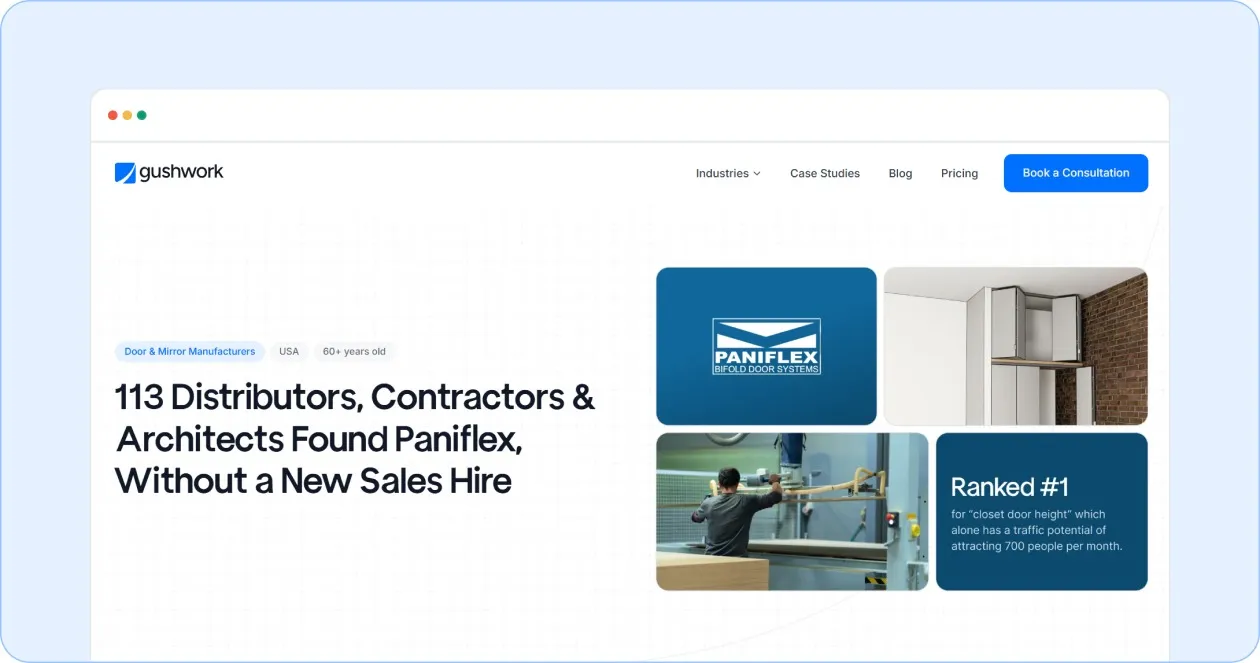
- 113 new qualified buyers in 6 months, without additional sales staff.
- Optimized SEO strategy and provided technical resources to attract the right buyers.
- Answered the right buyer questions at the right time to establish authority.
- Created technical guides (e.g., product specifications, installation manuals) to gain trust and beat competitors.
- Used content creation to drive significant traffic and generate high-quality leads.
By focusing on answering the right questions and offering detailed resources, you can also increase visibility and capture high-quality leads in a competitive market, just like Paniflex did.
Combine These Strategies for Home Builder Marketing Success
Your marketing strategy should be the foundation of your home-building business. As your website attracts the right traffic, social media builds connections, and digital tours create a lasting impression, the results begin to show.
This is about building a marketing system that works for you, consistently and effectively.
It takes expertise, the right strategies, and a personalized approach. With the right guidance and AI-powered insights, Gushwork helps you refine your marketing efforts and turn your goals into tangible success.
Are you prepared to elevate your home builder marketing?
With Gushwork's AI-powered solutions, we help you optimize SEO, improve your Google Business Profile, and create high-quality content that attracts the right buyers.
Book a Free SEO Consultation

Digital Marketing
Nov 13, 2025
5 mins
14 Steps To Build A Lawn Care Business Plan That Puts You in Charge of Your Market
Ishani Mitra
Most lawn care businesses don’t struggle because they lack skill. They struggle because the work is consistent, but the planning behind it isn’t. You can mow a yard perfectly, but without a clear structure for pricing, routes, costs, and marketing, the business feels unpredictable week after week.
A good lawn care business plan changes that. It gives you clarity on what to offer, how to charge, which neighborhoods to target, and how to stay profitable even when the season gets hectic. When you know where you’re headed, your day-to-day decisions become easier, and your growth becomes intentional instead of accidental.
In this blog, you’ll learn how to build a practical, easy-to-follow lawn care business plan, from defining services and pricing, to handling legal steps, to setting up the marketing foundation that brings you steady local clients.
What Does a “Lawn Care Business Plan” Mean?
A solid lawn care business plan starts with understanding what a lawn care business is at its core.
In simple terms, a lawn care business offers outdoor maintenance and upkeep services, ranging from mowing, edging, and trimming to fertilisation, aeration, and seasonal clean‑ups, to homeowners and commercial properties.
What sets a successful lawn care business apart:
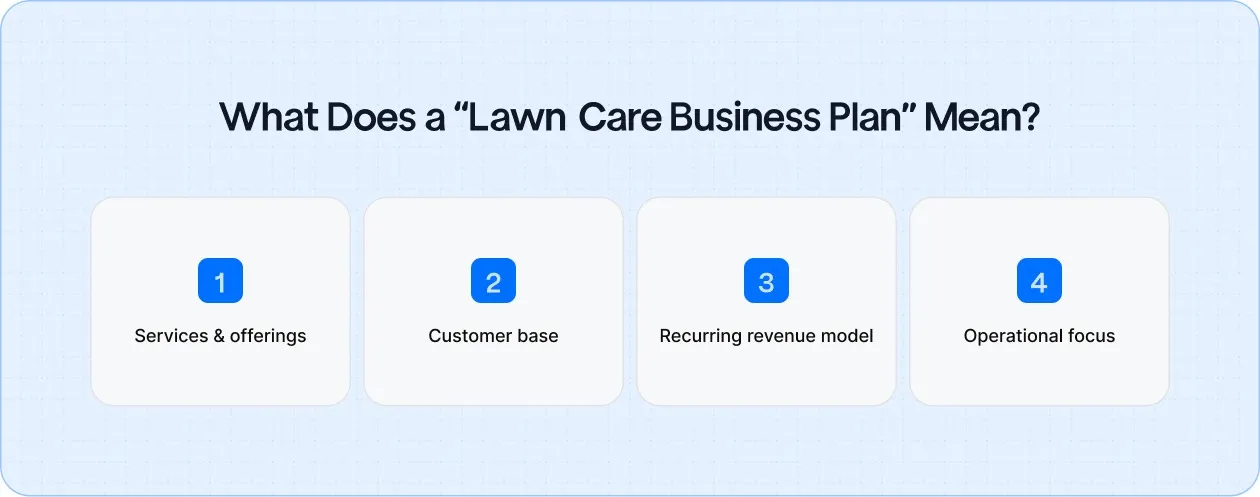
- Services & offerings: Your offerings might range from simple mowing and trimming to more detailed work like fertilization, weed control, and lawn restoration.
- Customer base: You will serve residential clients, commercial properties (office parks, schools, apartment complexes), or both, each has its own expectations and opportunities.
- Recurring revenue model: Unlike one‑time jobs, the most sustainable lawn care businesses offer ongoing contracts (weekly, bi‑weekly, monthly). They secure long‑term clients rather than simply one‑and‑done jobs.
- Operational focus: You’ll manage equipment, scheduling, materials, and weather‑related challenges. You’ll also need a reliable marketing and growth strategy, one that’s part of your business plan.
A lawn care business operates at the intersection of ongoing service delivery, customer relationships, and operational reliability. Your business plan should reflect this by clearly outlining what you will offer, who you will serve, and how you’ll deliver consistent, high‑quality service that earns repeat customers.
Turn Your Business Into a Top Result in Your Area
Clean, practical SEO helps you show up in Maps, get more calls, and build recurring clients.
Boost My Visibility
How to Create a Lawn Care Business Plan (Step-by-Step)
Below is a clear, organized breakdown of everything your plan should include, backed by current industry expectations and real operational needs.
1. Study Your Local Lawn Care Market
Before writing anything in your business plan, you need a real understanding of the market you’re about to serve.
A proper market assessment gives you clarity on where to focus and how to position yourself from day one.
How to do it:
- Identify your customer types: Determine whether you’ll serve homeowners, landlords, HOAs, commercial properties, or a mix. Each group has different expectations and pricing tolerances.
- Evaluate competitors: Look at 5–10 nearby lawn care companies. Note their pricing, service lists, response times, and gaps in their offerings.
- Check local demand: Use Google Trends, social media groups, and search volume tools to understand peak seasons and most-requested services in your area.
- Study pricing ranges: Compare local pricing for weekly mowing, seasonal services, and specialty work so you don’t undercharge or overprice yourself.
- Find underserved neighborhoods: Identify ZIP codes with older homes, larger lawns, or high turnover, these often have steady maintenance demand.
This research anchors every decision you make next: your services, pricing, target ZIP codes, and marketing priorities.
2. Build Your Core Business Plan
Once you understand your market, shape that knowledge into a clear business plan.
How to do it:
- Define your services: List your core weekly services and your seasonal or add-on offerings. Make it clear what you’ll say yes or no to when customers ask for extras.
- Clarify your target market: Document the customer types, incomes, property sizes, or industries you’ll serve most.
- Set financial expectations: Outline your startup costs, monthly expenses, expected revenue, and break-even timeframe so you know what you must earn to stay profitable.
- Write your one-year and three-year goals: Include client count goals, revenue milestones, service expansion plans, and equipment upgrades.
- Create your operational philosophy: Describe how you want your business to run: response time standards, quality controls, communication style, and job workflow.
Your business plan isn’t a formality. It’s your stability guide when the season gets busy, allowing you to grow intentionally instead of reacting week to week.
3. Choose the Right Business Structure
Your business structure determines how you’re taxed, what legal protections you have, and how easy it is to scale later. Many lawn care owners skip this step or choose the simplest option, which can create problems when they grow or hire.
How to do it:
- Compare common structures:
- Sole Proprietorship: Easy to start, but no liability protection.
- LLC: Best balance of simplicity and legal protection for most owners.
- S-Corp: Helpful once you grow and need payroll and tax optimization.
- Assess liability exposure: Since you're working with equipment on client property, an LLC is typically the safest way to protect your personal assets.
- Consider your long-term plans: If you want multiple crews or commercial contracts later, choose a structure that grows with you.
- Research your state requirements: Some states have specific registration rules, annual fees, or publication requirements for LLCs.
Choosing the right structure early prevents legal issues later and sets the foundation for clean bookkeeping, insurance, and tax management.
4. Register Your Lawn Care Business
After selecting your structure, the next step is to make your lawn care business official. Registration ensures you’re recognized by state and local authorities, which protects you legally and allows you to operate without interruptions. It also gives you access to essential items like tax accounts, business banking, and insurance.
How to do it:
- Register your business name: File an LLC or DBA with your state, depending on your chosen structure.
- Obtain an EIN/TIN: Apply for a free Employer Identification Number from the IRS so you can hire, pay taxes, and open business accounts.
- Check local city/county requirements: Some areas require home-service providers to hold specific permits even if the state doesn’t.
- Secure your state business license (if required): Regulations vary widely, so confirm what applies in your area before starting work.
Getting registered early prevents future complications when you expand to new neighborhoods or take on larger contracts.
5. Secure the Required Permits and Licenses
Depending on your service offerings, you may need additional licenses before you take your first client. This applies especially if you plan to offer fertilization, weed control, or pest treatment, services that fall under chemical application laws in most states.
How to do it:
- General business license: Many municipalities require a standard operating license for service businesses.
- Pesticide/fertilizer license: If you’ll apply chemicals, complete your state’s required training and pass certification exams.
- Sales tax permit: Necessary in states where lawn care services are taxable.
- Vehicle and trailer permits: Ensure your truck, trailer, and any mounted equipment meet local transport regulations.
Obtaining the right licenses elevates your professionalism and keeps you legally protected as you scale.
6. Get Proper Insurance for Protection and Credibility
Lawn care work comes with risks, property damage, injuries, equipment theft, and vehicle accidents. Insurance protects your business from financial loss and reassures clients that you operate responsibly.
How to do it:
- General Liability Insurance: Covers accidental damage to customer property, injuries, or mishaps on-site.
- Commercial Auto Insurance: Protects your truck and trailer when used for business operations.
- Workers' Compensation: Required if you plan to hire employees, protecting both you and your crew.
- Equipment Insurance: Covers theft, breakdown, or replacement costs for high-value tools.
- Umbrella policy (optional but helpful): Adds an extra layer of protection for growing teams.
7. Set Up Your Finances the Right Way
A lawn care business becomes unmanageable fast if you mix personal and business finances. Clean financial setup protects you during tax season, makes you look credible to customers, and helps you understand whether your routes are actually profitable.
How to do it:
- Open a dedicated business bank account: Keep all income and expenses separate from personal finances. This simplifies taxes and avoids legal issues.
- Choose bookkeeping software: Tools like QuickBooks or Xero help track invoices, expenses, fuel costs, payroll, and route profitability.
- Prepare for quarterly taxes: Contractors typically pay estimated taxes every quarter. Set money aside so you aren’t surprised later.
- Create a basic budget plan: Map out your expected revenue, fuel costs, maintenance, marketing spend, and replacements for wear-and-tear items.
- Track payment methods: Offer card, ACH, and automatic billing to improve cash flow and reduce delayed payments.
Strong financial organization keeps your business stable even through weather swings or seasonal slowdowns.
Set Pricing Using a Clear and Defensible Formula
Pricing is one of the most important parts of your lawn care business plan and many new owners guess incorrectly.
Use a simple calculation:
Time per yard + equipment + travel + overhead = visit rate
Then create a pricing table for:
- Small lawns
- Medium lawns
- Large lawns
- Weekly vs. biweekly visits
Your business plan should also outline:
- Minimum job price
- Route-based discounts or surcharges
- Pricing for add-on services
8. Purchase the Equipment You Need to Operate
Once your business is legally and financially set, it’s time to invest in tools that can handle daily work.
How to do it:
- Start with essential tools: A commercial mower (push or riding), trimmer, edger, blower, PPE, and fuel storage.
- Choose equipment that matches your service type: A zero-turn mower is ideal for larger properties, while a self-propelled model may suit smaller city lawns.
- Document maintenance schedules: Clean blades, change oil, and check belts weekly to prevent breakdowns mid-route.
- Plan for transport: A truck with racks or a small trailer is typical. Ensure your trailer has proper tags and meets local transport rules.
- Buy gradually: Start lean. Upgrade only when routes become predictable and income justifies the investment.
Good equipment builds your reputation for reliability because clients notice the quality of your cuts and consistency of your service.
9. Plan What Services You’ll Offer
Your service list is one of the most important parts of your business plan because it determines your pricing, your schedule, your equipment needs, and the types of clients you’ll attract.
How to do it:
- Start with a core service lineup: Build your base around the services you can deliver reliably every week such as mowing, edging, trimming, and blowing. These form the foundation of your recurring revenue.
- Add seasonal or high-margin add-ons: Include aeration, overseeding, mulching, leaf cleanup, hedge trimming, and spring or fall cleanups. These fill slow months and increase average ticket value.
- Decide whether to offer chemical services: Fertilization, weed control, and pest control require licensing in most states. If you plan to offer them, include training, certification, and insurance updates in your plan.
- Create clear service packages: Build tiered plans like “Basic Mowing,” “Full Maintenance,” or “Premium Lawn Care” so customers understand exactly what’s included. Packages simplify pricing and make upsells easier.
- Set boundaries for what you don’t offer: Clearly list services you won’t handle like irrigation repairs, tree removal, or hardscaping if those aren’t in your scope. This eliminates confusion and filters out low-fit requests.
- Define service frequency: Decide whether you’ll offer weekly, biweekly, or monthly visits and how those schedules affect your pricing and route planning.
10. Build a Marketing Plan
A strong marketing plan helps you show up where homeowners actually look: Google, Maps, local directories, and social platforms. This shifts your business from word-of-mouth luck to reliable, ongoing client flow.
How to do it:
Set Up Google Business Profile (GBP)
Your Google Business Profile is the most important tool for showing up in local searches and getting calls from nearby homeowners.
How to set it up correctly:
- Add all service areas so Google knows exactly where to show your listing.
- Upload real project photos that show lawns you’ve serviced. This boosts trust and engagement.
- Complete every field including hours, description, and services.
- Post weekly updates to stay active in Google’s system and increase visibility.
- Enable messaging and calls so customers can reach you instantly.
Get Seen by Local Homeowners
Set up a strong Google Business Profile and make your lawn care services show up where people are already searching.
Optimize My Profile
Apple Business Connect
This is Apple’s version of Google Business Profile. It controls how your business appears in Apple Maps and on Siri searches. Many homeowners use iPhones, so having an updated Apple Business Connect profile helps you show up there too.
Create a Simple, Clear Website
Your website needs to be clean, mobile-friendly, and built to help visitors understand what you offer and how to contact you.
What to include on your website:
- A services page outlining everything you offer, written in plain language.
- Pricing ranges or starting rates to set expectations and reduce unqualified inquiries.
- Areas you serve so homeowners know you cover their neighborhood.
- High-quality photos of your work to build trust immediately.
- Strong call-to-action buttons like Call Now or Get a Quote on every page.
- Fast load speed and mobile-first layout to prevent drop-offs.
Add Local SEO Basics
Local landscaping SEO helps your website and GBP appear when homeowners search for terms like “lawn care near me.” These simple steps make your business easier for Google to index and easier for customers to find.
Local SEO essentials to implement:
- Use location-based keywords like “lawn care in [City]” in titles, headers, and service pages.
- Keep your NAP (name, address, phone) consistent across your website, GBP, and directories.
- Add schema markup to help search engines understand your business details.
- Create separate service-area pages if you serve multiple cities or neighborhoods.
- Optimize image alt text with descriptive, local terms.
Make Local Customers Find You First
Strengthen your local SEO so your lawn care business shows up where homeowners are already searching.
Improve My Local Ranking
Social Media Marketing
Social media is one of the fastest ways for a lawn care business to stay visible in the neighborhoods you want to serve. Homeowners want to see who they’re hiring, and platforms like Facebook, Instagram, and Nextdoor let you show your work while building a local following that turns into real customers.
- Post project photos and videos regularly including before-and-after cuts, clean edges, and transformations. Visual proof builds trust faster than any ad.
- Share short tips and seasonal reminders such as mowing heights, fertilizing windows, or storm prep. Helpful advice keeps you top-of-mind.
- Use location tags and neighborhood hashtags to get discovered by homeowners in specific communities you want to target.
- Respond to comments and questions quickly to show you’re active and easy to work with.
- Feature client shoutouts or repeat customers to reinforce reliability and encourage referrals.
- Join Facebook and Nextdoor groups where homeowners ask for local recommendations. Be present, answer questions, and become the go-to pro.
Use Yard Signs to Build Hyperlocal Awareness
A single yard sign can generate multiple inquiries because it shows real proof of your work right where potential customers live. It’s one of the simplest and cheapest ways to grow inside targeted neighborhoods.
11. Offer Referrals
Referrals and local incentives work incredibly well in lawn care because homeowners trust recommendations from neighbors more than anything else.
How to do it:
- Referral offers: Give a small discount to clients who refer friends and neighbors. Keep the offer simple and easy to redeem.
- Block pricing: Offer reduced rates for multiple homes in the same street or in the same HOA to strengthen route density and cut down drive time.
- Loyalty perks: For long-term clients, offer an annual cleanup discount or a one-time edging upgrade.
- Door-to-door follow-ups: After finishing a job, introduce yourself to nearby homeowners with a card or door hanger.
- Local business partnerships: Connect with realtors, home inspectors, and property managers who can refer steady work.
These strategies help you grow where it matters most and reduce wasted time driving between distant properties.
12. Create an Operations Plan
An operations plan helps you manage service frequency, weather disruptions, equipment care, and communication so you’re not constantly reacting to chaos.
How to do it:
- Set weekly service cycles: Lock in which neighborhoods you visit on which days to avoid backtracking and wasted time.
- Create weather backup rules: Decide how you’ll handle rain delays, rescheduling, and notifying clients so expectations stay clear.
- Set standard service checklists: Define exactly what each visit includes (cutting height, trimming borders, blowing debris) for consistent results.
- Prepare maintenance routines: Track blade sharpening, oil changes, tire checks, and general equipment upkeep weekly or biweekly.
- Plan fuel and supply runs: Schedule these on low-volume days so they never disrupt your route.
- Document communication templates: Keep ready-made texts or emails for quotes, delays, and completion notifications.
A reliable operations plan makes your workload easier to predict and helps you look professional even during your busiest weeks.
13. Hire and Train Your First Crew
Your first hires shape your reputation. Whether you bring in one helper or start building a team, you need clear expectations, repeatable processes, and basic training to maintain consistent service.
How to do it:
- Start with part-time help: This reduces risk and lets you build demand steadily before bringing someone full-time.
- Create a simple onboarding checklist: Include equipment handling, safety rules, mowing patterns, trimming standards, and customer etiquette.
- Shadow training: Have new team members ride along for at least a week to learn your exact methods.
- Set quality standards: Use photos or short videos showing your expected finish work for edging, blowing, and mowing lines.
- Rotate responsibilities: Cross-train every crew member so no task depends on one person.
- Offer performance incentives: Bonuses for punctuality, quality scores, or zero callbacks help maintain standards.
When your crew delivers consistent quality, you build the trust and reliability that keep clients long-term.
14. Get Your First Lawn Care Customers
Before you think about scaling, you need to land your first few clients. Your goal here is to generate momentum through simple, local, high-trust channels that homeowners respond to.
How to do it:
- Leverage your neighborhood first: Door hangers, yard signs, and direct introductions in the areas you want to service.
- Offer opening-week discounts or bundled rates: Not long-term cuts, but small incentives to get early traction.
- Ask for reviews immediately after service: These first reviews boost your Google Business Profile visibility.
- Join local groups: Facebook community pages, Nextdoor, and HOA newsletters often bring quick leads for new operators.
- Network with related businesses: Landscapers, real estate agents, and property managers frequently need lawn care partners.
Once you have a handful of customers in one ZIP code, you’ll build route density faster and reduce drive time between jobs.
A plan becomes truly useful when it’s practical and when it evolves with your business.
Best Practices for Crafting a Lawn Care Business Plan
A solid lawn care business plan helps you focus on the right goals and keep your business on track. To make your plan as effective as possible, here are some practical best practices to follow:
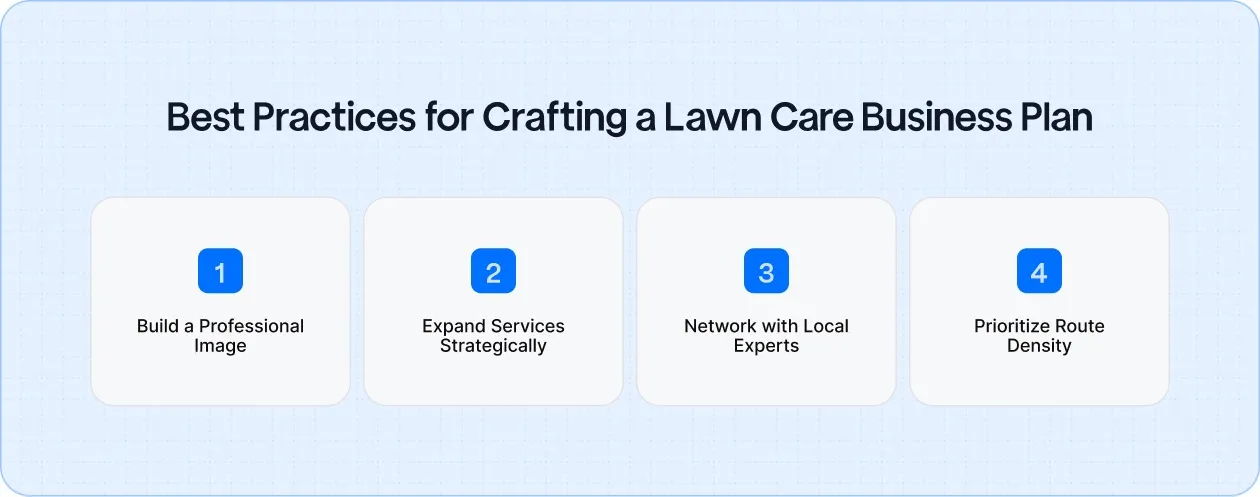
- Build a strong professional image: Your logo, uniforms, truck decals, website, and yard signs shape the first impression homeowners get. A clean, consistent look builds trust instantly, while a sloppy presentation can raise doubts before you even quote the job.
- Expand your services once you’re stable: After you have steady mowing routes, add higher-margin services such as fertilization, weed control, landscape cleanups, or small installs. These services increase revenue per client and help you stand out in a crowded market.
- Network with other local experts: Connect with nearby lawn care operators, landscape companies, and weed-control specialists. Many trade referrals, mowing leads go one way, chemical services the other, and these relationships often bring easier, warmer jobs.
- Prioritize route density: Aim to group clients in tight clusters so you spend more time mowing and less time driving. High-density routes make your schedule efficient and greatly improve profitability.
Conclusion
A strong lawn care business grows from a simple, repeatable plan that tells you what to offer, who to serve, and how to stay profitable as you add more clients. Once your service list, routes, pricing, and marketing foundation are set, the business becomes far easier to run and far easier to scale.
If you’re serious about turning lawn care into a long-term business instead of a seasonal side job, your plan is the first step. Put the structure in place now, and everything that comes after, the clients, the reviews, the referrals, becomes much easier.
Are you ready? Let’s get you started!
Want Steady Lawn Care Leads Without Relying on Ads?
Build an SEO foundation that brings in consistent calls from local homeowners.
Start My SEO Plan
SEO
Nov 13, 2025
5 mins
SEO for Home Builders: What It Is and How to Make It Work for You
Ishani Mitra
Most people don’t pick a home builder after one conversation. They browse quietly. They look at portfolios, compare recent projects, read reviews, and try to understand how a builder works before they ever reach out. All of this happens before they ever step into your office or call you.
So even if you have solid workmanship and happy clients, you can still be overlooked if your business isn’t showing up where people search, especially in local results and map listings.
Home builder SEO solves this problem. It makes sure the right people find you at the right time.
This guide will walk you through local search works, the types of SEO that matter most for home builders, and the practical steps that help you stand out in your market.
Why Do Home Builders Need to Invest in SEO?
Home builder SEO is the process of helping your business appear in the exact places where local buyers search for builders. It improves how clearly you show up in Google’s local results, how confidently buyers can evaluate your work online, and how easily they can contact you when they’re ready.
Here’s why they are important:
- Stronger Visibility Where Buyers Look First: Most clicks go to the first three search results. People rarely scroll. Builders outside the top results become almost invisible to active buyers.
- Buyers Start Their Research on Google: Roughly 93 percent of people turn to Google before choosing a business. Appearing during that research phase puts you on the shortlist before a buyer speaks to any builder.
- More Qualified Inquiries From Local Searches: Local searches tend to convert at higher rates because they come from people who already know what they want.
- Long-Term Growth Without Continuous Ad Spend: Unlike ads that stop the moment you stop paying, organic visibility continues to bring in leads month after month.
- A Competitive Advantage in Your Local Market: Many rely only on referrals or generic websites. Strong SEO lets you outperform competitors who overlook online visibility.
Ready to Improve Your Local Visibility?
Get a clean, clear SEO setup that helps the right clients find you.
Start My SEO
How to Build a 10-Point SEO Strategy That Helps Home Builders Stand Out
A strong SEO strategy works on several layers at once. It helps your business show up in local searches, makes your website clearer and more trustworthy, and builds the authority you need to compete in your market. This section brings all of those pieces together into one practical plan you can follow.
Understand What Your Buyers Are Searching For
Before you improve rankings, you need to know which terms your ideal clients use. This shapes every page you build and every update you make.
Define your keyword approach
- Know what SEO is doing for you: SEO helps Google understand when your page should appear for terms like home builder near me or contractor near me.
- Target easier wins first: Start with keywords that have low competition but steady search volume. These are the “low-hanging fruit” that help you gain visibility faster.
- Use tools for clarity: Tools like SEMrush let you check keyword difficulty, search volume, and what your competitors rank for.
- Choose highly local phrases: Prioritize phrases tied to neighborhoods, counties, and build types such as “new construction downtown Chicago” or “cost to build a house in Chicago”.
- Create content from your research: Each key topic deserves its own page or blog post. This improves relevance and makes it easier for buyers to find useful answers.
Make Your Website Clear, Relevant, and Easy to Understand
Your website needs to match the exact search intent of your visitors. When a page aligns cleanly with what someone searches for, it has a much better chance of ranking.
Apply on-page optimization correctly
- Match the keyword to the topic: A page about building a home in Chicago should directly answer that topic.
- Use one keyword per page: This keeps your content focused and helps Google understand the purpose of each page.
- Place keywords where Google expects them: Add your main term to your title tag, URL, H1, meta description, first paragraph, and image alt text.
- Strengthen your site structure: Pages should be organized in a simple, intuitive layout. If the structure is weak, fix it early.
- Use helpful WordPress plugins: Plugins like All-in-One SEO, Yoast, or Rank Math make optimization easier.
- Secure your website: An SSL certificate protects user data and signals trust. Visitors should see the padlock icon next to your URL.
Build a Website That Shows What You’re Capable Of
We’ll create a clean, professional site from the ground up, designed to help local buyers see your best work and contact you easily.
Create My Website
Build Local Visibility With a Strong Google Business Profile
Local SEO connects you with buyers in your service areas. Your profile on Google Maps often becomes the first impression someone sees.
Optimize your profile for trust and relevance
- Solidify your Maps presence: A well-maintained listing brings in traffic that is ready to contact you.
- Earn steady reviews: Businesses with around fifty reviews tend to perform better. Ask every client for a quick, honest review.
- Service area accuracy: Define primary and secondary build zones in GBP and on the website; don’t create location pages for places you cannot realistically serve.
- Tune your profile details: Add a clear description, strong keywords, service categories, and recent photos.
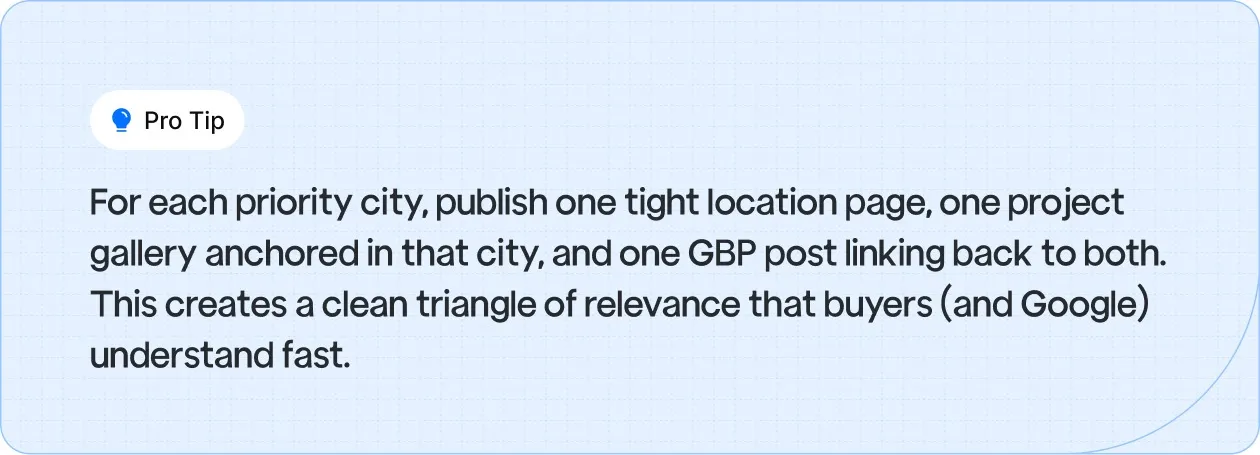
- GBP posts & media: Publish a GBP post monthly linking to new location or project pages; add geotagged images when possible.
- Local citations: Maintain NAP consistency across directories (NAHB, HBA, Chamber, Houzz, Angi). Fix duplicates and mismatches.
Be the Builder They Find First
We’ll claim, verify, and optimize your Google Business Profile so local buyers see your projects and call you.
Optimize My GBP
Optimizing On-Page SEO
On-page is how you signal to search engines what a page is about and why it should rank.
Apply on-page optimization correctly
- One keyword per page: Keep pages focused and avoid trying to rank one page for many unrelated queries.
- Keyword placement checklist: Put the main term in the title tag, URL, H1, meta description, first paragraph, and image alt text.
- Content relevance: Answer the query fully. Include costs, timelines, permitting notes, and local context.
- Site structure matters: Use a simple path such as Home > Services > Service Type > Location Pages > Project Pages. Fix weak structure early.
- WordPress tools: Use Yoast, Rank Math, or All-in-One SEO to manage meta tags, sitemaps, and schema basics.
- Internal linking rule: Each new blog should link to at least two service or location pages, and each project page should link back to its related service and location pillars.
Off-Page SEO
Off-page signals are third-party endorsements that lift your domain authority and local trust. This makes Google view your site as credible.
Build authority through real connections
- Necessity of backlinks: Backlinks remain a strong ranking factor, especially for competitive local terms.
- Quality over quantity: Seek links from suppliers, architects, local news outlets, industry associations, and municipal or chamber pages.
- Acquisition tactics: Earn links through project features, press releases, guest content, sponsorships, and community involvement; vet curated link sources carefully.
- Sustaining rankings: A steady backlink program strengthens long-term visibility even as markets shift.
- Local PR and partnerships: Work with local partners to increase natural mentions and credibility signals.
Get a SEO Plan That Works
We’ll build location pages, tune your site, and track leads so you get steady, qualified inquiries without extra hassle.
Get My SEO Plan
Build Content That Answers Real Buyer Questions
Your content marketing should help people understand how you build, what the process looks like, and what they can expect. This builds authority and reduces hesitation.
Use practical content formats
- Project pages as conversion assets: Include a clear title, 2–4 sentence summary, specs, a timeline, 4–6 optimized photos with captions, and FAQs.
- Symptom and cost pages: Create pages for early-stage problem questions and location-specific cost breakdowns.
- Media strategy: Use WebP or JPEG, size hero images around 1200px, compress files, add descriptive alt text with city and project type, and geotag important photos.
- Video and short form: Publish walkthroughs and quick explanations; repurpose these as Google Business Profile posts and social snippets.
- Editorial calendar: Schedule content around seasonality; publish cost and planning guides 6–8 weeks before peak building periods.
Technical SEO
Technical SEO creates a solid foundation for ranking and converting leads.
Fix technical issues early
- SSL certificate: Serve your site over HTTPS. SSL is a trust signal, and visitors should see the padlock icon.
- Page speed: Compress images, enable caching, use a CDN, and remove render-blocking scripts to improve load times.
- Mobile-first: Ensure galleries, buttons, and contact elements function cleanly on mobile; add a sticky click-to-call button where possible.
- Sitemap and robot rules: Submit an XML sitemap via Google Search Console and make sure robots.txt doesn’t block key content.
- Crawlability and AI crawl signals: Avoid hiding important text behind scripts; ensure content loads in a way search engines can interpret.
Attribution, Calls, and Conversion Tracking
Tracking these signals helps you refine your strategy, double down on what works, and stop spending time on what doesn’t.
Measure the actions that reflect real growth:
- Organic traffic: Review how many visitors reach your site from unpaid search results. Steady growth shows stronger visibility and relevance.
- Keyword rankings: Track where your priority terms sit in search results and how those positions change month to month. Rising rankings often align with increased inquiries.
- Click-through rate (CTR): Measure how often people click your result after seeing it in Google. Higher CTR signals strong titles, meta descriptions, and relevance.
- Conversion rate: Track how many visitors take action like calling, filling out a form, or scheduling a consultation. This reveals whether your pages are answering buyer questions well.
- Leads generated: Count form submissions, calls, and consultation requests tied to organic traffic. These numbers show the real impact your SEO is having on your pipeline.
- Cost per lead: Compare your SEO investment against the number of qualified inquiries you receive. A lower cost per lead over time means your strategy is compounding effectively.
The Role of AI in Home Builder SEO
AI helps you work faster and identify patterns, but human judgment still leads the strategy.
Use AI where it adds real value
- Keyword clustering: Group related search terms into themes and buyer stages.
- AI cost estimators and tools: These attract backlinks and increase engagement.
- AI for UX testing: Heatmap predictions and layout suggestions help optimize conversions.
- AI for internal linking: Automated recommendations help connect pages logically and boost authority
- Caveats: AI drafts ideas but can’t replace local expertise or industry understanding; review everything for accuracy.
What an Actual SEO Timeline Looks Like for Builders?
A clear marketing timeline for home builders sets expectations and helps keep improvements steady.
Build momentum in phases:
- First 30 days: Fix major technical issues, activate SSL, clean up your Google Business Profile, audit site structure, and resolve urgent UX issues.
- 60–90 days: Publish service and location pages, initial project pages, and start a review request flow.
- 3–6 months: Increase content production, begin link outreach, and imprWhat makes SEO for home builders different from other industries?ove internal linking; expect early ranking and Maps improvements.
- 6–12 months: Build authority with press, larger project pages, and consistent backlinks; rankings for harder terms often appear here.
- Ongoing: Keep GBP active, gather reviews, refresh galleries, and update cost pages as markets shift.
Let Gushwork build a clear, step-by-step SEO marketing timeline that helps you grow visibility, attract qualified local buyers, and turn steady search interest into real project inquiries.
Building Visibility Is Just as Important as Building Homes
People need to find great work first. Home builder SEO is how you make that happen.
If you’ve already built your reputation on quality and service for your business, SEO is what ensures people actually see it.
Your next client might be searching today. The question is, will they find you?
Ready to Be the Builder Buyers Find First?
Get a clear, practical SEO setup that helps local clients see your best work and contact you with confidence.
Start My SEO Plan

SEO
Nov 10, 2025
5 mins
Construction Industry Marketing: 10 Unbeatable Strategies to Dominate in 2026
Batul Beawarwala
Construction marketing is harder than most industries because your buyers do not impulse-buy. They shortlist contractors based on trust, proof, timelines, safety, and whether you can deliver. That decision happens across multiple people, owners, project managers, procurement teams, architects, and sometimes even lenders.
In 2026, the companies that win are the ones that show up consistently online, prove credibility fast, and make it easy for serious prospects to take the next step. That means SEO, reviews, proof-led content, and smart follow-up systems, plus a few offline tactics that still work when your market is local.
This guide breaks down 10 construction industry marketing strategies that help you build visibility, earn trust, and turn interest into real enquiries.
What is Construction Industry Marketing?
Construction industry marketing is done using customized strategies to promote your services, build credibility, and connect with the right clients. It goes beyond simple advertising and focuses on positioning your business as a trusted expert.
Effective marketing blends both digital and offline methods, each playing a vital role in reaching different audiences.
Core Elements
- Digital Marketing: Focuses on building an online presence through SEO, proof-led content (case studies, project pages, service pages), and social media engagement. This helps you reach a larger audience and stay visible in search results.
- Offline Marketing: Includes local advertising, event sponsorships, and community involvement. These methods help you build trust and recognition in your local area.
Why Both Matter?
- Digital Strategies allow construction firms to create personalized experiences and expand their reach.
- Traditional Methods help maintain local connections, ensuring your business stays relevant and trusted in your community.
10 Highly Effective Marketing Strategies for Construction Firms
Standing out in the construction market requires getting noticed, building trust, and forming long-lasting relationships. The right marketing strategies help your business grow by combining digital and offline methods, ensuring you reach the right clients at the right time.
Below are 10 key strategies that will help you stay ahead in a competitive industry.
1. Search Engine Optimization (SEO)
SEO ensures that your construction business is visible when potential clients search for services like yours. A well-optimized website means you’re easily found by the right audience, and local SEO ensures you’re visible to those searching within your service area.
- Why SEO Matters: SEO makes sure your business appears on the first page of search results, helping you gain visibility and attract high-quality leads
- Local SEO: Focus on location-specific keywords like “construction marketing firms in Miami” to ensure you show up in local search results. Optimize your Google Business Profile and Apple Business Connect to improve visibility in local searches.
Want to be found by the right clients?
A solid SEO strategy ensures your business ranks higher and gets noticed by clients searching for your services.
Start SEO Optimization
2. Social Media Marketing
Social media allows you to connect with potential clients, showcase your work, and build trust. Platforms like Instagram, LinkedIn, and Facebook are great for sharing updates, projects, and engaging with your audience.
a) Best Platforms:
- LinkedIn: Professional networking and industry updates.
- Instagram and Facebook: Visual showcases of your completed projects.
- Twitter: Industry news and quick updates.
- Pinterest: Design ideas and inspiration for future clients.
- Snapchat: Behind-the-scenes content, especially for a younger audience.
b) Engagement Tactics:
- Behind-the-scenes content to build transparency.
- Project updates that show progress and milestones.
- Client testimonials to build credibility and trust.
3. Email Marketing
Email marketing is a cost-effective way to stay in touch with clients and leads. By building an email list and sending personalized content, you can nurture relationships and keep your business top of mind.
a) Building Email Lists: Offer valuable resources like guides, consultations, or industry insights in exchange for email sign-ups.
b) Personalized Campaigns:
- Segment your email list to send personalized messages, such as follow-ups after a project or special offers for new services.
- Send regular newsletters with updates on recent projects, new offers, or industry trends.
4. Content Marketing
Content marketing allows you to educate your audience, demonstrate your expertise, and answer common questions. By publishing high-quality blogs, case studies, and videos, you can showcase your knowledge and attract clients seeking expert guidance.
a) Educational Content:
- Write how-to guides, tips, and project case studies.
- Share industry insights and best practices to show your expertise.
b) Building Authority: Consistently publishing valuable content will position your company as a trusted authority in construction, driving more traffic to your website.
Want to show your expertise and attract more clients?
Consistently publishing valuable content can position your business as a trusted leader in the industry. Let’s create content that engages and converts.
Content That Gets Customers
5. Pay-Per-Click Advertising
PPC advertising is a great way to quickly get in front of potential clients who are actively searching for your services. This strategy allows you to target specific keywords that your audience is using, ensuring that your ads are reaching the right people.
Targeted Ads:
- Use Google Ads to target construction-related keywords such as “best general contractors in San Francisco” or “construction marketing firms near me”.
- Advertise on social media platforms like Facebook and Instagram to reach a wider local audience with geo-targeting.
6. Networking and Relationship Building
Networking helps build trust and credibility in the construction industry. By connecting with potential clients and industry peers at events and conferences, you create valuable relationships that often lead to business opportunities.
a) Industry Events: Attend construction trade shows, local business networking events, and professional conferences to connect with potential clients and partners.
b) Client Relationships:
- Follow up with past clients to check in on their satisfaction, offer maintenance services, or keep them updated on new services.
- Regularly engage with clients to encourage repeat business and referrals.
7. Direct Mail and Flyers
Direct mail remains a strong tool in local marketing. Sending targeted postcards or flyers can increase your visibility and remind clients of your services, especially in local areas with high demand for construction services.
Targeted Campaigns:
- Design personalized postcards that highlight your completed projects, offer special promotions, or introduce new services.
- Send mail to local neighborhoods where construction projects are likely to be underway, such as new housing developments or commercial areas.
8. Outdoor Advertising
Outdoor ads like billboards, site signage, and vehicle wraps are highly visible, especially in high-traffic areas. These ads are seen repeatedly, helping increase brand awareness and keeping your company top of mind.
Billboards and Site Signage:
- Place billboards in high-traffic areas or near job sites where people are likely to see them regularly.
- Vehicle wraps are another great way to advertise your business, especially as you travel between job sites.
9. Reputation Management
Your reputation is everything. Managing online reviews and client feedback can directly impact your ability to attract new business. Actively respond to reviews and build trust by showcasing positive client experiences.
Building Trust:
- Encourage happy clients to leave reviews on Google, Apple Business Connect, and Yelp.
- Respond to both positive and negative reviews to show your commitment to client satisfaction.
10. Referral Marketing
Referral marketing taps into the power of word-of-mouth to generate new leads. Happy clients are your best advocates, and by creating a structured referral program, you can encourage them to recommend your services to others.
Client Referrals:
- Offer discounts or rewards for clients who refer new business.
- Set up a simple referral program that makes it easy for clients to refer their contacts and get rewarded.
Want to create content that truly resonates with your audience?
Aligning content with the right SEO strategy is key to driving visibility and client trust.
Get Expert Content Support
3 Key Marketing Trends for Construction in 2026
As the construction industry evolves, staying ahead of the curve is crucial for long-term success. The marketing trends shaping 2026 will focus on the integration of innovative technologies and a shift toward sustainability.
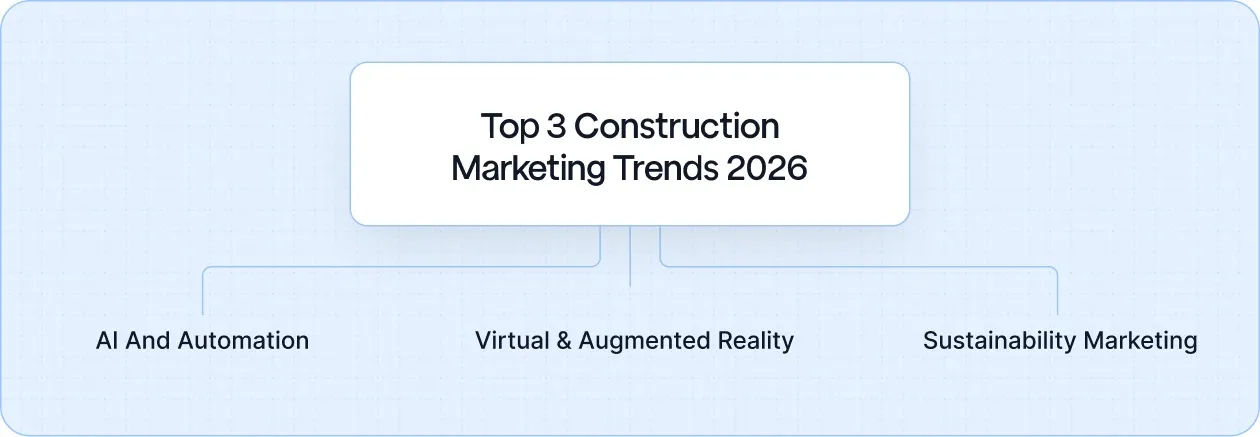
By embracing these trends, construction businesses can increase their visibility, build credibility, and strengthen relationships with clients. Below are the key trends to watch for:
1. AI and Automation
Artificial intelligence (AI) is becoming an essential tool for construction marketers. AI helps streamline several critical aspects of marketing, making it more efficient and effective:
- Content Creation: AI tools can help generate engaging content faster, assisting in writing blogs, social media posts, and ad copy personalized to your audience.
- SEO Optimization: AI-driven tools analyze real search queries, keyword clusters, and topic relationships to guide content structure, improve keyword targeting, and strengthen on-page optimization, reducing manual guesswork while improving search performance.
- Lead Follow-Up Automation: AI-powered workflows trigger instant follow-up emails or messages when someone fills out a contact form, downloads a guide, or requests a quote. Faster responses increase the chances of moving inquiries into active discussions.
- Review Response Workflows: AI-assisted tools help draft and organize responses to client reviews across platforms, ensuring timely engagement while maintaining a consistent brand tone.
- Bid Funnel Nurture: Automation can schedule reminder emails, share case studies, or send capability documents to prospects who have requested bids but haven’t responded, keeping your firm top-of-mind during long decision cycles.
By incorporating AI into your marketing strategy, construction firms can save time, increase accuracy, and focus more on high-level strategy.
2. Virtual and Augmented Reality (VR/AR)
Virtual Reality (VR) and Augmented Reality (AR) are increasingly being used in construction marketing to improve client engagement and showcase projects before they’re built:
- Virtual Walkthroughs: With VR, potential clients can take immersive virtual tours of their future buildings, helping them visualize the project long before construction begins.
- AR Integration: AR overlays virtual elements onto the real world, allowing clients to see how their new construction will look in its real-world environment through their smartphones or AR glasses.
These technologies make your marketing more interactive and build trust by allowing clients to see your capabilities firsthand.
3. Sustainability Marketing
Sustainability is no longer a trend; it's an expectation. Eco-conscious clients are actively seeking construction firms that align with their values. Marketing efforts focused on sustainability help attract these environmentally-minded clients. Highlighting your company's green certifications, energy-efficient materials, and eco-friendly building practices can set you apart from competitors.
- Eco-Friendly Materials: Showcase your use of sustainable materials such as recycled steel, bamboo flooring, or solar panels to emphasize your commitment to sustainability.
- Green Certifications: Highlight certifications like LEED or Energy Star to establish credibility in the eco-conscious space.
Marketing sustainability in a way that feels authentic rather than just “trendy” will resonate with clients who value long-term environmental impact.
Ready to align your content with the latest industry trends?
Seamless content structures can help you stay ahead of emerging trends and ensure your messages resonate with your audience in 2026.
Get Content-Driven Results
Build a Construction Marketing Strategy
A solid marketing strategy serves as the backbone for your construction business, helping you stand out in a competitive industry. Developing an effective construction marketing strategy involves understanding your audience, clearly defining your brand, and using the right channels to reach potential clients.
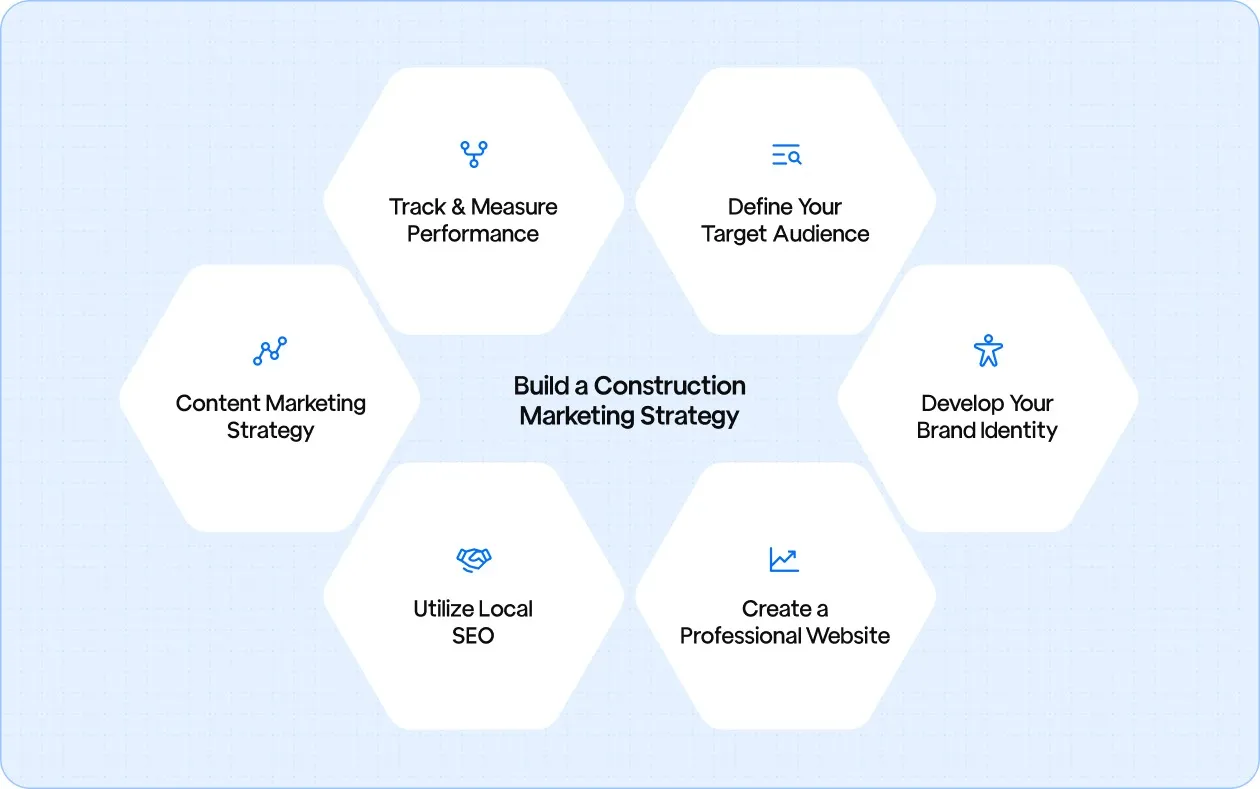
The following steps provide a clear guide to building a marketing approach that brings real results.
Step 1. Define Your Target Audience
Your marketing efforts will only be as effective as your understanding of who you’re targeting. Defining your target audience ensures that you focus your resources on reaching those most likely to need your services.
- Key Client Segments: Identify the types of construction projects you specialize in, such as residential, commercial, or industrial. Personalize your marketing approach to meet the unique needs of each client segment.
- Understand Client Needs: Determine what clients in each segment look for in a construction partner, such as timeliness, reliability, sustainability, or innovation. This helps refine your messaging to speak directly to their concerns.
By clearly defining your audience, you ensure that your marketing messages resonate with those most likely to become clients.
Step 2. Develop Your Brand Identity
Your brand identity is the personality of your business. It's what sets you apart and helps you connect with clients on a deeper level. Building a strong brand identity ensures you stand out in the minds of potential clients.
- Craft Your Brand Message: Communicate your company’s values, mission, and unique strengths. For example, if you focus on sustainable building practices, make sure that’s reflected in your messaging.
- Consistent Branding: Ensure that your brand is consistent across all platforms, website, social media, business cards, and brochures. This creates a unified and professional image that clients will recognize and trust.
A strong, consistent brand identity helps potential clients quickly understand what your company stands for and what makes you different.
Step 3. Create a Professional Website
Your website is often the first impression potential clients will have of your business. It’s crucial that it effectively showcases your capabilities and makes it easy for users to learn more and get in touch.
- SEO Optimization: Make sure your website is optimized for SEO to appear in search results when potential clients are looking for construction services in your area. Include relevant keywords related to your services and location.
- Mobile-Friendly and Easy Navigation: Ensure that your site is mobile-friendly (as many clients search for services on their phones) and easy to navigate. This includes having clear menus, fast loading times, and easy access to contact information.
- Key Elements: Highlight your best projects, client testimonials, and an easily accessible contact form to encourage visitors to reach out directly.
A professional website is a powerful tool for attracting and converting potential clients.
Step 4. Utilize Local SEO
Local SEO ensures that your construction business shows up in searches relevant to your area. Optimizing for local search is a must for construction companies targeting clients within a specific region.
- Claim Your Google Business Profile: This is one of the most important steps in local SEO. Make sure your Google Business Profile is fully optimized with accurate contact details, service areas, and photos of your projects. Don't forget to encourage clients to leave reviews.
- Claim Your Apple Business Connect Profile: Apple Business Connect is another key tool for local SEO. Ensure that your business details are accurate and up-to-date on Apple Business Connect. This ensures visibility for iPhone and iPad users who are searching for local services, particularly in areas where Apple Maps is widely used.
- Consistency Across Directories: Ensure your business information is consistent across all online directories (e.g., Yelp, Angi, Yellow Pages). This consistency increases your visibility and helps search engines trust your business.
- Local Keywords: Use location-based keywords throughout your website and content. For example, if you’re located in Los Angeles, use keywords like “Los Angeles construction services” or “contractor in LA”.
Optimizing for local SEO increases your chances of appearing in relevant local search results, helping clients in your area find and contact you faster.
Step 5. Content Marketing Strategy
Content marketing allows you to engage with your target audience by providing valuable insights that address their needs. Regularly updating your content builds your authority and keeps your business top of mind.
- Personalized Content: Create blog posts, case studies, and videos that speak to the specific needs of your audience. For example, if you're targeting commercial builders, write about cost-effective construction solutions or project management tips.
- Regular Updates: Post content regularly to keep your audience engaged. Share updates on your projects, industry trends, and any innovative approaches your company is using.
- Lead Generation: Use content as a tool for lead generation. For example, offer a free e-book or guide in exchange for email sign-ups, allowing you to stay in touch with potential clients.
Content marketing is an ongoing process that builds trust over time. By continuously providing value, you keep potential clients engaged and increase the likelihood of conversion.
Step 6. Track and Measure Performance
Marketing efforts need to be measured so that you can make informed decisions and continually improve your strategies. Using the right tools helps you track performance and identify areas for improvement.
- Google Analytics: Track website traffic, bounce rates, and conversion rates using tools like Google Analytics. This will help you see which pages and content are most effective in driving leads.
- Adjusting Strategies: Regularly review your performance data to see what’s working and what’s not. If a particular strategy isn’t yielding the desired results, adjust your approach by optimizing your website, changing your social media tactics, or focusing on a different marketing channel.
By tracking your performance, you ensure that your marketing efforts are continually refined to meet your business goals.
A solid marketing strategy can drive real growth for your construction business.
With the right approach, your marketing efforts will attract more clients, boost visibility, and fuel your success.
Build Your Content Strategy
Platforms for Streamlining Construction Marketing
To help your construction business optimize marketing efforts and improve client engagement, consider these essential tools:
- Gushwork: Specializes in content-led SEO by creating structured, optimized content like service pages, location pages, and decision-stage content.
- HubSpot: A comprehensive CRM platform that helps you manage leads, automate email campaigns, and track client interactions for a seamless marketing workflow.
- SEMrush: Perfect for increasing your SEO and tracking keywords to increase visibility on search engines.
- Hootsuite: Simplifies social media management, allowing you to schedule posts, monitor engagement, and track the success of your campaigns across platforms.
- Procore: A project management tool personalized for construction firms, helping streamline communication, budgeting, and scheduling for seamless operations.
These tools and platforms can help you streamline processes, stay organized, and drive better outcomes for your marketing strategy, ultimately making your construction firm more competitive in a fast-paced market.
Streamline Construction Marketing: The Role of Strategic Content
In the construction industry, staying visible and relevant is crucial to success. With numerous touchpoints and client needs, managing content efficiently can be overwhelming. A well-defined content strategy, focusing on consistency and precision, is key to maximizing your marketing efforts and ensuring long-term success.
How Strategic Content Powers Construction Marketing
Content drives traffic, builds credibility, and converts prospects into loyal clients. Strategic content ensures that your messaging is aligned with your audience's needs, helping your construction business stand out.
- Driving Traffic: SEO-optimized content helps your website rank higher in search engines, making it easier for clients to find you. Target relevant keywords based on your services, location, and target audience to increase visibility.
- Building Credibility: High-quality, well-researched content positions your business as a trusted industry leader. By sharing case studies, project highlights, and insights, you demonstrate expertise and build trust with potential clients.
- Converting Prospects: Use content strategically across the buyer’s journey, service pages, location pages, and decision-stage content to address potential clients' needs and concerns, helping them make informed decisions.
Why Content Matters?
In a highly competitive industry like construction, quality content can be the deciding factor between winning and losing a client. Construction clients expect to be educated about the businesses they choose to partner with. Here’s why content is critical:
- Service Pages: Service pages are the backbone of your SEO strategy. These pages explain your offerings and should target key service-related keywords, presenting your business’s expertise and value proposition clearly.
- Location Pages: For multi-location businesses, location-specific pages are essential for local SEO. They help clients in specific areas find your services. Include local keywords, case studies, and project highlights to enhance local relevance.
- Decision-Stage Content: Potential clients in the final decision-making stages need to see proof of your past success. Case studies, testimonials, and project portfolios are key to showing them your ability to deliver. Ensure your calls to action are clear and easy for them to take the next step.
How Gushwork Helps
At Gushwork, we specialize in content-led SEO for the construction industry. We create structured, optimized content that fits seamlessly into your broader marketing strategy, driving better results.
- AI-Powered Content: Gushwork combines human strategy with AI-assisted research to identify high-intent topics, service gaps, and location opportunities. This ensures your content plan is based on real search behavior.
- Content Planning: Gushwork ensures your content speaks to your audience’s needs while aligning with your business goals, helping guide potential clients through the decision-making process.
- Content Writing & Optimization: Our expert team creates SEO-optimized, high-quality content that appeals to both users and search engines, enhancing your online visibility.
- Internal Linking: We ensure your content is properly interlinked, making your site more accessible to users and helping search engines crawl your site more efficiently for better rankings.
What’s your content doing for you right now?
Stop letting underperforming content hold you back. Let’s create a strategy that drives real results, more visibility, more clients, and more growth.
Let’s Power Up Your Content
Take Action: Transform Your Construction Marketing Strategy Today
As we've explored, the construction industry is evolving, and so must your marketing strategy. To stay competitive and attract the right clients, it’s essential to focus on the strategies that drive results, SEO, local marketing, compelling content, and client engagement.
The construction industry has never been more competitive, but by implementing these strategies and optimizing your content, you’re positioning your business for long-term success. Don’t wait for opportunities to come to you; take action now and refine your marketing to meet the demands of today’s market.
If you’re ready to elevate your construction marketing strategy, it’s time to make your content work for you.
Your next projects start with how clearly your business shows up.
Gushwork builds structured, search-focused content that helps your services get found, understood, and chosen by the right clients.
Build Smarter Content

SEO
Nov 10, 2025
5 mins
Stop Running After Leads, Start Attracting Them: 10 Easy Roofing Tips, Hacks & Top Platforms
Batul Beawarwala
Running a roofing business requires you to constantly find ways to stand out in a crowded market. While demand for roofing services is high, many businesses struggle to attract the right kind of leads. You might find yourself spending time and effort on tactics that don’t deliver, or competing for leads that don’t result in lasting work.
The point here is that you don't need a huge budget or complex strategies to start seeing results. By focusing on smart, straightforward methods like SEO, referrals, and automation, you can begin attracting quality leads that align with your services.
This guide will show you how to improve your online presence and get the leads that matter most, all while working within your resources.
Top 7 Free Strategies to Generate Roofing Leads
Here are proven strategies to attract high-quality leads without draining resources:
1. Optimize Your Google Business Profile and Apple Business Connect
Keeping your Google Business Profile and Apple Business Connect profiles complete and up-to-date increases the chances of homeowners discovering your services first. By maintaining these profiles, you're building trust with potential clients before they even reach out.

Make sure your Google Business Profile (GBP) and Apple Business Connect (ABC) profiles are filled out with:
- Accurate business details: Name, phone number, hours of operation, and service areas.
- Real project photos: Avoid stock photos; upload authentic images of recent roofing projects.
- Customer reviews: Encourage satisfied clients to leave reviews, which will improve your local ranking and build credibility.
2. Use Local Keywords on Your Website
Using the right local keywords directly connects your business with homeowners in your area who need roofing services. The more specific you are, the easier it is for potential customers to find you.
Target Homeowners Who Need Your Services: When homeowners search for roofing services, they use specific terms. Ensure your website includes location-specific long-tail keywords that match what your target audience is searching for. For example:
- “Roof repair contractors in Dallas”
- “Emergency roof replacement Phoenix”
- “Roofing services Chicago experts”
Must Read: Your Website Should Win You Jobs. This 6-Point Design Framework Makes That Happen in 2026
3. Create Content That Converts
Before homeowners pick up the phone, they search for answers: “How much does a new roof cost?” or “How long does a roof repair take?”
If your website answers those questions clearly, you’re already one step ahead. Write short guides, FAQs, or blog posts that solve common roofing concerns. It builds credibility and keeps people on your website longer.
You need to sound helpful. Share what you know from experience. For example:
- A quick guide to spotting roof damage after a storm.
- Tips on choosing between roof replacement and repair.
- Advice on when to schedule maintenance before the monsoon or winter.
Your content must match what people are actually searching for.
Great content is what makes search engines notice you.
Create content that matches what people are searching for, helping your site rank higher and attract local customers.
Create SEO-Ready Content
4. Build Referral Programs
Referral programs turn your customers into active promoters of your services. By incentivizing referrals and positive reviews, you create a consistent flow of high-quality leads that are more likely to convert.
Customer Referrals: Word-of-mouth marketing is a highly effective and low-cost way to generate leads. Offer incentives to encourage your current customers to refer their friends, family, or neighbors to your roofing business. Consider:
- Discounts on future services
- Gift cards for successful referrals
- Free inspections for recommended clients
Customer Reviews: Encourage customers to leave reviews on Google and Apple. Positive feedback builds trust and improves your local rankings.
You don’t have to chase every new customer.
Use simple, smart systems that keep your roofing business visible online, and remind people about you while you focus on your next project.
Strengthen My SEO Reach
5. Use Social Media (Including Pinterest, Snapchat, and Twitter)
Social media requires creating engagement with your local audience. By interacting and sharing relevant, authentic content, you stay top of mind for homeowners in need of roofing services.
Engage with Local Homeowners: Social media platforms give you a chance to showcase your work and engage directly with potential clients. Here’s how to maximize your presence:
- Facebook: Post detailed photos, project updates, and customer testimonials. Engage with your audience by responding quickly to comments and direct messages. Facebook's local targeting can also help you find clients nearby.
- Instagram: Share project photos and stories. Use hashtags like #RoofingServicesChicago and #RoofingExpertsDallas to attract followers from your target area.
- Pinterest: Share before-and-after photos of your roofing projects and create boards on roofing tips and styles. This is great for homeowners looking for ideas and inspiration for their own roofing projects.
- Snapchat: Post behind-the-scenes videos, such as your crew at work, demonstrating your expertise and building trust with potential clients.
- Twitter: Use local hashtags like #RoofingDallas and #RoofingRepairsPhoenix to connect with your community and show that you're active in the area. Engage with your followers and keep your brand visible.
- LinkedIn: Connect with local contractors, suppliers, and industry professionals. Sharing informative content about roofing trends and projects can build your credibility in the industry.
6. Use Direct Mail and Leave-Behind Letters
Direct mail can be a personal and targeted way to engage with potential customers, especially after your team has already made initial contact. It keeps your business top of mind for clients when they’re ready to act.
Direct Mail for Targeted Outreach: Direct mail is a great way to reach homeowners, especially after storm damage or during seasonal roof maintenance. Here are a couple of ideas:
- Postcards: Send targeted postcards with promotions or helpful tips for roof maintenance.
- Leave-behind letters: After offering a quote or inspection, leave a personalized letter summarizing the service you offered and how they can reach you.
7. Partner with Insurance Companies
Partnering with insurance companies creates a steady stream of leads that are already connected to homeowners in need of roofing services. By offering quick, efficient services, you position yourself as a trusted partner.
Strategic Partnerships: Form partnerships with local insurance agents, particularly after storms when homeowners are looking for repairs. Offer the following to make your business a reliable choice for referrals:
- Quick estimates and inspections
- Professional, detailed reports
- Clear communication and fast responses
Getting found online starts with saying what your customers are searching for.
Build content that speaks their language and helps your website appear higher in local searches.
Improve My SEO
Best 3 Paid Advertising Strategies for Roofing Lead Generation
While organic strategies provide long-term visibility, paid advertising can provide immediate results for roofing businesses looking to accelerate lead generation.
These strategies allow you to target specific homeowners who need your services, ensuring your business stands out in a competitive market.
1. Google Ads: Complementing SEO with Paid Ads
Paid Google Ads allow you to secure roofing leads fast, while your SEO strategy works to establish long-term rankings. The synergy between paid and organic efforts ensures you maximize lead generation while building brand authority.
Targeting High-Intent Keywords: Google Ads allows roofing businesses to target high-intent keywords like “roof inspection near me” or “roof leak repair”. These ads attract homeowners actively seeking roofing services, ensuring you capture leads at the moment they need them.
- Immediate traffic: Ads ensure you get instant visibility while your organic SEO continues to work in the background.
- Long-term SEO alignment: Google Ads also helps you test what works. You can see which keywords, locations, and service types drive the best results, then adjust your SEO strategy accordingly, cutting what doesn’t work and doubling down on what does.
Must Read: How SEO Roofing Can Help Ohio Homeowners Find Your Service?
2. Social Media Ads (Facebook, Instagram, Pinterest, Twitter, and Snapchat)
Social media ads provide a multi-platform opportunity to showcase your expertise, increase local visibility, and drive direct traffic to your roofing business.
Retargeting ensures that you engage with visitors who have already shown interest, offering an affordable and effective way to increase conversions.
Hyper-Local Targeting: Social media ads are a powerful tool to connect with homeowners in your service area. Platforms like Facebook, Instagram, and Pinterest offer highly targeted ad options that enable you to reach people in your local community who are most likely in need of roofing services.
Facebook & Instagram:
- Use geotargeting to ensure local homeowners see ads for roofing services.
- Promote before-and-after images of your work or customer testimonials to increase trust and engagement.
Pinterest:
- Post project photos and roofing ideas to inspire homeowners. Pinterest’s visual nature makes it ideal for showcasing roof designs and materials.
- Create boards with roofing tips or maintenance guides to increase interest in your services.
Snapchat:
- Use Snap Map Local Targeting: Run hyper-local ads targeting homeowners within specific ZIP codes where you commonly take projects. This ensures your ads appear to people near active job sites or neighborhoods you want to penetrate.
- 5–10 second clips of roof repairs, drone shots, or in-progress installs perform extremely well. Authentic, real-job content outperforms polished videos on Snapchat.
Twitter:
- Run ads during or right after storms using localized keywords like “hail damage,” “roof repair,” or city-specific terms. Homeowners often search Twitter first for updates and solutions.
- Highlight emergency repair capabilities, 24/7 availability, or same-day inspections. Twitter users expect speed, and these ads match the platform’s intent perfectly.
3. Retargeting Campaigns for Missed Opportunities
Retargeting offers a personal touch and maximizes your chances of converting warm leads into actual customers. By showing ads to people who are already familiar with your services, you’re ensuring that you don’t miss out on any valuable opportunities.
- Turning Visitors Into Leads: Many potential customers visit your website without converting immediately. This is where retargeting ads come in. These ads serve as gentle reminders to visitors who have previously checked out your roofing services but didn’t take action.
Retargeting ads help you stay visible and re-engage with prospects who visited your services page, contact form, or browsed through your portfolio.
- Cost-Effective Re-Engagement: Retargeting is a cost-effective way to recapture potential leads who may have simply gotten distracted or needed more time to make a decision.
For example, a potential customer who viewed your roof inspection service page but didn’t request a quote can be reminded of your services with a well-timed retargeting ad, prompting them to return and schedule a consultation.
Looking for faster roofing leads?
Discover how Google Ads and social media ads can generate immediate business while you build a strong, sustainable SEO strategy for long-term growth.
Build Your SEO Strategy Now
Top 3 Roofing Lead Generation Platforms to Consider
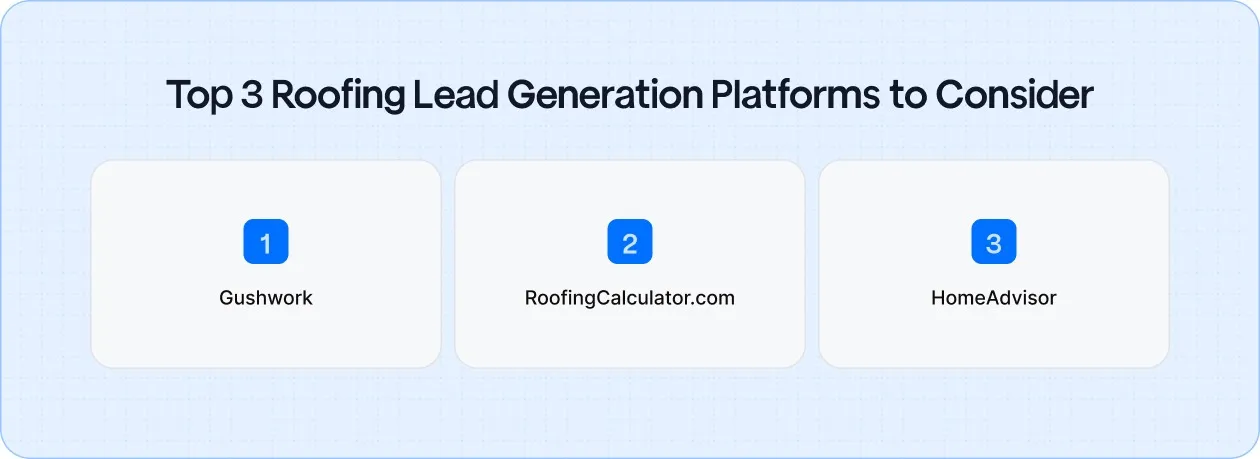
Once you’ve implemented your free and paid advertising strategies, the next step is to leverage the best lead generation platforms to scale your roofing business even further. Here are the top platforms you should consider to maximize your lead generation efforts:
1. Gushwork
When it comes to attracting qualified roofing leads, Gushwork stands out as a comprehensive, AI-powered platform that optimizes your SEO efforts and content strategy to drive organic traffic to your roofing business. Here’s how Gushwork can help you:
- AI-Driven SEO Optimization: Gushwork uses advanced AI algorithms to improve your website's SEO, ensuring that it ranks higher in local search results, making your roofing business more visible to potential customers in your area.
- Content Marketing Focus: It also improves content creation, helping you develop engaging blog posts, localized landing pages, and other content that resonates with your audience and brings in high-quality leads.
- Local Search Visibility: With Gushwork, your roofing business becomes an authority in your local area, attracting homeowners who are actively searching for your services, and improving your website’s ranking for location-specific keywords.
- Real-Time Analytics: Gushwork provides real-time performance tracking, helping you monitor your SEO efforts and fine-tune your strategy to generate better leads consistently.
Unlike other platforms, Gushwork helps you build long-term growth by enhancing your organic SEO strategy and making your roofing business more discoverable to the right audience.
Must Read: Roofing Companies Who Follow These PPC Steps See 3–5x More Qualified Calls
2. RoofingCalculator.com
RoofingCalculator.com specializes in generating high-quality, exclusive roofing leads for contractors. Homeowners actively seeking roofing services are connected directly with contractors through this platform.
- Exclusive Leads: You receive leads only from homeowners who are actively looking for roofing services, ensuring you spend your time on prospects who are more likely to convert.
- Immediate Quotes: The platform allows contractors to provide quick estimates, streamlining the process from lead generation to project bidding.
- Industry-Focused: RoofingCalculator.com focuses specifically on roofing, ensuring its leads are highly relevant and target the right customers.
3. HomeAdvisor
HomeAdvisor, previously known as Angie's List, offers a mixed model that combines paid and free leads, making it a versatile choice for roofing contractors. Here's why it’s worth considering:
- Paid and Free Leads: HomeAdvisor gives you the option to choose between paid leads for more immediate business or free leads for more sustainable growth.
- Verified Contractor Profiles: By getting verified on HomeAdvisor, you can increase your visibility, giving potential clients confidence that they are choosing a reputable contractor.
- Customer Reviews: The platform allows customers to leave ratings and reviews, helping build trust and credibility with new prospects.
Ready to scale your roofing lead generation with the right strategies?
Start with one of these top platforms today and supercharge your business growth.
Start Getting Leads
Turn These Tips Into Real Roofing Leads
Each step you take builds trust, visibility, and long-term momentum for your business. The key to success is consistency.
When your website is optimized, your content speaks directly to your customers’ needs, and follow-ups are automated for seamless engagement, that’s when your growth becomes not just possible, but predictable. Gushwork's AI-powered SEO solutions ensure your efforts align, creating a steady flow of roofing leads.
You handle the roofs, while experts help handle the reach.
Gushwork’s AI-powered content and SEO solutions help you attract the right customers and stay visible where it matters most.
Book a Free SEO Consultation

SEO
Nov 10, 2025
5 mins
The 8-Step Digital Marketing Formula for Contractors to Get Found, Win Jobs, and Scale
Ishani Mitra
In contracting businesses, delivering high-quality work is just part of the equation. The other half is making sure the right people know about your services, and that’s where digital marketing comes in.
A great reputation and flawless execution can go unnoticed if your business isn’t visible online. Digital marketing helps you stand out, attract the right leads, and build a reputation that keeps your phone ringing.
For contractors, the key is being present where potential clients are searching. With the right digital marketing strategies, you can grow your online presence, convert leads into clients, and build long-term business success.
In this blog, you’ll learn the key components of digital marketing and the mistakes many contractors make in it, and how you can avoid them to grow your business smarter and faster.
Why You, as a Contractor, Must Embrace Digital Marketing?
Clients go online first, search for someone nearby, check reviews, compare quotes. If your business isn’t visible where they’re looking, you’re missing out.
Here are clear reasons why digital marketing for contractors is important:
- You Get Found When People Are Actively Searching
Most customers now start online. If you only rely on referrals, you miss people searching for terms like “contractor in Ohio” or “home renovation California.” Local SEO puts you in front of buyers in your service area without wasting effort outside it.
- You Build Trust Before the First Call
A professional online presence, clear website, project photos, reviews, testimonials, makes new clients feel confident choosing you. Many competitors still ignore this, which gives you an instant credibility advantage.
- You Can Track What Works and Improve Fast
Digital marketing shows exactly where your leads come from, unlike flyers or print ads. When you see which pages, listings, or ads drive calls, you can invest more in what performs and cut what doesn’t. This makes your budget far more efficient.
- You Stay Ahead of Competitors as the Market Shifts
Homeowners expect to research contractors online. If you show up consistently with good reviews and proof of work while others don’t, you win more jobs. Digital strategies can grow with you, from SEO to ads to social content.
- You Open the Door to Better Opportunities
A strong online presence attracts higher-value projects, subcontracting opportunities, and even better hires. As you expand services or service areas, your digital footprint helps you grow faster.
Take the First Step Toward Digital Growth
Don’t wait for clients to find you! Ensure they can find you easily. Embrace SEO marketing and put your business on the map.
Learn More About SEO
By embracing digital marketing, you’re setting your contracting business up in a better position, with more qualified leads, better trust, and a stronger future.
How To Create a Digital Marketing Plan for Contractors?
According to a 2024 study, 57% of businesses with a strong online presence say their marketing efforts significantly impact sales, compared with fewer than 2% of those with weak or no online presence.
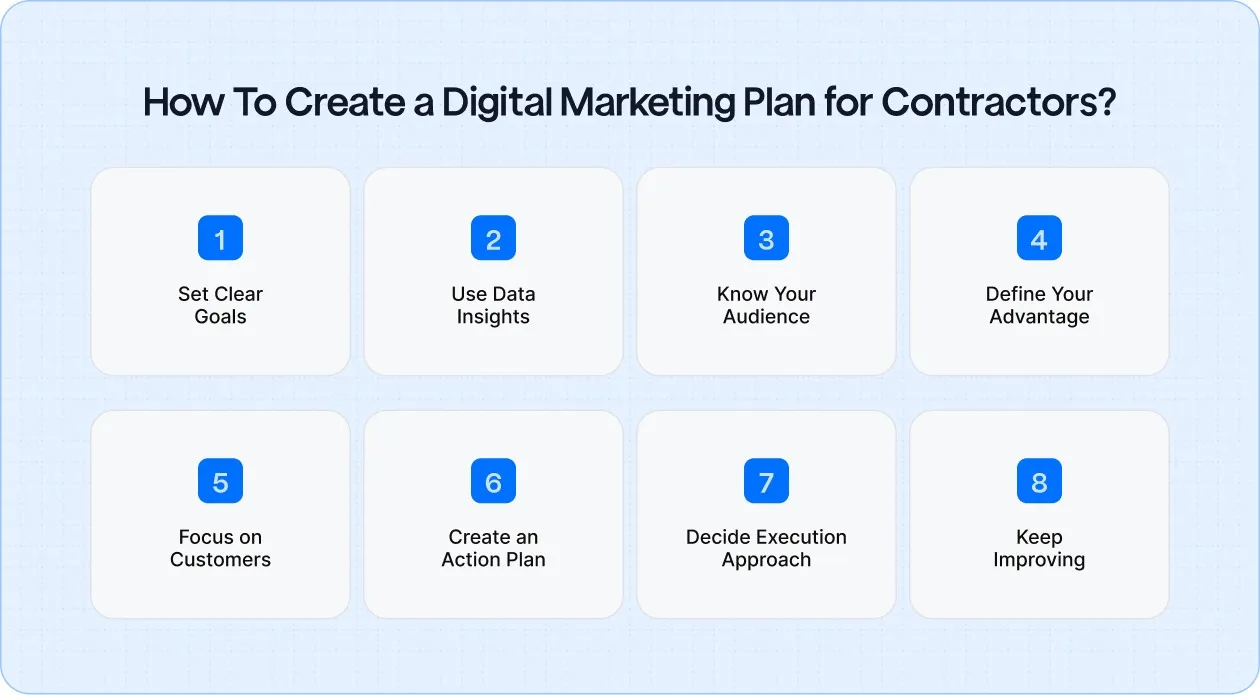
A strong digital marketing plan gives your business structure, direction, and clarity. Here’s how to build one, step by step:
1. Start With Clear, Purposeful Goals
Your marketing plan needs goals that actually mean something for your business. Goals give your strategy a destination and help you measure whether your efforts are working.
How to put this into action:
- Define what success looks like: Decide whether you want more qualified leads, stronger local visibility, more booked jobs, or better brand recognition.
- Set measurable targets: Instead of saying “increase traffic,” define a number or percentage you want to reach within a specific timeframe.
- Match goals to capacity: Make sure your goals align with the size of your team, available budget, and how much work your business can realistically handle.
- Prioritize the essentials: Focus on two or three core goals at first so your efforts stay tight and effective.
2. Use Data To Shape Your Path Forward
Data tells you what is already working, where you’re losing opportunities, and what needs attention first.
How to put this into action:
- Audit your current marketing: Review website traffic, search visibility, social engagement, and conversion rates.
- Identify gaps and bottlenecks: Look for pages with high traffic but low conversions, keywords you rank poorly for, or channels that aren’t contributing meaningful results.
- Benchmark against competitors: See where they appear in search, how often they publish content, and what kind of messaging they use.
- Turn insights into steps: Use your data to decide which strategies deserve investment and which ones need refining or replacing.
3. Understand Exactly Who You Want to Reach
Your digital marketing becomes far more effective when it's built around the people you want to attract. This is where clarity about your ideal customer matters.
How to put this into action:
- Build detailed buyer profiles: Include job role, industry, challenges, goals, budget constraints, and decision factors.
- Learn how they research: Identify the keywords they search for, the type of content they read, and the objections they commonly have.
- Document their buying journey: Map out the early-stage questions they ask, mid-stage comparisons they make, and final concerns that determine their decision.
- Shape messaging around their needs: Speak directly to their pain points and provide solutions that feel practical and easy to understand.
4. Define What Makes Your Business the Better Choice
Your positioning explains why someone should choose your business instead of a competitor. Strong positioning keeps your marketing consistent and persuasive.
How to put this into action:
- Identify your real strengths: Highlight the specific things you do better: faster service, quality workmanship, specialized expertise, or local presence.
- Connect strengths to customer value: Explain why your strengths matter and how they make life easier, safer, or more efficient for your customer.
- Clarify what you stand for: Your tone, messaging, and visual identity should reinforce the way you want to be perceived.
- Repeat it across every channel: Consistency builds recognition, trust, and credibility.
5. Build Strategies That Put Your Customer First
Your digital marketing should revolve around helping your ideal customer reach a decision comfortably and with clarity.
How to put this into action:
- Choose channels based on buyer behaviour: If your audience is searching online, focus on SEO. If they research visually, invest in strong content and social proof.
- Create content that solves real problems: Offer explanations, examples, comparisons, checklists, and guides that help them understand their options.
- Match content to their journey: Provide introductory content early, detailed content mid-journey, and decision-driving content when they’re close to choosing.
- Remove friction: Make it easy to contact you, request a quote, view pricing, or learn about services.
6. Turn Strategy Into a Clear, Actionable Plan
A strategy becomes useful only when translated into specific tasks, owners, and timelines.
How to put this into action:
- Create a simple execution calendar: Plan when content will be published, when ads will run, and when pages will be updated.
- Assign responsibilities: Decide who handles writing, design, optimization, social posts, and reporting.
- Set review checkpoints: Evaluate progress weekly or monthly so you can adjust quickly instead of losing momentum.
- Use tools to stay organized: Project boards, content calendars, and dashboards help you track everything in one place.
7. Choose Whether To Execute In-House or With Outside Help
Not every business can execute a full marketing plan internally. Choosing the right path saves time, stress, and unnecessary expense.
How to put this into action:
- Evaluate your team’s skills: Identify what you can realistically handle and what might require expertise.
- Understand the value of an agency: Agencies bring systems, experience, and speed, especially when you want consistent growth.
- Blend both approaches if needed: Many businesses handle basic tasks internally while outsourcing advanced SEO, design, or content.
- Prioritize long-term fit: Choose the option that keeps your plan consistent, not the one that only works for a month.
8. Maintain and Improve Your Marketing System Over Time
A marketing plan is never finished. It should evolve based on results, market changes, and customer feedback.
How to put this into action:
- Track performance consistently: Monitor traffic trends, keyword rankings, conversions, and engagement.
- Adjust strategies based on results: Double down on what works and replace what isn’t moving the needle.
- Stay adaptable: Industry trends, buyer behaviour, and platforms shift, your plan should evolve with them.
- Review goals quarterly: Make sure your plan continues to support your business direction and capacity.
Suggested read: Digital Marketing Problems Manufacturers Face (and How to Fix Them)
Key 12 Strategies of Digital Marketing for Contractors
Digital marketing is a powerful tool to grow your business, attract local clients, and stand out from the competition. But with so many aspects to manage, it can be overwhelming to know where to start.
The good news is, by focusing on a few key components, you can create a solid foundation for your digital marketing efforts that will deliver real results.
Below are the main building blocks you should focus on.
1. A Professional Website That Converts
Your website is your digital storefront. It needs to be:
- Easy to navigate on mobile and desktop.
- Showcasing your services clearly (e.g., “Electrical wiring”, “Bathroom renovation”), with dedicated pages.
- Featuring your portfolio: photos of past jobs, before/after pictures, client testimonials.
- Having clear contact info: phone number, form, address. Including a “Call now” button is critical because many users search on mobile.
Recommended read: Redesigning Your Manufacturing Website? Here’s How To Ensure It Becomes A Growth Engine
2. Local SEO & Your Google Business Profile
For contractors, local SEO is the most important. Here’s what to do:
- Create or claim your Google My Business (now Google Business Profile) listing and fill in all details: business name, address, phone, service area.
- Use keywords like “contractor in [region]” or “home renovation services in [region]” on your site and in your profile.
- Collect and display reviews: asking satisfied clients to leave reviews helps strengthen trust and ranking.
- Add high‑quality photos of work, your team, your office.
- Make sure your website and listings mention your service area, so Google knows your locality.
Get Found Locally with Google Business Profile
Stand out in local searches and attract more customers by optimizing your Google Business Profile today.
Claim and Optimize Your Profile Now
3. SEO (Search Engine Optimization)
Beyond local SEO, you’ll want your website pages to be optimized so you show up when people search for your services. Important elements include:
- Keyword research: find what clients are searching for (e.g., “roof replacement contractor Denver”).
- On‑page SEO: use those keywords in page titles, headings, meta descriptions, image alt tags.
- Off‑page SEO: build authority through quality links and testimonials.
- Link‑building/authority: Get relevant links from local business directories or partner sites (this helps SEO but is less urgent at the start).
4. Paid Advertising (PPC & Local Ads)
Since SEO takes time, you can use paid advertising to get faster results:
- Use Google Ads (Pay‑per‑click) targeting your service area with keywords like “book contractor near me”.
- Target your service area, pick keywords with intent (e.g., “hire electrical contractor Seattle”), and track your spend vs. leads to make sure you’re getting value.
- Use strong calls to action (CTA) in your ads: “Get Free Estimate”, “Schedule Today.” Make sure your landing page matches the ad promise.
- Be clear about your budget, target area, and measure cost per lead so you know what is working.
5. Multi-Channel Social Media Marketing
Contractors who grow fast today treat social media as a real business asset. Accounts like @contractors.of.insta and @justaconstructionguy prove it. They cracked the formula of showing real work, posting often, and staying visible where homeowners already spend time.
Here’s how you can apply the same approach:
- Share real project visuals: Post before-and-after photos, progress videos, and short clips of your team at work. This shows skill, quality, and professionalism in a way text never can.
- Stay active where your customers already are: Facebook and Instagram remain strong for homeowners, while YouTube is ideal for walkthroughs and tutorials. Pick channels that match your audience.
- Engage consistently: Respond to comments, answer questions, and interact with local community groups. Activity signals reliability.
- Use location tags and service-based hashtags: Tags like #ClevelandContractor or #KitchenRemodelSeattle help people in your region discover your work.
- Repurpose content across platforms: A project photo can become a Google Business Profile update, a Facebook post, and an Instagram reel. More reach with less effort.
6. Reviews & Reputation Management
Reviews matter a lot. With many contractors vying for work, clients check ratings and reviews before they hire. Make sure you ask satisfied clients to leave reviews on Google, Yelp, or other relevant platforms. You can:
- Ask past clients to leave reviews (Google, Facebook).
- Display testimonials on your website.
- Respond to any negative feedback promptly and professionally.
- Consistent good reviews improve trust and local search ranking.
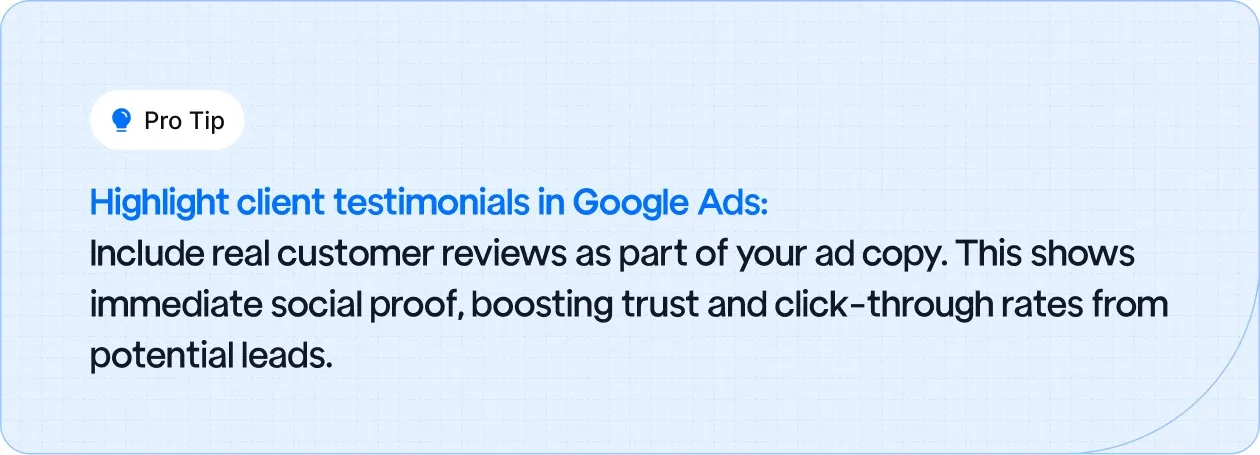
7. Analytics, Tracking & Continuous Improvement
- One of the big advantages of digital marketing is that you can track what’s working. Use tools like Google Analytics and phone‑call tracking to understand where leads are coming from and which campaigns are delivering results.
- Review your data regularly (monthly at minimum): what keywords led to calls, which service pages convert best, which ads are costing too much.
- Based on what you learn, adjust your strategy: update keywords, tweak ads, improve page design, or focus more on the service categories that deliver the best ROI.
8. Consistent Content & Engagement
- Regular content helps maintain a strong presence. This includes blog posts, social media updates, email newsletters, and project highlight posts.
- Engagement means responding to comments, answering questions, being active on social media, showing behind‑the‑scenes of your work. This builds a connection with your target audience and nurtures trust.
9. Email Marketing
Email is one of the most reliable channels for contractors because it keeps your business in front of homeowners who may not be ready today but will need you later.
What to focus on:
- Build a simple email list: Add email capture forms on your website, estimate pages, and project galleries. Offer something valuable like a maintenance checklist or seasonal reminders.
- Send useful updates: Share tips, project highlights, promotions, and reminders about seasonal work (roof inspections, HVAC tune-ups, drainage checks).
- Segment your audience: Send different emails to past customers, new leads, and high-value prospects for more personalized communication.
- Automate follow-ups: Set up automated flows for quote follow-ups, post-project check-ins, and review requests.
Email marketing helps contractors stay top-of-mind, build trust between projects, and increase repeat business with very little cost.
10. Advanced Technology and Automation
Contractors often lose leads because of slow responses, missed follow-ups, or scattered communication. Automation tools help you stay organized and respond faster.
What to focus on:
- Automated lead responses: Use tools that send instant replies when someone fills out your website form or calls after hours.
- Appointment scheduling tools: Let customers book estimates directly using automated calendars.
- Project updates: Automate status updates to customers for transparency and professionalism.
- Review requests: Trigger automatic review requests after completing a job to grow your ratings without manual effort.
11. Must-Have Marketing Tools for Contractors
Good digital marketing for contractors needs the right tools behind it. These tools help you manage your website, track leads, measure performance, and improve your online visibility.
Tools worth using:
- Google Analytics: Tracks website traffic, conversions, and engagement.
- Google Search Console: Shows search rankings, keywords, and site errors.
- CRM platforms (HubSpot, Housecall Pro): Manage leads, estimates, and customer communication.
- Email tools (Mailchimp, Klaviyo): Create automated email sequences and newsletters.
- Social media schedulers: Keep your posts consistent without manual effort.
12. The KPIs Every Contractor Should Track
Knowing your numbers ensures you don’t waste money on the wrong strategies. KPIs show which efforts bring real leads and which ones need improvement.
Important KPIs to monitor:
- Cost per lead (CPL): How much you pay to get each inquiry from ads or marketing efforts.
- Lead-to-booking rate: How many leads turn into scheduled estimates.
- Organic traffic: How many visitors reach your site through Google search.
- Local rankings: Where your Google Business Profile appears in the map pack for key services.
- Conversion rate: What percentage of visitors call, fill out forms, or request estimates.
- Email engagement: Open rates, click-through rates, and responses.
- Return customer rate: How many clients hire you again for additional work.
Tracking KPIs helps you invest in strategies that produce real revenue and cut the ones that drain your budget.
While implementing these components is crucial, it’s equally important to avoid common digital marketing mistakes that can slow down your progress.
Also read: 16 Digital Strategies That Separate Growing Manufacturers From The Old-School Pack
Final Thoughts
Gone are the days when a simple sign on the side of the road or a business card handed out at the local coffee shop was enough. Now, your future clients are online, searching for help with their next big project.
But don’t worry, getting it right doesn’t have to be complicated. Digital marketing doesn’t just help you get more work; it helps you build trust, show off your skills, and connect with clients who need your expertise.
Your next client is out there searching right now. Let’s make sure they find you. Contact us today!
Ready to Stand Out in a Digital World?
Digital marketing helps you connect with clients, showcase your expertise, and grow your business. It's time to make sure you're not invisible.
Start Your Digital Marketing Journey Now

SEO
Nov 10, 2025
5 mins
Master Construction Industry Marketing to Win More Projects
Batul Beawarwala
A construction business runs on trust, expertise, and the ability to execute flawlessly, values that must be communicated to the right audience. The secret is that marketing attracts attention and builds a reputation that turns fleeting interest into long-term success.
The most effective strategies tell a story of who you are, why you stand out, and how you turn one-time projects into ongoing partnerships.
For construction companies, it’s essential to become the first choice for clients who are ready to invest in a partner they can trust. With the right marketing, your business is remembered, respected, and sought after. Keep reading to learn how the best marketing strategies can make this happen for you.
How Construction Marketing Drives Success with a Simple Framework
Effective marketing requires a mix of branding, digital visibility, and relationship-building, all aimed at making your company the trusted choice in a competitive market.
When marketing to B2B clients like general contractors, developers, or public agencies, your focus is on proving your ability to handle large-scale, high-stakes projects. For B2C clients, such as homeowners or remodelers, the key lies in building personal trust and demonstrating the value of your craftsmanship.
The Construction Marketing Funnel is a simple yet powerful way to map out the client journey:
- Awareness: This is when potential clients first hear about your company, through ads, social media, or word-of-mouth.
- Consideration: At this stage, clients start exploring your services, reading testimonials, and reviewing past projects to see if you're the right fit for their needs.
- Bid/Proposal: Clients request a quote or proposal, signaling their serious interest. This is your opportunity to show why you're the best choice for the job.
- Awarded Project: If you win the bid, it’s time to execute. Delivering quality results here is essential.
- Repeat & Referral: After a successful project, satisfied clients are likely to return for more work or refer you to others.
While this funnel may seem straightforward, executing it effectively requires expertise. At every stage, there’s an opportunity to build trust, prove your value, and differentiate your company from competitors.
As one contractor on Reddit shared, ‘I spent over $7,000 on marketing and didn’t land a single job.’ This experience is not uncommon for many in the construction industry.
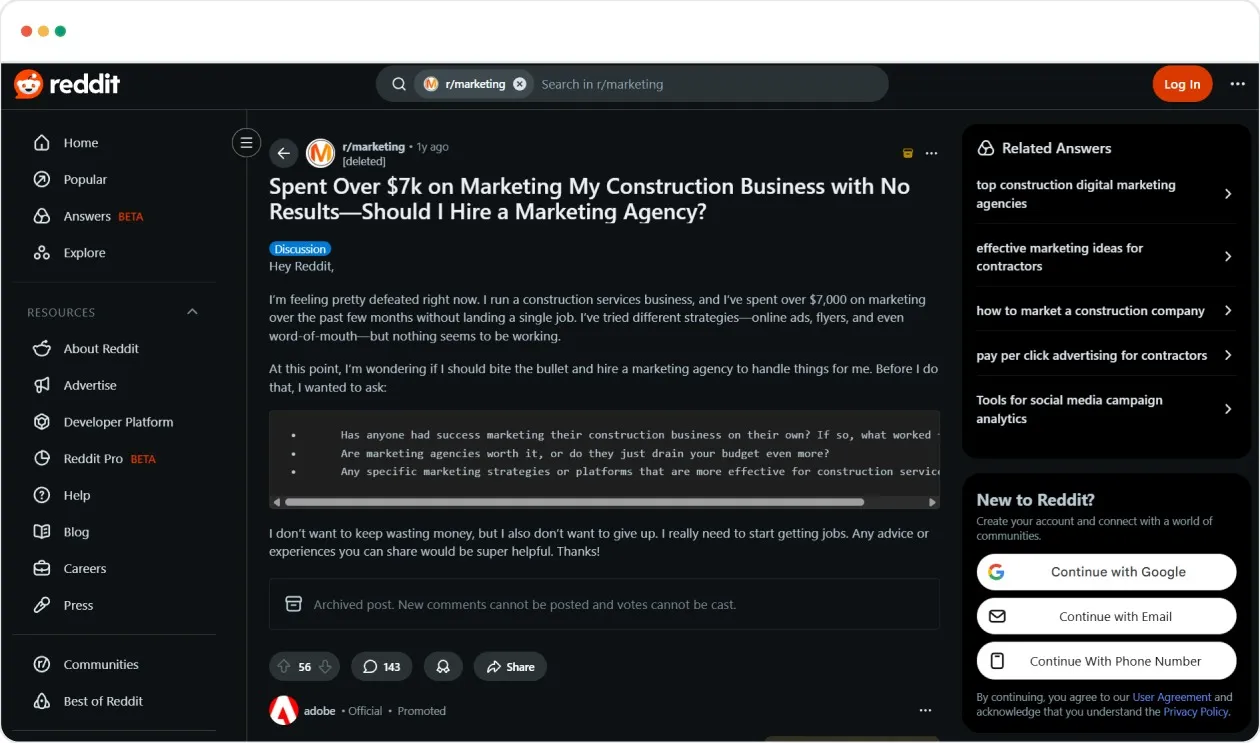
Without a strategic approach, marketing efforts often fail to convert into tangible results. The key is to fine-tune your content and SEO strategy to make sure your efforts hit the right target, every time.
Want to create content that attracts and converts? Let’s get started.
Learn how optimized content and SEO strategies can make your construction business more visible online.
Boost Your content and SEO
13 Best Construction Industry Marketing Strategies
Marketing your construction business is about creating a strategic approach that builds trust, attracts the right clients, and sets you apart from competitors.
Here are 13 expert-level strategies that will transform the way you approach marketing and help you win more projects, build lasting relationships, and establish your company as a leader in the field.
1. Define a Clear Niche and Ideal Client Profile (ICP)
Your business grows when you know exactly who you're serving. Residential, commercial, industrial, or public infrastructure; these are entire worlds of distinct needs and challenges. Trying to be everything to everyone dilutes your message and weakens your brand.
- Map out who writes the checks, owners, facility managers, developers, or property managers, and shape your messaging accordingly.
- Align your case studies, projects, and testimonials to directly speak to these groups.
When your niche is clear, your marketing follows suit, leading to stronger, more targeted client relationships.
2. Build a Brand That Clearly Sets You Apart
Your brand is the foundation of everything you do. It’s about your company’s reputation, values, and what sets you apart from every other contractor in the market.
- Clarify your positioning: safety, speed, sustainability, complex builds, or design-build.
- Standardize visuals across all touchpoints: trucks, PPE, proposals, and social media.
- Showcase your proof assets: certifications, awards, and years of experience.
Building a strong, differentiated brand is a strategic move that requires expert execution.
3. Turn Your Website into a Lead-Generating Asset
Your website needs to be a powerful tool that generates leads while showcasing your expertise.
- Include must-have pages: Home, Services, Sectors/Industries, Projects/Portfolio, Testimonials, and Contact.
- Use clear, actionable CTAs: “Request a Bid,” “Book a Site Visit,” or “Send Leads.”
- Showcase specific projects with location, budget range, and outcomes to attract similar jobs.
A well-optimized website requires ongoing attention to make sure it stays relevant and high-converting.
4. Invest in SEO and Local SEO for “Near Me” Searches
SEO is essential for construction companies looking to stay visible. You need to show up when potential clients type in "construction company near me."

- Optimize for local keywords like “commercial construction company [city]” and service-specific terms.
- Create location-specific pages for each major area or service line you offer.
- Keep your Google Business Profile up to date with photos, posts, and Q&A.
Getting SEO right is a commitment to improving your digital footprint every day.
5. Build a Reviews & Reputation Engine
In construction, your reputation can make or break you. To attract more clients, you need to showcase the great work you’ve already done.

However, a good reputation and positive reviews solve most of these challenges, as more people are eager to work with someone who is trusted and highly recommended.
- Systematize review requests after key project milestones or completion.
- Showcase reviews on your website, Google profile, LinkedIn, and proposal decks.
- Respond to all reviews, even negative ones, professionally and with care.
Building a strong online reputation takes time and consistency; it's a process that requires ongoing attention.
6. Use Content and Case Studies to Prove Expertise
Content is a way to demonstrate your expertise. In the construction industry, it’s about providing value that resonates with your target clients.
- Publish blogs, project spotlights, and explainer guides that answer common client questions.
- Create detailed case studies with the challenge → approach → timeline → outcome → client quote.
- Repurpose content into downloadable PDFs or proposals to generate leads.
Great content requires strategy and expertise in both creation and distribution.
7. Use Social Media for Visual Storytelling
Social media is a powerful tool for showing what you do best. It’s for building a story that clients can connect with.
- Focus on LinkedIn for B2B and Instagram/Facebook for visual trust and local recognition.
- Post before/after photos, time-lapse builds, safety culture, and team highlights.
- Use employee advocacy by encouraging your team to share posts, creating a more authentic connection with potential clients.
Visual storytelling takes careful thought, planning, and execution.
8. Run Targeted Ads Where Your Buyers Actually Are
Paid ads are an investment in visibility. Targeted advertising ensures that your message reaches the right audience at the right time.
- Use Google Ads and Local Services Ads for high-intent searches (“concrete contractor near me”).
- Run geo-targeted ads on Meta/LinkedIn by city, industry, or job title.
- Track clicks to calls or forms using call tracking numbers and UTM tags.
9. Nurture Leads with Email and Proposal Follow-Ups
Leads don’t always convert right away, and that’s where nurturing comes in. By staying top of mind, you increase the chances of turning a cold lead into a loyal client.
- Build segmented email lists for past clients, cold bids, warm prospects, and partners.
- Send updates on project wins, new capabilities, and safety record milestones.
- Set up automated follow-up sequences for quotes, leads, and proposals that have gone quiet.
Nurturing is about building a relationship through thoughtful, consistent communication.
10. Build Strategic Partnerships and Referral Networks
Great marketing is about relationships, and some of the best opportunities come from strategic partnerships and referrals.
- Partner with architects, engineers, and property managers for mutual referrals.
- Formalize referral incentives or co-marketing efforts like webinars and joint case studies.
- Maintain a “top 20” partner list and keep regular touchpoints.
Networking is about nurturing relationships that can lead to meaningful business growth.
11. Show Up Where Your Buyers Go: Trade Shows & Local Events
Trade shows and local events provide invaluable opportunities to meet face-to-face with your target clients and showcase your expertise.
- Attend or exhibit at relevant trade shows, expos, and local business chambers.
- Speak on panels about key topics like safety, sustainability, or complex projects.
- Capture leads with QR codes/forms, and follow up within 48 hours.
In-person marketing requires preparation, authenticity, and the ability to engage potential clients on the spot.
12. Use Technology: CRM, Marketing Automation & Simple Analytics
Technology makes marketing more efficient, but it also adds clarity and organization to your efforts. Without the right tools, you risk missing out on valuable opportunities.
- Implement a CRM to track leads from first contact to signed contract.
- Tag leads by source (Google, referral, event) to understand what works.
- Use dashboards to monitor inquiries, proposal volume, win rate, and revenue by channel.
A CRM and simple analytics tools give you the insights you need to improve your marketing strategy continually.
13. Lean into Sustainability and Innovation as a Marketing Edge
In a competitive industry, innovation and sustainability can set you apart. Clients increasingly look for contractors who prioritize eco-friendly practices and innovative technologies.
- Highlight eco-friendly builds, LEED (Leadership in Energy and Environmental Design) projects, and energy-efficient materials.
- Showcase the use of technologies like BIM, drones, and prefabrication.
- Link these innovations to outcomes such as fewer change orders, faster timelines, and cost predictability.
Sustainability is a competitive advantage that requires genuine expertise to implement effectively.
How to Prioritize and Build Your Construction Marketing Plan
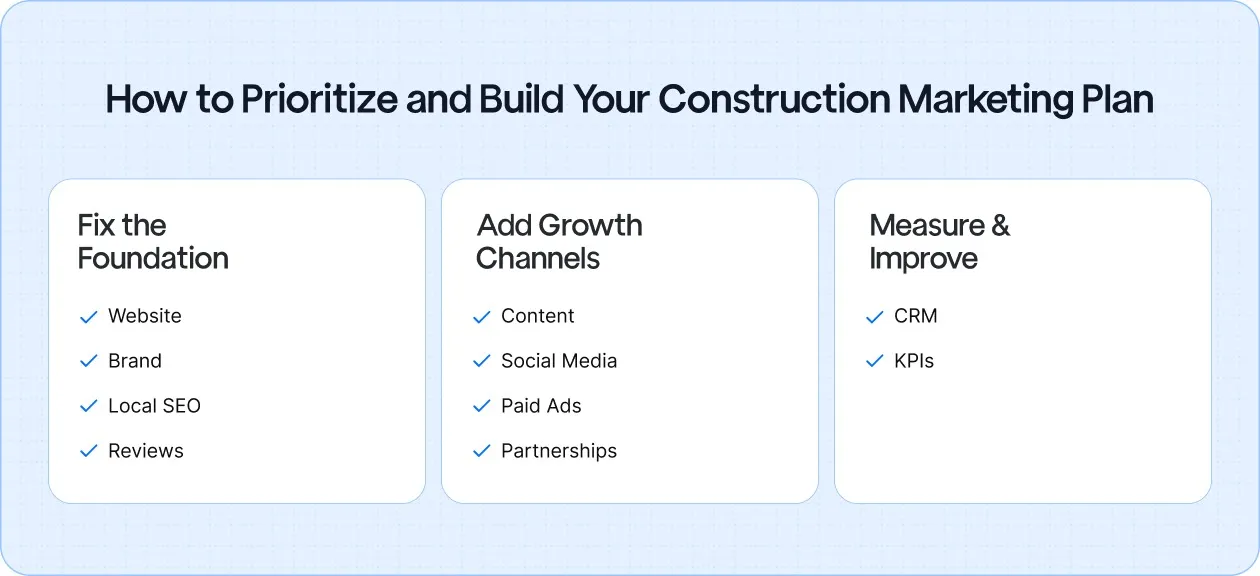
Building a successful marketing plan for your construction business is about focusing on the essentials that will deliver lasting results. Consider you’ve laid the foundation of a solid structure, but if you don’t pay attention to the next steps, that structure will crumble.
The same goes for your marketing plan. Here's how to build it step by step:
1. Fix the Foundation
Before you can even think about growth, your business needs a strong foundation. This is the core of your marketing strategy, the elements that will carry your message and make you stand out in a competitive market.
- Website: It’s your 24/7 salesperson. Ensure it's clear, user-friendly, and highlights your expertise with strong CTAs.
- Brand: Your brand tells the story of who you are. It’s about conveying trust, reliability, and quality in everything you do, from your truck to your website.
- Local SEO: Clients need to find you when they search "construction company near me." Focus on local SEO to ensure you’re visible and relevant.
- Reviews: Your reputation is your most valuable asset. Positive reviews act as powerful testimonials, but you need a system to gather and showcase them.
Getting these elements right requires careful planning and execution. It’s not something that needs ongoing attention.
2. Add Growth Channels
Once your foundation is set, it’s time to scale. The next step is about expanding your reach and connecting with clients at every stage of their journey.
- Content: Publish valuable, relevant content that speaks to your target audience’s pain points. Blogs, case studies, and project spotlights position you as the go-to expert.
- Social Media: Social media is an essential tool for engaging clients and building trust, with LinkedIn helping you connect with businesses and Instagram showcasing your work visually.
- Paid Ads: Google Ads and local campaigns target high-intent clients ready to hire a construction professional. Make sure your ads speak directly to their needs.
- Partnerships: Build relationships with key players in your industry, such as architects, engineers, and real estate agents, to get referrals and joint marketing opportunities.
These channels are powerful, but to be truly effective, they need to be managed carefully by someone who understands how to leverage each one for maximum impact. Trying to juggle them on your own can quickly become overwhelming.
3. Measure & Improve
You can’t improve what you don’t measure. The final step is about tracking your results, learning from them, and optimizing as you go.
- CRM: Use a Customer Relationship Management tool to track leads, manage proposals, and ensure no potential project falls through the cracks.
- KPIs: Track metrics like leads per month, proposal volume, and win rate to gauge the effectiveness of your marketing.
Regularly reviewing these metrics will help you understand what’s working and what isn’t. Optimization is a continuous process that requires attention to detail.
Building a marketing plan is an ongoing project, and it’s best done by someone who understands the nuances of the construction industry and digital marketing.
Great content and SEO build connections with the right clients.
Fine-tune your content and optimize for search to stand out in a competitive market.
Know Your Winning Strategy
Measuring What Matters: KPIs for Construction Industry Marketing
Your marketing efforts are an investment, and like any investment, it’s essential to measure the return. Without the right metrics, it’s easy to lose track of what’s working and what’s not.
KPIs (Key Performance Indicators) help you see where your marketing stands, providing clarity on how each tactic is performing and guiding you toward more profitable decisions.
The Core Metrics that Tell Your Story
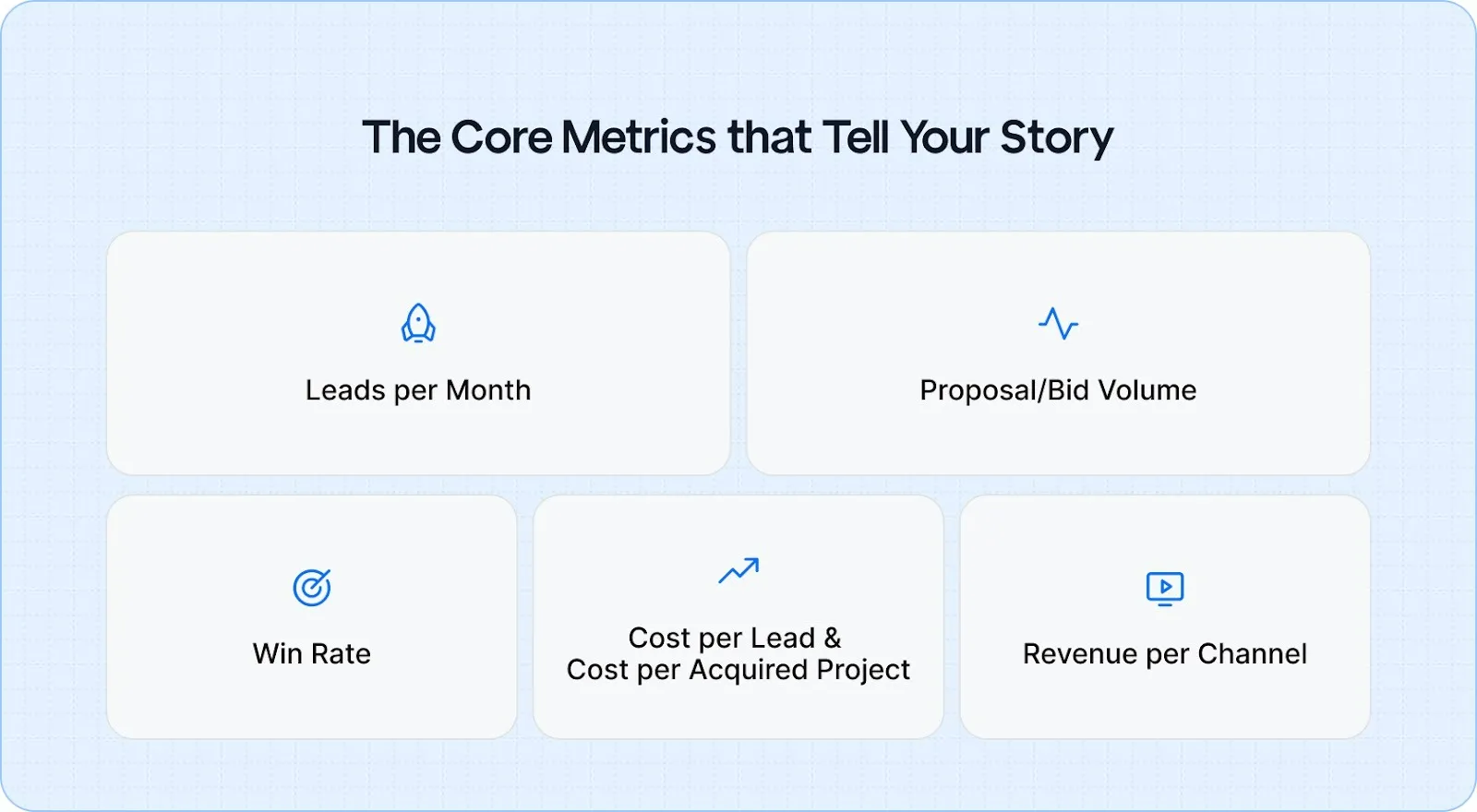
To understand if your marketing is effective, focus on the metrics that matter most:
- Leads per Month (by Channel): This measures how many potential clients are reaching out to your business, broken down by the marketing channels you’re using. Identifying which channels are generating the most leads helps you focus on what’s working.
- Proposal/Bid Volume: This shows how many projects you’re bidding on. A healthy bid volume indicates a strong pipeline, but keep in mind that quality matters more than quantity.
- Win Rate (%): Of all the bids you submit, how many actually turn into projects? This percentage reveals how successful your bids are and where you may need to improve your pitch or approach.
- Cost per Lead & Cost per Acquired Project: These numbers show how much you’re spending to bring in each lead and secure each project. If these costs are too high, it’s a sign that you need to adjust your strategy to improve efficiency.
- Revenue per Channel: This tracks the revenue each marketing channel generates, allowing you to focus your efforts on the platforms that drive the most profit.
The Formula for Marketing ROI
To get a clear picture of how well your marketing is working, calculate your Marketing ROI. This formula shows how much profit you’re earning for every dollar spent on marketing:
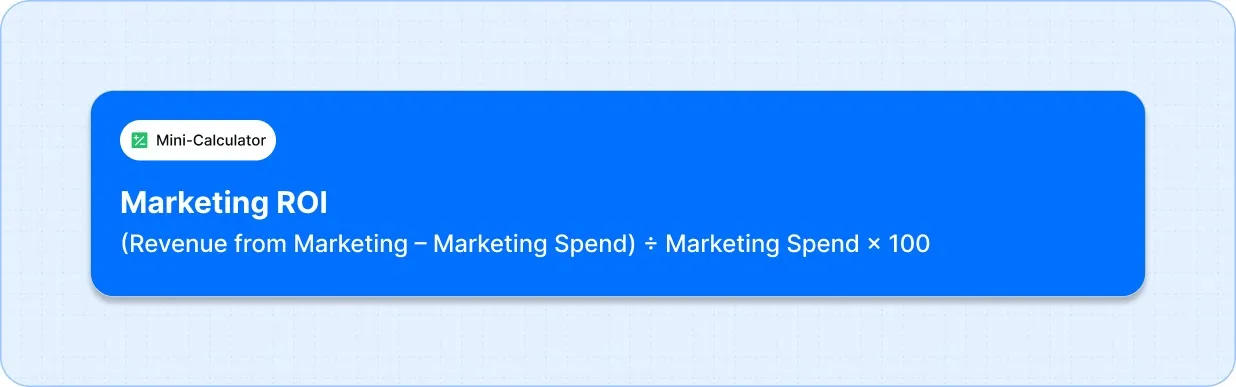
A high ROI means your efforts are paying off. A low ROI signals it’s time to reassess and optimize.
The Importance of Regular Reviews
It’s easy to get caught up in the day-to-day, but regularly reviewing your KPIs ensures your strategy stays on track. Every quarter, take the time to evaluate how your marketing is performing:
- Which channels are driving the most value?
- Are your proposals converting at the rate you expect?
- Are certain tactics draining your budget without delivering results?
This process of pruning, cutting back on what’s not working, ensures your marketing dollars are spent wisely, and your strategy evolves to meet your business goals.
Tracking KPIs is about understanding what drives your success.
By measuring the right metrics and refining your approach, you can continuously improve your marketing strategy.
Measure Your Marketing Success
Building a Lasting Legacy with the Right Marketing Strategy
As a creator of spaces, your work speaks for itself. But in today’s competitive market, how you tell that story matters just as much. Your marketing is about building relationships, earning trust, and ensuring your brand is seen as synonymous with quality and reliability.
A compelling website, a strategic social media presence, and client referrals all play a role in shaping how potential clients perceive you.
By weaving these strategies into your day-to-day efforts, you’re building a legacy. A legacy that endures because your name becomes associated with innovation, excellence, and a commitment to delivering results. Consistency in your marketing efforts secures your place as a trusted partner for years to come.
In a competitive construction market, your marketing should do more than just attract attention.
It should build trust, drive engagement, and position your business for long-term success.
Book a Free Consultation
FAQs
Q1: What are the best marketing strategies for the construction industry?
A1: The best marketing strategies for the construction industry include defining a clear niche, building a strong brand, optimizing your website for lead generation, and leveraging SEO. Additionally, focusing on case studies, social media engagement, and building strategic partnerships can help elevate your brand and attract more clients.
Q2: How can I get more clients for my construction business?
A2: To get more clients, focus on building strong relationships, optimizing your website for SEO, leveraging social media to showcase past projects, and asking for client referrals. Participating in trade shows and partnering with other industry professionals can also expand your reach and generate new leads.
Q3: What role does SEO play in construction marketing?
A3: SEO is crucial for increasing online visibility and driving traffic to your website. By optimizing for relevant local keywords and building location-specific landing pages, your construction business can appear at the top of search results, attracting more potential clients who are actively searching for your services.
Q4: How do I build a strong brand for my construction business?
A4: Building a strong brand involves clarifying your business values, consistently communicating your unique selling points (USPs), and presenting a professional image across all touchpoints. This includes your website, social media, proposals, and signage. Highlight your achievements, certifications, and successful projects to build trust and credibility.
Q5: Is content marketing effective for construction companies?
A5: Yes, content marketing is highly effective for construction companies. By creating valuable content, such as blogs, case studies, and project showcases, you can position yourself as an expert, engage potential clients, and improve your SEO rankings. It helps build trust and attracts quality leads to your business.
Q6: How important are reviews and testimonials in construction marketing?
A6: Reviews and testimonials are extremely important in construction marketing. Positive feedback from past clients serves as powerful social proof and builds trust with potential clients. Systematizing review requests and showcasing them on your website, social media, and proposals can significantly impact your ability to win new projects.
Q7: What is the best way to measure the success of my construction marketing efforts?
A7: The success of construction marketing can be measured by tracking key performance indicators (KPIs) such as leads per month, proposal volume, win rate, cost per lead, and revenue per channel. Regularly reviewing these metrics will help you refine your strategy and ensure you're focusing on the most effective marketing tactics.

SEO
Nov 10, 2025
5 mins
Get Noticed or Get Overlooked: The Ultimate SEO Guide for Contractors
Batul Beawarwala
When you're focused on delivering quality work and running your business, getting noticed online can often take a backseat. But with so many people searching for services like yours, your business must show up when it matters most.
Contractor SEO helps solve this problem. It’s the practice of optimizing your website to rank higher on search engines, making it easier for local clients to find you. By improving your online visibility, SEO ensures you connect with the people who need your services.
This guide will take you through the essential steps of contractor SEO, helping you reach more clients and grow your business effectively.
What Exactly Is Contractor SEO?
Getting noticed online is crucial for growing your business, and that’s where contractor SEO plays a big role. Contractor SEO is a strategy that helps your website appear when people search for services like yours. Make sure your business is visible and easy to find.
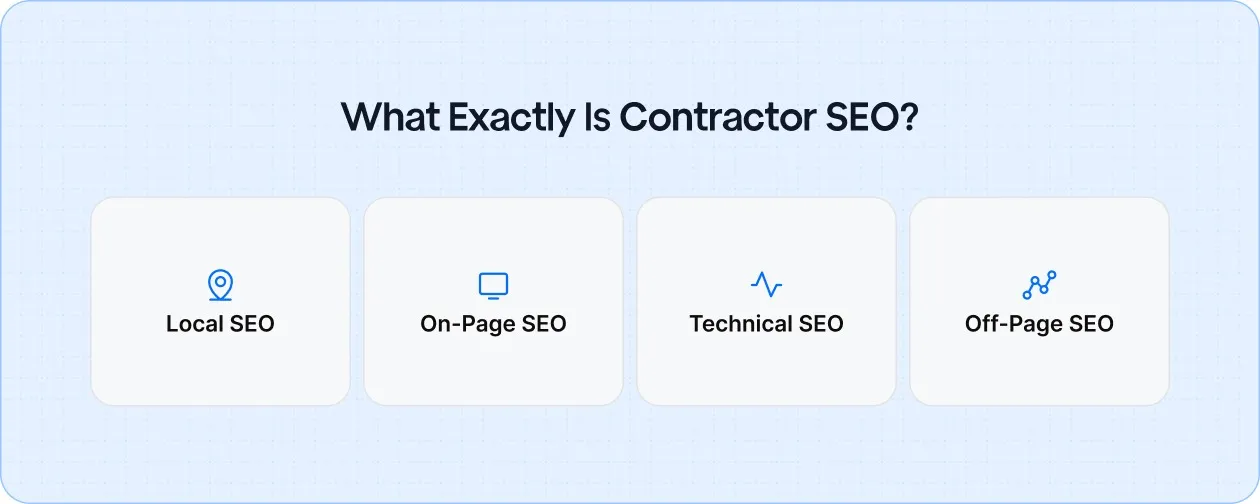
Here’s a breakdown of how it works:
- Local SEO: This helps your business show up in search results when people nearby are looking for services. It’s like putting a sign outside your store, but online, so people in your area can easily find you.
- On-Page SEO: Optimize your website's content, making sure it matches what people are searching for. If someone is looking for "plumbing services in Boston," having those exact words on your site increases the chances of them finding you.
- Technical SEO: This is the behind-the-scenes work to ensure your website is fast, secure, and easy to navigate. Search engines prioritize sites that are user-friendly, so a smooth experience is crucial.
- Off-Page SEO: This helps build your business's reputation and trust. It’s about getting other websites to link to yours, which shows search engines that your business is credible and worth showing up in results.
How Can SEO Help Your Contractor Business Stand Out
When it comes to growing your contractor business, getting noticed online is as important as delivering excellent service.
But how can you ensure potential clients find you when they search for services like yours? Here’s how SEO can make a real difference for your business:
- Brand Visibility: SEO helps put your business in front of the people who need it most. When potential clients search for services in your area, SEO ensures that you show up in the search results, giving you the visibility you deserve.
- Competitive Advantage: With a strong SEO strategy, you stand out at the top of search results, where potential clients are most likely to click first.
- Lead Generation: SEO helps turn visitors into leads by making sure your website is optimized to meet their needs. When your site is easy to find and offers helpful information, clients are more likely to reach out.
Must Read: 15 Contractor Marketing Strategies That Actually Bring You More Clients
1. Increase Your Visibility with Local Contractor SEO
Local SEO is one of the most powerful ways to ensure your business is visible when potential clients near you are searching for services.
Make sure your business appears at the top of search results for local queries, such as “contractor near me” or “plumber in Chicago.”
Here's how to master local SEO:
- Claim and Optimize Google Business Profile: A strong Google Business Profile is essential for local SEO. It improves your local visibility, making it easier for clients in your area to find and contact you.
Ensure all details are accurate and up-to-date, and encourage clients to leave reviews.
- Optimize Apple Business Connect: When optimizing for local searches, don’t forget Apple Business Connect, particularly in areas where Apple Maps is frequently used.
Ensure your Apple listing is just as complete and optimized as your Google Business Profile. Together, these two platforms will significantly improve your local search visibility.
- Local Listings and Directories: Get listed on local directories like Yelp, Angi, and others. These platforms increase your credibility and help you reach more potential customers in your area.
- Local Link Building: One of the best ways to improve your local SEO is through local link building. By gaining backlinks from respected local sources like local business directories, industry organizations, or local news outlets, you increase your authority in the area.
This tells search engines that your business is credible and relevant, improving your local rankings.
Want to get the most out of your local SEO efforts?
Use a platform that helps simplify local SEO tasks, ensuring the right clients see you in your area.
Start Local SEO Now
2. Optimize Your Contractor Website with SEO Best Practices
When potential clients visit your website, do they find what they’re looking for easily? Or do they leave frustrated, unable to navigate or find relevant information? To turn visitors into clients, your website needs to be optimized for both search engines and users.
Here’s how to ensure your site is ready to convert:
- Keyword Research: Find the right keywords for your services and location. These keywords help search engines understand what you offer and connect you with potential clients.
- Service and Location Pages: Create dedicated pages for each service and location you serve. This makes it easier for clients to find exactly what they need, “roofing service in New York” or “bathroom remodeling.”
Meta Tags, Headers, and Titles: Optimize your meta tags, headers, and titles with targeted keywords to help search engines rank your pages higher and make it clear what each page is about.
3. Improve Website Speed, Security, and Mobile Optimization for SEO
Website performance is a crucial aspect of technical SEO. A slow, insecure, or difficult-to-use website can drive potential clients away, even if you have the right keywords. Here’s how to make sure your website is ready to impress:
- Website Speed: Fast websites improve SEO and provide a better user experience. Slow-loading sites can cause visitors to leave before they even see your services.
- Mobile Optimization: More people are searching on mobile devices than ever before. Ensure your website is mobile-friendly so it’s easy to navigate on any device.
- Secure Website (HTTPS): Having an SSL certificate (making your website “HTTPS”) builds trust with users and search engines. It’s essential for security and SEO.
- Voice Search: With the rise of voice search, especially on mobile devices, make sure your website’s content is conversational and answers questions directly. Optimizing for voice search is an important step in improving your overall SEO for contractors.
- Schema Markup for Contractors: Another key technical aspect is adding schema markup to your website. This special code helps search engines understand your business better and display more information in search results, like reviews, business hours, and service areas. This is especially important for contractors because it:
- Clarifies services: It helps search engines understand the services you offer, such as "roof repair" or "bathroom remodeling."
- Improves visibility: Adds extra details like customer reviews, which can make your business stand out in search results.
- Enhances local SEO: Schema also helps define your service area, increasing your visibility to nearby clients who are actively searching for contractors.
Not sure if your website is fully optimized?
Let an expert help you make improvements that improve your search rankings and get you to the top of Google.
Request an SEO Audit
4. Build Authority with Backlinks and Reviews for SEO
As a contractor, your reputation is everything. How do you show potential clients that you're reliable, experienced, and the best choice for the job? Building trust and authority online is a key part of this process. Here's how to make it happen:
- Backlink Strategy: Backlinks are recommendations from other reputable websites. When other trusted sites link to yours, it signals to search engines that your business is credible and valuable.
This improves your rankings and enhances your authority in your field. The more quality backlinks you have, the stronger your site’s authority becomes.
- Social Proof and Reviews: Customer reviews are one of the most powerful ways to build trust online. Positive feedback from happy clients shows potential customers that you deliver on your promises.
These reviews improve your reputation and help you rank higher in search results, making it easier for new clients to find you.
- User-Generated Content (UGC): Incorporating user-generated content, such as authentic client testimonials and project photos, helps build trust with potential clients and improves your SEO.
Reviews on your Google Business Profile and other local platforms show that real clients trust you and your work.
Need help with your backlink and content strategy?
Partner with SEO experts who will help you optimize content and build backlinks effectively.
Build Trust with SEO
5. Engage and Educate Clients with SEO-Driven Content Marketing
One of the best ways to attract new clients and build trust is by showcasing your expertise through content. Add value by answering the questions potential clients are searching for. Here’s how content marketing can help you stand out:
- Blogging and FAQs: Regularly publishing helpful blog posts or answering frequently asked questions allows you to address your clients' concerns.
By offering valuable insights, you establish yourself as an authority in your field, making it easier for clients to trust you with their projects.
Video Content: Videos are a powerful way to connect with clients. Showcasing your work on a project, sharing client testimonials, and explaining your process through video helps potential customers see your expertise in action.
Find it challenging to create content that drives SEO results?
Work with an AI-driven platform that guides you in content creation, ensuring it’s SEO-optimized and lead-focused.
Create Engaging Content
6. Track and Analyze Your Contractor SEO Success
Once you've implemented your SEO strategy, it's important to track how well it's working. You can't improve what you can't measure, so here’s how to monitor your progress and adjust your approach:
- Google Analytics: Google Analytics gives you detailed insights into your website's performance. You can track how much traffic you're getting, which pages are the most popular, how visitors are interacting with your site, and if they’re converting into leads or clients.
- Keyword Ranking Tools: Using tools like Semrush or Ahrefs, you can track your keyword rankings and see where you stand in search results. This allows you to identify areas for improvement and tweak your strategy accordingly.
- Local Insights from GBP: Your Google Business Profile (GBP) offers valuable local insights, including how many people found your listing, called your business, or visited your website through Google Search and Maps. This data helps you understand how well your local SEO efforts are performing.
Must Read: Why Contractors Can't Afford to Ignore Digital Marketing Anymore?
7. Decide Between DIY SEO or Hiring an Expert for Your Business
When it comes to SEO, there are two main paths you can take: doing it yourself or partnering with a platform that specializes in streamlining the process.
Both options have their advantages, depending on your goals and the time you can invest. Here’s a breakdown:
- DIY SEO: If you have the time and the know-how, DIY SEO can be a cost-effective way to improve your online visibility. You can handle things like keyword research, optimizing your website, and building local listings on your own. However, it’s a time-consuming process that requires ongoing effort and attention to detail.
- Partnering with a Platform: Partnering with a platform like Gushwork enables you to simplify your SEO tasks, freeing you up to focus on other key aspects of your business.
The platform enhances your website’s visibility using AI-driven tools, ensuring you reach the right audience at the right time.
With Gushwork’s intuitive leadership dashboards, you can monitor your SEO performance in real-time and make data-driven decisions for long-term growth. Their expertise and advanced tools help you manage your SEO efforts more effectively, so you can stay ahead of the competition without getting bogged down in the details.
Find Out How Much You're Losing Without Local SEO
Use the Contractor SEO ROI Calculator to find out exactly how much your business could be missing out on by not mastering local SEO. The ROI calculator will help you understand the financial benefits of investing in SEO and how it can lead to more clients and revenue over time.
Simplify and scale your SEO efforts with expert support.
Partner with a dedicated platform that provides data-driven strategies to elevate your contractor business.
Maximize Your SEO Potential
Maximize Your Contractor SEO and Capture More Opportunities
A SEO optimized website transforms online visitors into loyal clients. In case you're starting with SEO or refining an existing strategy, it’s never too late to take control and make your website work for you.
You’ve already learned the essentials of contractor SEO, from local optimization to content marketing and technical improvements. But turning those insights into real, measurable results can be complex.
This is where expert guidance makes a difference. With the right strategy, you can scale your efforts, improve your rankings, and start attracting more clients.
Looking for SEO experts who can deliver proven, measurable results?
With Gushwork’s personalized SEO strategies, your contractor business will see higher visibility, more customers, and sustained growth.
Book Your Free SEO Consultation
FAQs
Q1. What is contractor SEO, and how is it different from general SEO?
A1. Contractor SEO means optimizing a website specifically for service businesses (like contractors) so that when someone in your area searches for a job you do, your business shows up. Unlike general SEO, which may focus on many industries and broad keywords, contractor SEO zeroes in on local service keywords (e.g., “roofing repair [city]”), service pages, local listings, reviews, and mobile experience that matter when someone needs help quickly.
Q2. How long does it take for contractor SEO efforts to start showing results?
A2. There’s no fixed timeframe. Often you’ll see some positive movement within 3‑6 months, but meaningful results (like consistent visibility and more calls) may take 6‑12 months or more. The timeline depends on your website’s starting point, competition in your local market, how thoroughly you optimise things (local listings, website structure, content, reviews, backlinks), and how quickly you act on it. Realistic expectations help avoid frustration.
Q3. Can I do contractor SEO myself, or do I need an expert?
A3. Yes, you can do much of it yourself, especially the basics like making sure you have a complete local business profile and good service pages. But some parts are tricky and time‑consuming (technical site issues, strong link‑building, keyword strategy). Getting an expert or a platform can help you avoid costly mistakes, make sure everything works together, and scale things more efficiently.
Q4. How important are customer reviews and local listings for my contractor website?
A4. Very important. When your business listing (e.g., Google Business Profile) shows up with good reviews and accurate info (name, address, phone), people are more likely to trust you and click. Local listings also help search engines understand where you operate and what you offer. Think of reviews as “proof” you’ve done good work, and listings as your local directory presence.
Q5. What keywords should I target for my contractor business?
A5. Start with keywords that a potential local client might type when they need your service, such as “emergency plumbing [city]”, “roof replacement [suburb]”, or “kitchen remodeler near me”. Then branch into longer phrases (“how much does a roof replacement cost in [city]”).
Target a mix of service + location keywords and questions people ask. Use tools or expert help to find which ones have good search volume but aren’t overly competitive in your area.
Q6. What technical aspects should I check on my website for contractor SEO?
A6. Here are key items:
- Website loads quickly on mobile and desktop.
- Works well on mobile (easy to navigate, tap buttons).
- Uses HTTPS (secure website).
- Has a clear structure: homepage, service pages, location pages, and blog posts.
- Has accurate metadata (titles, descriptions) and uses relevant keywords naturally.
These factors help both users and search engines, which increases your chance of ranking.
Q7. How do I measure whether my contractor SEO is working?
A7. You track a few core things:
- How many people visit your site and from where (e.g., local search)?
- What keywords do you rank for, and how do those rankings change?
- How many calls, inquiries or form submissions came from your website or business listing?
- Whether your website traffic behaves well (low bounce rate, good page views).
When you monitor these metrics monthly, you’ll know if your efforts are paying off or need adjustment.
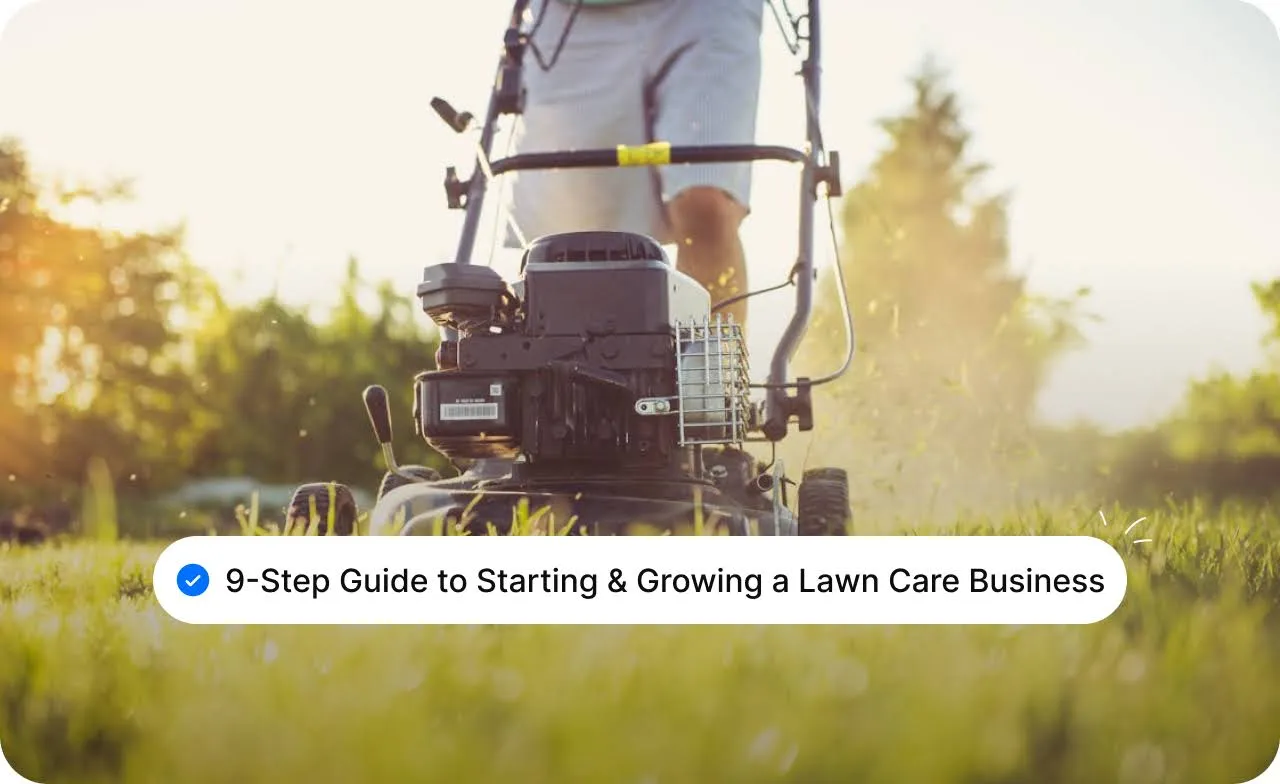
Digital Marketing
Nov 10, 2025
5 mins
How to Start a Lawn Care Business in 9 Simple Steps to Success
Batul Beawarwala
Starting a lawn care business is an exciting opportunity to turn your love for working outdoors into a profitable venture.
With minimal startup costs and a steady demand for services, it’s a business model that’s accessible to almost anyone. If you plan to operate solo or grow into a full-fledged company, learning how to start a lawn care business requires understanding the right equipment, setting competitive prices, and attracting your first customers.
This guide will walk you through each step, breaking down everything you need to know in simple, easy-to-understand terms. Let’s dive into the process and set you up for success.
Why Start a Lawn Care Business?
Starting a lawn care business offers an appealing opportunity for anyone looking to earn a steady income while working outdoors. It’s a business that doesn’t require huge upfront costs and has a consistent demand from homeowners and businesses alike.
You’ll find a constant need for lawn care services in both residential neighborhoods and commercial spaces. Plus, it’s a business you can easily scale, adding new services or employees as you grow. However, like any business, it’s not without its challenges.
There are seasonal changes to consider, competition to outpace, and the physical demands of the work itself. But for those willing to put in the effort, the rewards can be significant.
Pros of Starting a Lawn Care Business:
- Low Initial Investment: Getting started doesn’t require a large upfront investment. A few basic tools, a reliable vehicle, and a strong work ethic are all you need to begin.
- High Demand: Both residential and commercial properties require lawn care, ensuring a steady stream of clients. It doesn't matter if you're mowing, fertilizing, or providing landscape maintenance; your services are always in demand.
- Year-Round Potential: Especially in warmer climates, lawn care can be a year-round business. Even in colder climates, you can offer services like snow removal or fall cleanup to keep income flowing.
- Scalability: As your business grows, you have the flexibility to expand by adding new services or hiring employees, turning your small operation into a larger company over time.
Cons to Consider:
- Seasonal Limitations: In colder climates, demand can slow during the winter months, which means you’ll need to find ways to keep your business running, like offering off-season services.
- Competition: Lawn care is a popular industry, meaning you’ll have to differentiate yourself from others in your area. Offering excellent service, specializing in eco-friendly practices, or using innovative tools can help you stand out.
- Physical Demands: Lawn care is labor-intensive, requiring you to work outside in various weather conditions. It’s important to stay fit and be prepared for the physical work that comes with the job.
In the end, the pros often outweigh the cons for those ready to put in the work, especially since the lawn care industry offers so many ways to grow and expand.
Step 1: Understand the Basics of Lawn Care
When starting a lawn care business, the most important step is gaining hands-on experience. While having the right equipment is essential, your skills will be what truly sets you apart. Getting familiar with the various tasks involved, from mowing and trimming to fertilizing and pest control, is crucial.
If you’re new to the field, consider starting small by offering services to friends or family at discounted rates. This allows you to practice, improve, and build a real-world portfolio.
Alternatively, working for an established lawn care company for a while can provide valuable on-the-job learning.
Here are the key skills you need:
- Lawn Mowing & Edging: The basics of trimming grass to create a neat, well-kept appearance.
- Trimming & Fertilization: Techniques for maintaining healthy grass and proper plant care.
- Pest Control: How to identify and treat common lawn pests without harming the environment.
- Equipment Maintenance: Understanding how to care for and maintain your lawn care tools for long-lasting use.
- Customer Communication: Building rapport with clients, listening to their needs, and addressing concerns professionally.
Step 2: Legal Requirements to Start Your Lawn Care Business
Once you’ve built the foundational skills, it’s time to make things official. To operate legally, you’ll need to follow specific steps, such as registering your business, obtaining the right licenses, and getting insured.
These steps protect you and help you present a professional and trustworthy image to your clients.
Here’s what you’ll need to cover:
- Register Your Business: Decide on the business structure (sole proprietorship, LLC) and register your business name. This step ensures you’re legally recognized.
- Obtain Licenses and Permits: Depending on where you operate, you might need a general business license or a pesticide application certification.
- Get Insurance: Ensure you're covered with general liability, commercial vehicle, and workers' compensation insurance to protect your business and employees.
The legal side of things is crucial, but how you present your business to the public is just as important. A well-crafted website, engaging content, and SEO are essential for standing out and attracting clients.
The legal setup is important, but how you present your business matters too.
Use content and SEO to stand out and rank higher.
Increase Your Visibility
Step 3: Create a Solid Business Plan
A business plan is your roadmap to success. It guides you in setting realistic goals, determining your pricing, and outlining your services.
A solid business plan also helps you stay organized, manage your finances, and keep track of your growth.
Here's what you need to include:
- Identify Your Niche: Do you want to serve residential customers, commercial properties, or both? Deciding on your niche helps you focus your efforts and marketing.
- Set Your Services: What specific services will you offer? Mowing, trimming, seasonal cleanups, or more advanced options like tree trimming or fertilization?
- Pricing Strategy: Research local competitors to ensure your prices are competitive. Make sure your pricing structure covers your costs while allowing for a profit.
- Financial Planning: Estimate startup costs (equipment, marketing, insurance) and set a realistic revenue goal.
Step 4: Get the Right Equipment
Your equipment is the backbone of your lawn care business, but that doesn’t mean you need to spend a fortune up front. Start with the basics and grow your toolkit as your business expands.
Here’s the essential gear you’ll need to start:
- Mower: A reliable push mower for smaller jobs, or a riding mower for larger properties.
- Trimmer & Edger: These tools help you trim the edges for a clean, professional finish.
- Leaf Blower: Perfect for cleaning up after a job, especially in the fall or spring.
- Safety Gear: Gloves, safety goggles, ear protection, and sturdy boots to keep you safe while working.
Step 5: Setting Your Prices and Services
When it comes to pricing, you need to strike the right balance between competitive pricing and profitability. To get started, research what other businesses in your area are charging, then adjust for your experience and the value you offer.
Here’s how you can structure your services:
- Hourly or Flat Rate: Decide if you’ll charge by the hour or offer a flat rate for specific services.
- Offer Bundled Packages: For example, a monthly lawn care package or seasonal services like fertilization and aeration.
- Seasonal Adjustments: Pricing may vary based on the season. For instance, winter services like snow removal or fall cleanups can provide extra income during off-peak times.
Check out this quick video for valuable tips on launching and growing your lawn care business, perfect for getting started!
(Embed the video here)
Step 6: Marketing Your Lawn Care Business
Marketing is about creating a brand that resonates with potential customers and building an online presence that makes you stand out. A well-crafted marketing plan will help you build trust, attract leads, and turn them into loyal clients.
Here’s how you can market effectively:
- Build Your Brand: Design a professional logo, choose business colors, and ensure all your marketing materials reflect a consistent image.
- Create a Website: Make sure it’s easy to navigate, includes your services, and provides online booking options.
- Use Social Media: Platforms like Instagram, Facebook, and NextDoor are great for showing off before-and-after photos and engaging with your community.
Strong SEO begins with your Google Business Profile.
Optimize it to rank higher locally, earn trust, and attract ready-to-hire customers.
Optimize My Google Profile
Step 7: Grow and Scale Your Lawn Care Business
As your lawn care business gains traction, you’ll need to scale to meet the growing demand. Hiring employees or subcontracting work can help you manage larger jobs.
Expanding your services, such as adding landscaping or pest control, will also attract more clients and increase revenue.
Here’s how to scale effectively:
- Hire Employees: Start by hiring one or two people to help with busy seasons. Make sure they’re trained and aligned with your business values.
- Add Services: Consider offering tree trimming, pest control, or seasonal cleanups to attract a wider range of clients.
- Invest in Software: Use business management software to schedule jobs, handle invoicing, and track customer information.
Step 8: Maintaining High Standards of Service
Consistently delivering high-quality work is the key to retaining customers and encouraging referrals. Your reputation depends on reliability, punctuality, and excellent customer service.
Here’s how you can maintain high standards:
- Customer Service: Always communicate clearly with clients. Let them know if there’s a delay and reschedule promptly.
- Operational Efficiency: Organize your routes to minimize travel time between jobs, and keep your equipment well-maintained to avoid downtime.
Step 9: Financial Management and Taxation
Tracking your finances properly is essential for keeping your business profitable. Use accounting software to stay on top of your expenses and revenue, and be mindful of the taxes you’ll need to pay.
Here’s what to keep in mind:
- Track Expenses: Keep track of all your business-related expenses, including equipment, labor, and marketing.
- Understand Taxes: Stay informed about tax deductions you can claim for business expenses like vehicle costs and tools.
Turn Your Lawn Care Passion into a Profitable Business Today!
You’ve learned the essential steps to get your lawn care business up and running, gaining hands-on experience, mastering key skills, navigating legalities, and crafting a solid business plan.
You now know how to market your services, scale your operations, and maintain the high standards that will keep customers coming back. The groundwork is laid, and the next step is yours to take.
Starting your lawn care business is possible with the right approach, and it can be incredibly rewarding. As you take these steps, remember that a strong foundation combined with ongoing strategic growth will set you up for long-term success.
Now that you have the knowledge and the tools, it’s time to put your plan into action!
Need help growing your lawn care business?
Gushwork creates customized strategies to boost your ranking and attract more customers
Start Your Growth Journey with Us
FAQs
Q1. What is the realistic start‑up cost to launch a lawn care business?
A1. The initial investment can vary widely depending on your location and scale. For a solo operation, you might start with a push mower, trimmer, blower and basic transport; costs may run a few hundred to a few thousand dollars. As you scale (truck/trailer, commercial mower, more crew), costs can rise into the tens of thousands.
Q2. Do I need special licenses or certifications to start a lawn care business?
A2. Yes, it depends on your region and the services you plan to offer. Basic business registration is almost always required. If you apply fertilisers, pesticides or provide certain commercial services, you may need additional certifications or permits.
Q3. How should I decide on the right pricing structure (hourly vs flat rate)?
A3. Consider your local market, your overhead (equipment, fuel, labour), job complexity and square footage. Hourly makes sense for uncertain jobs; flat‑rate or tiered packages allow predictability for you and your customer. Research what competitors charge in your area.
Q4. What services should I start with, and when should I add more advanced ones?
A4. Begin with high‑demand, lower‑complexity services like mowing, edging and basic trimming. Once you have a stable client base, you can add higher‑margin services such as aeration, fertilisation, pest control or commercial contracts. This allows you to manage risks and build quality first.
Q5. How do I find my first lawn care customers and build momentum?
A5. Start locally: knock on doors, distribute flyers or door‑hangers in target neighbourhoods, list your business in local directories and ask for referrals from early clients. Show clear value (before/after photos help). As you grow, build an online presence (Google Business Profile, social media) and collect positive reviews.
Q6. What are the main challenges or pitfalls of running a lawn care business, and how can I prepare?
A6. Some common challenges: seasonality (especially in cold climates), heavy physical labour, competition and equipment costs/maintenance. Mitigate by offering off‑season services, keeping equipment well‑maintained, differentiating your brand, and budgeting for slower periods in your business plan.
Q7. How important is a digital presence (website, content, SEO) for a lawn care business today?
A7. Extremely important. Many customers search online for “lawn care near me” and compare options. A professional website, good content (explaining services, showing results), and local SEO help you appear credible and attract leads. Even if you focus on local neighborhoods, digital visibility can make the difference between being found and being overlooked.

“For the first time, we’re proud to add SEO services. Six months in, impact evident.”
Read Case Study

In Conversation with

Abhijith HK
Founder & CEO of Codewave
Want us to do the same for your business?
Talk to an Expert
.svg)
.svg)

