Turning CNC Calibration Expertise into a Search Channel
CNC Calibration / Precision Metrology
.
Pacific Northwest, USA
120 pages
built around core keywords with buyer intent
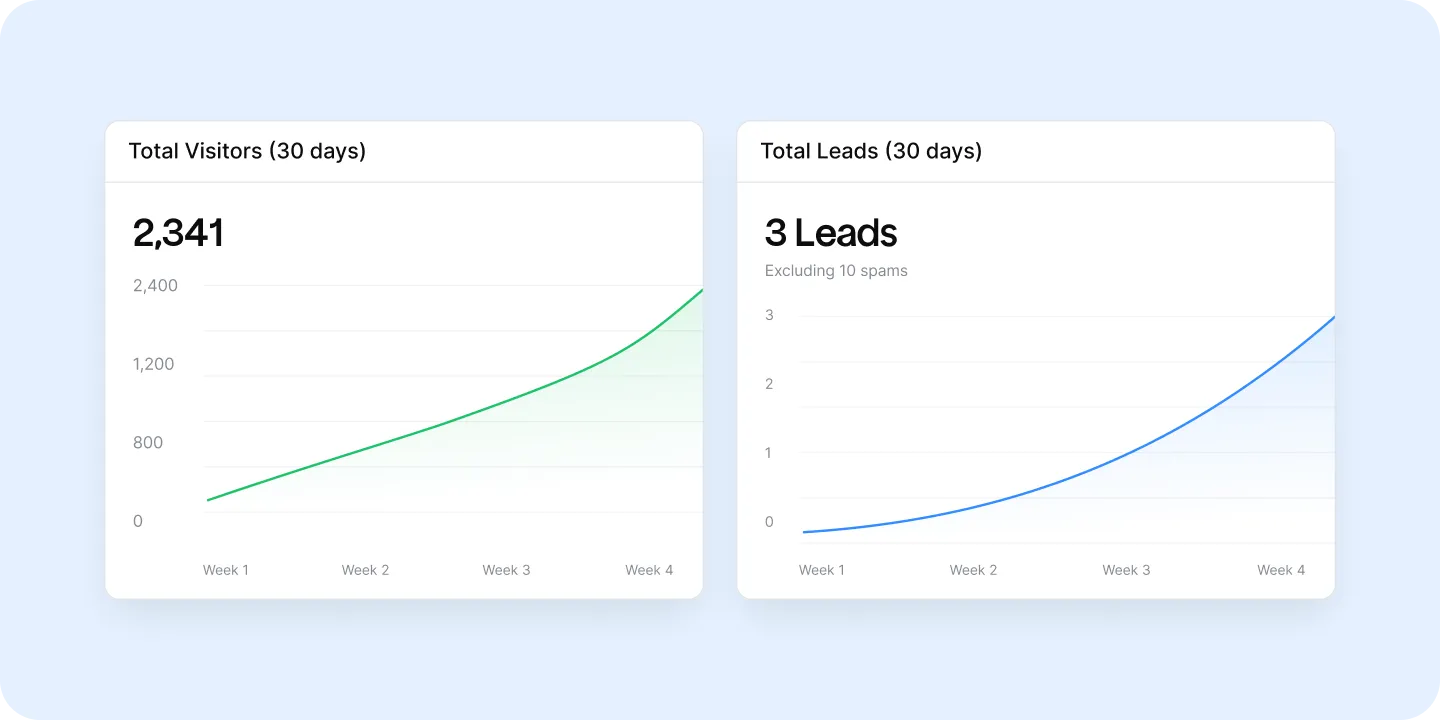
150x growth
in website traffic since the launch
4 regions covered
Pages built to cover the service radius
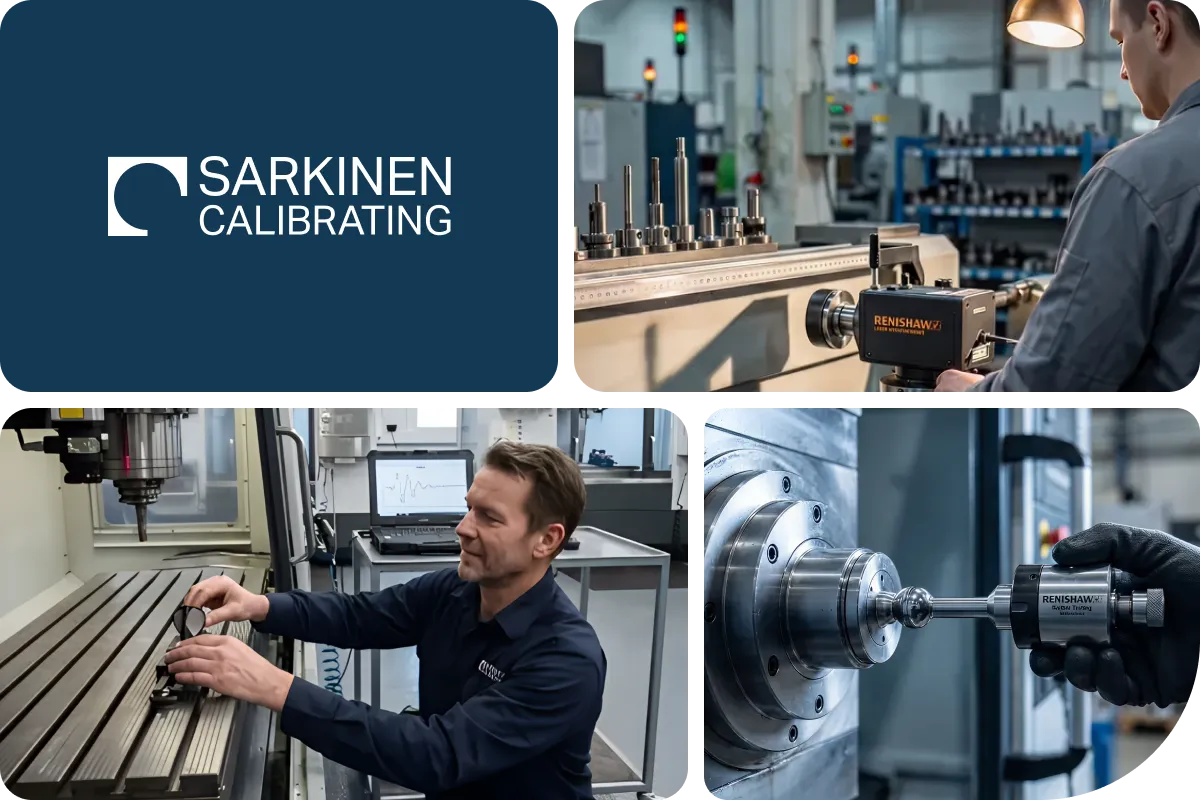
Larry Sarkinen does the kind of work manufacturers only look for when they really need it. He calibrates CNC machines, granite surface plates, and precision equipment for shops across the Pacific Northwest. His buyers are aerospace shops, medical device manufacturers, injection molders, and machine shops with specific tolerance, certification, or accuracy requirements.
Larry had the credentials and the experience. He was one of a small number of people certified to ASME B5.54, the standard used for machining center calibration.
But his website was not helping enough of those buyers find him. Larry had a highly specific service. Buyers were searching for it. But the online path between the two was weak.
Problem
Sarkinen had deep calibration expertise, but his website was not bringing in enough qualified buyers.
Challenge
Calibration buyers search by service type, equipment, standard, and location. A generic website was not enough to capture that intent.
Solution
Gushwork built a Resource Hub around Sarkinen’s actual services and service regions, covering CNC calibration, surface plate calibration, Ball Bar testing, laser interferometer calibration, machine accuracy, and training-related searches.
Before Gushwork
Before Gushwork, Larry’s website existed, but it had not been meaningfully updated in years.
It had a small amount of information, one customer testimonial, and very little search coverage for the services Larry actually sold. His online presence did not match the depth of his work.
A buyer searching for surface plate calibration in Oregon, machine tool leveling in Washington, or granite surface plate certification would not easily find a page that explained why Sarkinen was the right fit.
For a specialist business, that matters.
The buyer is usually not browsing. They already have a machine, a measurement problem, a certification need, or a piece of equipment that needs to be checked. If the right page does not exist, they move on to someone else.
What Gushwork built
Gushwork built the Resource Hub around three parts of Larry’s business.
The first was service-specific content for the work he already does: Ball Bar testing, laser interferometer calibration, backlash testing, granite surface plate calibration, machine accuracy calibration, and related CNC calibration services.
The second was location-specific content for his real service area across Washington, Oregon, Northern California, and Idaho.
The third came directly from the onboarding conversation. Larry mentioned that CAM software training and CNC machinist training had become valuable side work for a few local shops. Gushwork captured that and built training pages into the initial content set.
The page plan was not built around generic metrology content. It was built around the work Larry actually sells and the regions he can realistically serve.
What the channel surfaced
The strongest early signals came from buyers who landed on the exact page that matched their need.
The buyer knew exactly what needed to be calibrated. They landed on the relevant service page, found enough information to trust the fit, and reached out. The same pattern showed up across the qualified inquiries. These were not long, wandering website journeys. Buyers were landing on a specific service page and submitting from there.
What made it work
The pages matched how calibration buyers search.
A general calibration page can explain the business, but it does not capture someone searching for surface plate calibration in Oregon or machine tool leveling in Washington. Gushwork built around those specific moments.
The location pages also worked because they matched Larry’s real service radius. Sarkinen primarily serves the Pacific Northwest, with reach into nearby regions. The pages were built for places he could actually support.
The training pages added another layer.
They existed because Larry mentioned the opportunity during onboarding. That helped the Resource Hub reflect his core calibration work and the adjacent training services that were already valuable to the business.
What changed for Sarkinen
Before Gushwork, Sarkinen’s website was mostly a static presence.
After the Resource Hub went live, it started acting more like a channel.
Buyers began finding Larry through service-specific and location-specific searches. The strongest inquiries came from the pages built for those needs: surface plate calibration, Washington calibration services, granite surface plate calibration, and machine tool leveling.
The channel also surfaced one international partnership inquiry. It is too early to call that a new market, but it showed that the pages could reach beyond Larry’s existing network without outbound effort.
For a solo calibration technician, precision matters more than volume. Larry spends real time on-site for each job. The goal is not to flood the business with form fills. The channel needs to bring in relevant inquiries from buyers who know what they need.
That is what started happening.
Why this story matters
Sarkinen is a specialist business. The buyers are technical. The searches are narrow. The work depends on trust, certification, location, and service fit. Gushwork helped turn that expertise into a search-led channel.
The Resource Hub made it easier for buyers to find Larry when they were searching for a specific calibration service in a specific region. It also gave his adjacent training work a place to be discovered. The strongest proof is in the buyer behavior. People landed on the exact service page they needed and reached out.
For Sarkinen, the shift is simple. His website is no longer only a place someone visits after hearing his name. It is now a way for new buyers to find him when they need the work done.
Discover AI agents that help businesses get more qualified leads.















.svg)