An ISO-Certified Manufacturer That Buyers Couldn't Find Online
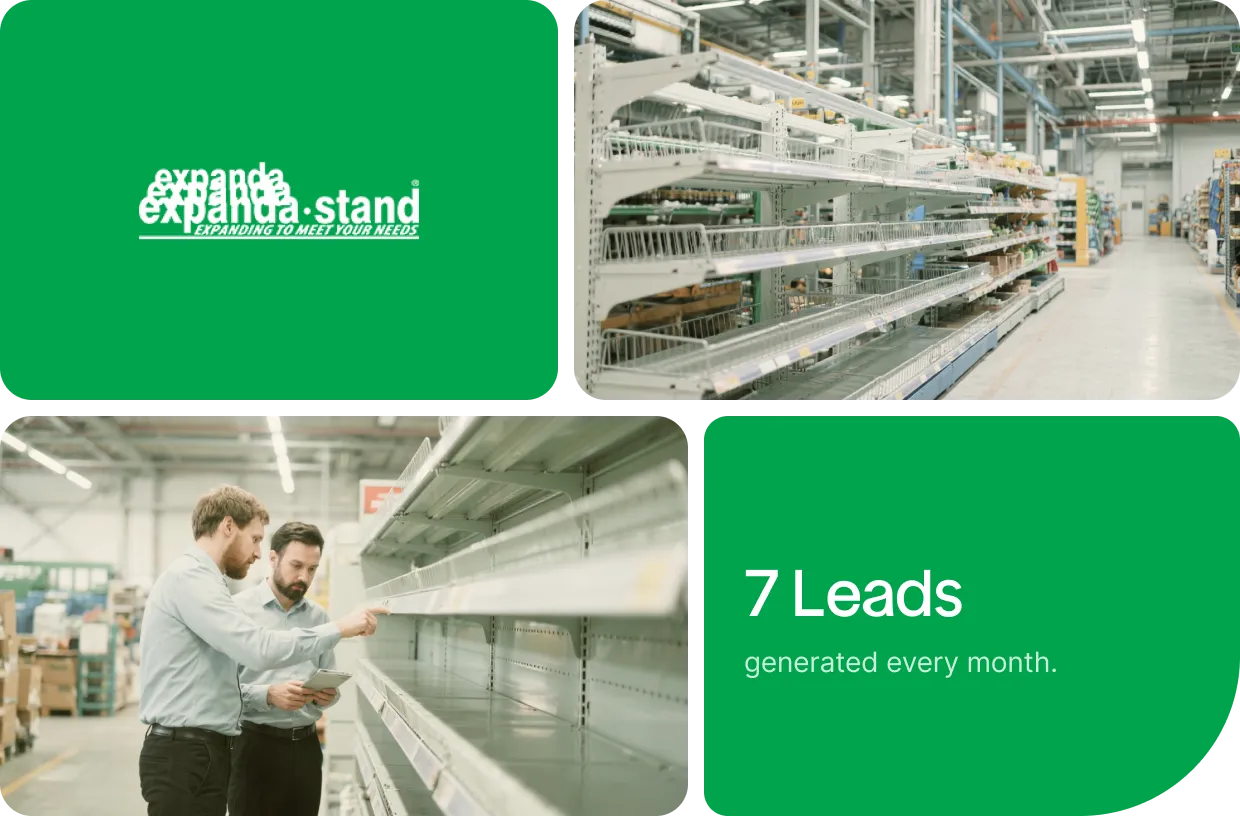
Expanda Stand designs and manufactures custom retail display racks, modular stands, and industrial storage systems for commercial and industrial use. Their clients span retail chains, distributors, warehouses, healthcare facilities, and commercial spaces across India and globally. ISO-certified, with tailored design and installation services, the product and operational capability were never in question.
The website was the problem.
Expanda's site looked professional and clearly communicated what they offered. But it was not generating leads. The website received roughly 137 visitors per month, almost entirely from people who already knew the company by name. But, buyers searching for "custom retail display racks," "warehouse storage systems," or "modular display stands" never found Expanda.
Inbound inquiries were minimal and inconsistent, 1 to 2 leads from the website every 2 to 3 months, with no predictability and no way to influence the flow. For a manufacturer with the capacity to serve major accounts, this represented a significant missed opportunity.
Without a marketing team and without a system to capture buyer demand online, Expanda was invisible during the exact moments when potential buyers were researching and evaluating vendors.
Building a Lead Channel That Runs on Autopilot
The first thing Gushwork needed to make Expanda Stand the default answer to every query about retail racks or storage systems was deep context. Brand Memory got to work and absorbed everything about Expanda Stand, their product lines, ISO certifications, manufacturing capabilities, the industries they serve, and the language their buyers use. This became the foundation. Every page, every piece of content that followed was grounded in how Expanda actually talks about their business and how their buyers actually search for solutions.
From there, the Page Creation Engine went to work. It identified the high-intent queries buyers were already typing, terms like "custom retail display racks manufacturer," "warehouse storage solutions India," and "modular display stands for shops," and built 100 plus targeted pages around them. These were not generic blog posts. Each page was structured to match a specific buyer need to Expanda's specific capability, designed to surface on Google, ChatGPT, Gemini, and other AI search engines.
The Content Management Suite plugged directly into Expanda's existing website and handled everything that came after. Backlinks were built systematically, connecting Expanda's content to authoritative industry sources that search engines trust. As search patterns shifted and buyer behavior evolved, content was refreshed to stay aligned with what procurement teams were actually searching for.
Structural optimizations ran continuously in the background, improving page load speed, mobile responsiveness, and the technical foundations that determine whether pages rank or get buried. The system monitored performance, identified opportunities, and implemented improvements automatically, without requiring content calendars or constant keyword decisions.
As traffic started flowing, the Leads Dashboard gave Expanda a clean view of what was actually happening. Spam was filtered out automatically. When a real buyer inquiry came through, the team got alerted. No noise, no sorting through junk, just qualified leads ready for a conversation.
Meanwhile, Analytics tracked the full picture, which pages were attracting buyers, how AI search bots were crawling and indexing Expanda's content, and which queries were driving the most qualified visitors. This visibility made it possible to see the compounding effect in real time.
The entire system ran with zero touch from Expanda. No content reviews, no marketing hires. The platform worked in the background while the team stayed focused on manufacturing and fulfillment.
From 1 Lead a Quarter to 7 Leads Every Month In Under 4 Months
Within 21 days of deployment, the first qualified lead came through Expanda's website. By month 4, the results had compounded into something the business had never experienced before.
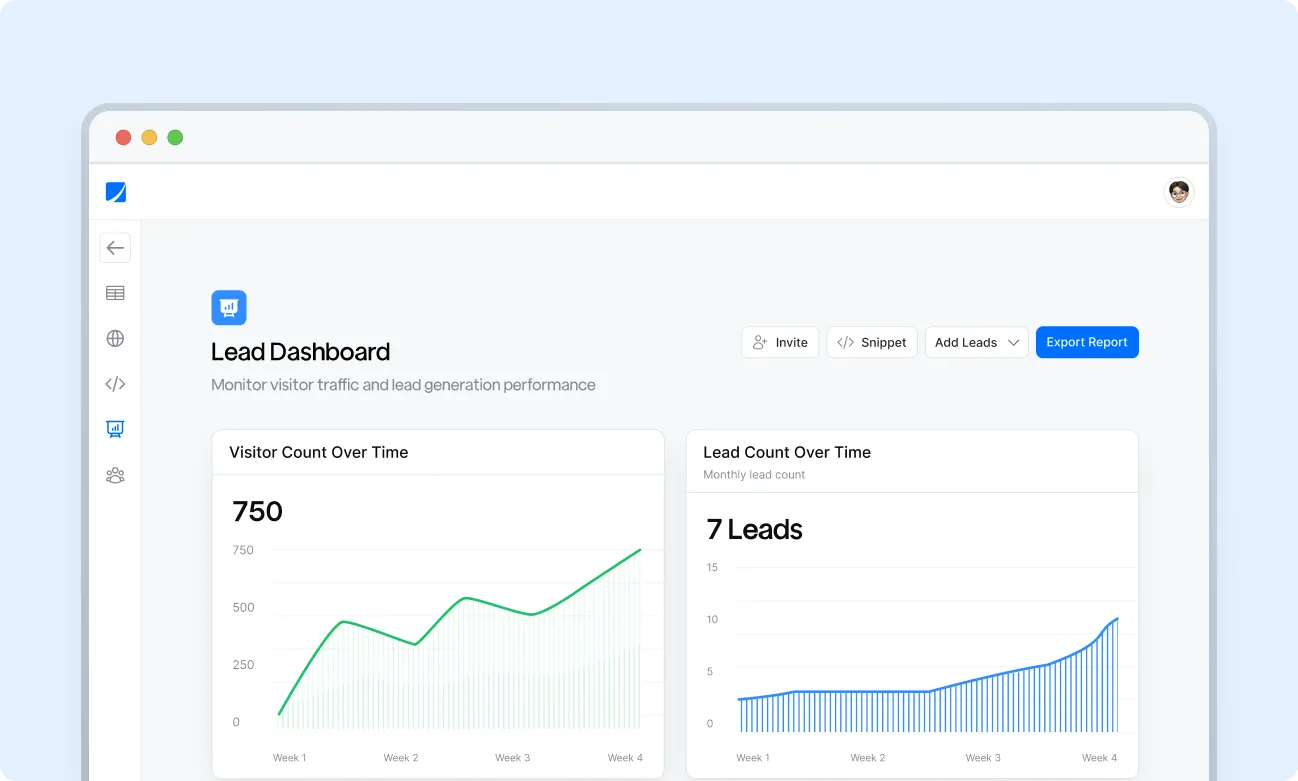
The website now generates 6 to 7 qualified buyer inquiries every month, up from 1 to 2 every 2 to 3 months. These are not generic contact form submissions. Buyers are referencing specific products, solutions, and use cases, a direct result of pages built around how industrial buyers actually search.
Expanda now appears when buyers type 45 plus different search queries related to retail displays, industrial storage, and commercial equipment. Multiple queries rank at the top of Google results, and Expanda has been featured in Google's AI Overview, meaning AI-powered search is actively recommending them to buyers.
Given Expanda's longer sales cycle, these leads represent early-stage pipeline creation. But the shift is fundamental. The website has gone from a passive reference page to an active, consistent source of qualified buyer demand.















.svg)