










Marketing your plastic rubber business requires making smart, strategic choices with your budget. A well-planned budget helps you:
- Increase your brand’s visibility while controlling costs
- Reach the right audience with precision
- Stay flexible and adjust to shifting market trends
- Maximize ROI by focusing on high-impact strategies
With the right approach, your marketing budget becomes a powerful tool for growth in 2026. Let’s explore how to allocate your resources effectively and set your business up for success.
The Role of a Strategic Marketing Budget for Plastic Rubber Manufacturers
A well-planned marketing budget is crucial for driving growth and ensuring long-term success in the plastic and rubber industry. It helps you stay competitive, maximize ROI, and position your brand effectively. With the right budget, you can:
- Adapt to Market Fluctuations: Account for unexpected changes like raw material cost increases or shifting demand.
- Focus on Customer Retention: Maintain and grow relationships with existing customers while attracting new ones.
- Track What Works: Invest in strategies that deliver results and adjust your budget as needed.
Key Factors to Consider When Allocating Your Marketing Budget
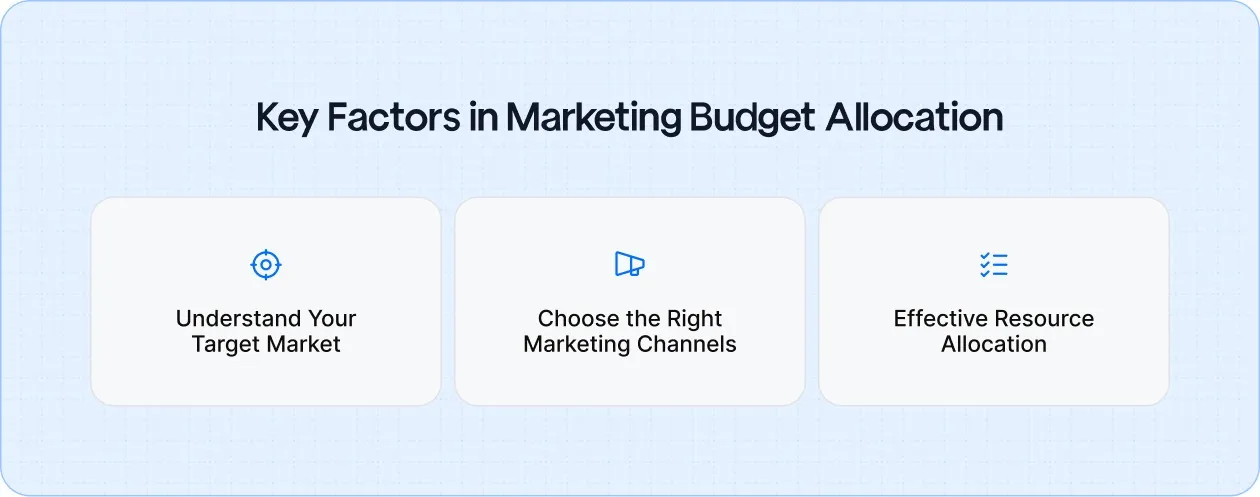
Allocating your marketing budget effectively means targeting resources where they’ll have the greatest impact. Here are the key factors to guide your decisions:
a) Understand Your Target Market
Different customer segments, like manufacturers, automotive companies, and construction firms, have unique needs. Personalize your marketing to address those specific priorities: cost-efficiency for manufacturers, performance for automotive clients, and durability for construction firms.
b) Choose the Right Marketing Channels
Not all marketing channels are created equal. Trade shows are great for building B2B relationships, especially in industries like automotive and manufacturing. Digital marketing, on the other hand, offers long-term visibility and consistent engagement. Choose wisely to avoid overextending on low-return channels.
c) Effective Resource Allocation
Focus your budget on high-value areas. Invest in content marketing and SEO for sustainable brand growth. For immediate engagement, consider direct sales or event marketing, but remember to balance the costs with expected returns. Prioritize strategies that will scale as your business grows.
Must Read: Machinery Buyers Do 70% of Research Online Before Sales - Is Your Brand Visible In Search?
How to Calculate and Plan Your Marketing Budget for Plastic Rubber Products
When it comes to planning your marketing budget, precision is key. Allocating your resources effectively ensures your marketing efforts align with your business’s growth, production cycles, and market demands. Here’s how to approach it:
- Revenue-Based Budgeting: A common practice in the plastic and rubber industry is allocating around 5-10% of your revenue to marketing. This percentage provides a baseline, but you'll need to adjust it depending on your business size and market conditions.
- Cost Considerations: Your marketing budget should consider production cycles, fluctuating raw material prices, and demand forecasts. When material prices rise or production slows, you may need to adjust your budget accordingly.
This means prioritizing high-return marketing activities and scaling back on less impactful strategies.
- Seasonal Adjustments: The plastic rubber industry often experiences seasonal fluctuations based on market demand, industry trends, and external factors like regulatory changes. It’s crucial to adjust your budget based on these cycles.
For example, if you're in the construction segment, allocate more funds during peak seasons when projects ramp up.
Best Practices for 2026 to Optimize Your Marketing Spend
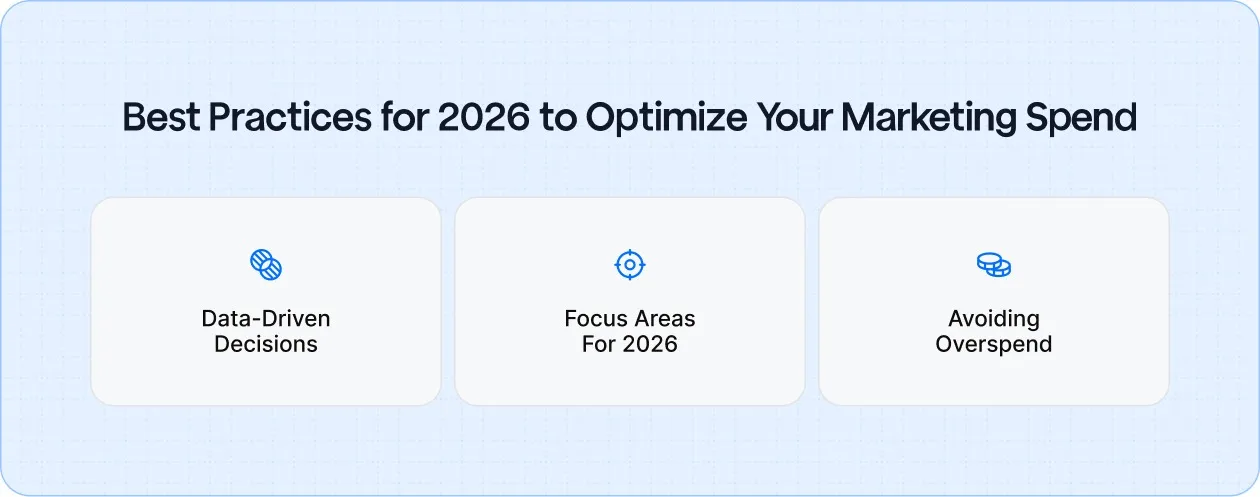
Maximizing your marketing budget requires spending smarter. To make every dollar work for you, here are the best practices to follow in 2026:
1. Data-Driven Decisions
Tracking key metrics like Customer Acquisition Cost (CAC) and Return On Investment (ROI) is essential to optimizing your marketing spend. By understanding how much you're spending to acquire a customer and the return you're seeing from each campaign, you can make informed decisions.
For example, if one channel has a high CAC but low ROI, consider reallocating funds to strategies that are performing better. Monitoring these metrics regularly will help you ensure that your spend is aligned with your goals and maximizing value.
2. Focus Areas for 2026
Prioritize high-ROI strategies like content marketing, SEO, and paid ads. Content marketing helps build long-term brand trust and improves organic traffic, offering sustained value over time. SEO helps improve your online visibility without constant costs, making it an essential part of your strategy.
3. Avoiding Overspend
Regularly assess your marketing channels to avoid wasting resources. If a channel isn’t performing as expected, scale back or cut it out altogether. Reallocate funds to areas that are showing higher returns.
A great way to do this is through A/B testing, which helps identify what works and what doesn’t, allowing you to refine your strategy. Stay flexible and ready to adjust your spend as needed, ensuring that your budget is always directed toward high-impact areas.
Must Read: Plastics and Rubber Manufacturers Must Adopt These 5 Strategies
Looking to drive smarter decisions and maximize your marketing impact?
With data-driven SEO and content strategies, you can focus your budget on high-ROI channels, ensuring long-term growth and maximizing every dollar spent.


Budget for the Future: Long-Term Marketing Planning
Planning for the long term is critical for staying ahead in the plastic rubber industry. While short-term adjustments are necessary, a growth-focused approach to budgeting will help secure your business's future. Here's how to set your marketing budget up for long-term success:
Growth-Focused Budgeting
Allocate a portion of your marketing budget for long-term initiatives that will fuel sustainable growth. Consider these areas:
- Brand Development: Invest in building a strong, recognizable brand that stands out in the marketplace. Over time, strong brand equity leads to customer loyalty and premium pricing.
- Product Diversification: Budget for expanding your product line to tap into new markets or respond to changing customer needs. Diversifying your offerings reduces risk and opens up new revenue streams.
- Global Market Expansion: As your business grows, targeting international markets can drive significant revenue. Set aside funds for market research, localization, and tailored marketing campaigns to ensure success in new regions.
Flexibility in Your Budget
A rigid marketing budget can hinder your ability to adapt to market shifts. Build flexibility into your plan to respond to unexpected challenges, such as:
- Regulatory Changes: New regulations may impact your production process or marketing strategy. Having a flexible budget allows you to reallocate funds to stay compliant.
- Raw Material Cost Increases: The volatility in raw material prices can impact your overall business operations. Adjust your marketing spend to ensure that you’re not over-committing to campaigns when production costs are high.
- Emerging Opportunities: Stay open to new marketing trends or technologies that could benefit your business. With flexibility, you can quickly invest in these opportunities before your competitors.
Quarterly Reviews
Regular budget reviews and performance audits help ensure that your marketing efforts are aligned with your business goals and market conditions. Consider the following:
- Measure Effectiveness: Track the performance of each marketing channel and assess whether it’s contributing to your long-term objectives. This allows you to reallocate budget to the most effective areas.
- Refine Your Strategy: Business priorities change over time, and so should your marketing strategy. Quarterly reviews give you the insight needed to adjust your budget and refine your approach to match new goals.
- Adjust Spending Priorities: Not all marketing channels will perform equally over time. By reviewing your budget quarterly, you can move resources from underperforming tactics to high-impact, revenue-generating activities.
Suggested Read: We Analyzed 25+ Top Manufacturing Websites - The Winners Follow These Simple Steps
3 Common Mistakes to Avoid in Plastic Rubber Marketing Budgeting
While creating a marketing budget is a crucial step for any plastic and rubber manufacturer, it’s equally important to avoid common pitfalls that can lead to wasted resources and missed opportunities.
Here are some key mistakes to watch out for:
1. Underestimating Marketing Costs
One of the biggest risks in budgeting is setting unrealistic expectations for your marketing spend. This often happens when:
- Creative Production: Often, businesses overlook the costs of producing high-quality content, videos, and other creative assets. These elements are essential for engaging your audience, but they require a significant portion of your budget.
- Solution: By setting aside a realistic budget for ongoing efforts and creative production, you’ll avoid running into shortfalls that can delay or derail your marketing initiatives.
2. Neglecting Performance Tracking
Without tracking the performance of your marketing activities, you risk overspending on underperforming tactics. Common issues include:
- No Clear Metrics: If you aren’t tracking metrics like ROI or customer acquisition cost, you’re essentially flying blind. You could end up spending on channels that aren't delivering value.
- Lack of Data Analysis: Regular analysis helps refine your strategy and improve future budgeting decisions. Without this, it’s easy to miss opportunities to optimize your marketing spend.
- Solution: Integrating regular performance reviews and real-time metrics into your marketing strategy allows you to track progress and adjust your budget accordingly.
Tools that offer automated reporting can help streamline this process and ensure you're staying on track.
3. Ignoring Competitor Strategies
Failing to monitor and analyze what your competitors are doing with their marketing can lead to missed opportunities. Here’s why it matters:
- Market Positioning: Competitors’ marketing strategies can provide insights into what’s working in your industry. If you’re not keeping track, you might miss key trends or innovations that could help you stay ahead.
- Avoiding Pitfalls: By understanding your competitors’ strengths and weaknesses, you can fine-tune your own strategy to avoid costly mistakes they may have already made.
- Solution: Regular competitor analysis helps you identify successful tactics, gaps in their approach, and new areas for growth. You can adapt these insights to improve your own marketing budget and execution.
Transform Your Plastic Rubber Marketing Budget for 2026
As we approach 2026, it’s clear that the key to long-term success in the plastic and rubber industry lies in a well-structured marketing budget. By strategically allocating resources, measuring performance, and staying adaptable, you can:
- Sustain Growth: A carefully planned budget ensures you can invest in the right channels and tactics, driving consistent growth and profitability.
- Stay Competitive: As raw material prices fluctuate and new competitors emerge, your marketing budget can help you stay agile and responsive.
- Maximize ROI: With data-driven decisions and regular reviews, your budget can evolve to focus on high-ROI strategies, giving you a competitive edge.
Your marketing budget should be a strategic tool that powers your business forward. It’s time to fine-tune your plan, adapt to new opportunities, and invest in initiatives that align with your long-term vision.
Want your marketing budget to drive real results?
Gushwork optimizes SEO and content strategies, helping you achieve lasting growth and maximize ROI.


.webp)







.webp)



.svg)


