










Many people begin their search for septic tank services online, especially when they need help close to home. If your business doesn’t appear in search results or local listings, potential customers may choose another provider instead.
That’s where SEO steps in, making it easier for people to find your septic services when they need them. You can start with straightforward steps without needing a large marketing budget or a big team.
Let’s look at how septic tank services SEO training can help your business get noticed online.
What is SEO, and How Does It Benefit Septic Services?
SEO, or Search Engine Optimization, refers to improving your website so that search engines like Google can understand and rank it higher in search results. Here's how it works:
- Keyword Optimization: Using the right keywords ensures your services show up when customers search.
- Content Quality: Creating valuable content that answers the questions people are asking.
- Local SEO: Ensuring your business shows up in local searches for services like "septic tank repair near me."
Septic Services and SEO: Helping You Get Found
For septic businesses, SEO ensures that your company appears when people search for services you provide. Here’s how SEO benefits septic service businesses:
- Improved Visibility: When people search for "septic tank services," your business is more likely to appear in their results.
- Targeted Reach: SEO connects you with local customers actively searching for septic services.
- Building Trust: Showing up in search results builds credibility in the eyes of potential customers.
Long-Term Benefits of SEO
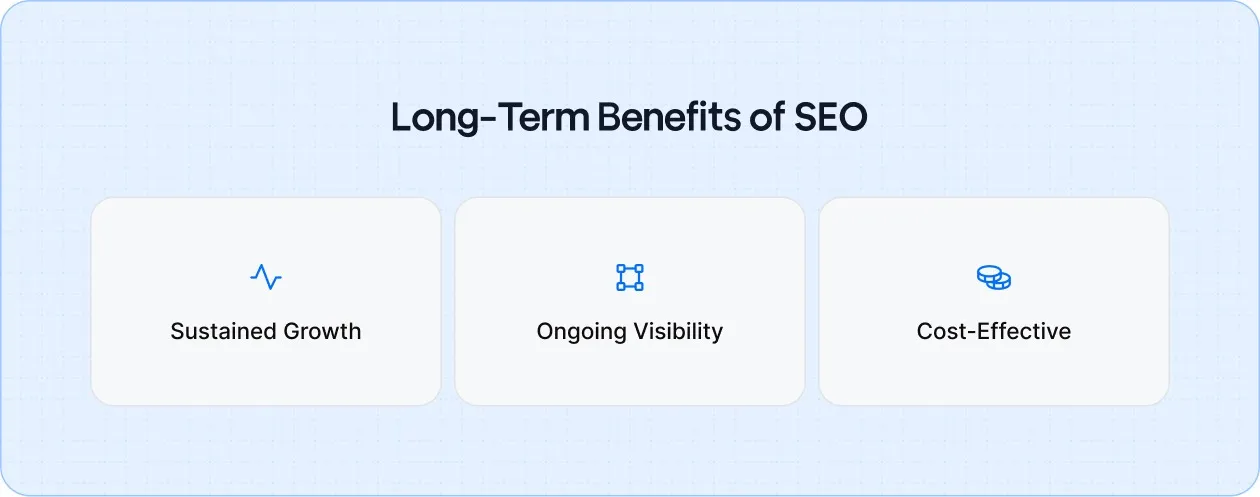
SEO offers long-term growth and stability for your business. Here's why it pays off:
- Sustained Growth: Once optimized, your website continues to attract visitors without ongoing costs.
- Ongoing Visibility: SEO provides long-lasting visibility, unlike paid ads, which stop working once the campaign ends.
- Cost-Effective: Over time, SEO offers a more affordable way to maintain a strong online presence compared to continuously paying for ads.
By consistently implementing SEO strategies, your septic services can continue to grow and attract customers over the long haul.
Keyword Research to Help Get the Right Keywords for Your Business
Keyword research ensures that when potential customers search for septic services, your business appears in the results. Without it, even the best services can go unnoticed.
a) How to Choose the Right Keywords
- Think like a customer: Use terms your customers are likely to search, such as "septic tank pumping near me" or "emergency septic tank repair."
- Use local keywords: Include specific location terms like “septic services in Austin” or “septic tank cleaning in Dallas” to make sure people in your area find you.
- Focus on search intent: Understand whether customers are searching for a service ("septic tank pumping") or information ("how to maintain a septic tank").
b) Tools to Find Keywords
- Google Keyword Planner: Helps you discover keywords that customers are searching for.
- SEMrush: Provides insights into your competitors' keywords and their performance.
- Ubersuggest: Suggests keywords and shows their search volume and competition.
c) Targeting Long-Tail Keywords
Long-tail keywords like “affordable septic tank pumping in Austin” or “emergency septic tank services in Dallas” are specific, easier to rank for, and attract customers who are ready to book.
Must Read: Want More Drain Cleaning Calls? Try These Powerful SEO Hacks Today
Keyword research is the cornerstone of SEO success.
Finding the right search terms is key to attracting the right customers, but it’s not possible without the right strategy.


On-Page SEO to Optimize Your Website for Better Visibility
Your website content should be both helpful and relevant. Provide practical advice that addresses the needs of potential customers. For septic services, this could be guides on tank maintenance, troubleshooting common issues, or tips for keeping systems running smoothly.
The more useful your content, the more likely visitors will return and trust your business.
a) Optimizing Metadata for Search Engines
Metadata like page titles, meta descriptions, and headers help search engines understand your content and attract clicks. Here’s how to optimize them:
- Page Titles: Use clear, descriptive titles with your main keywords (e.g., "Affordable Septic Tank Pumping in Austin").
- Meta Descriptions: Keep it concise and include your target keywords to encourage users to click.
- Headers: Use headers to break up content and include keywords for better search engine recognition.
b) User Experience (UX): Smooth, Fast, Mobile-Friendly
Your site’s performance directly affects your SEO. Make sure it’s mobile-friendly, fast-loading, and easy to navigate. Websites that deliver a smooth experience are rewarded with higher rankings.
- Mobile Optimization: Ensure your site works well on all devices.
- Page Speed: Aim for fast loading times using tools like Google PageSpeed Insights to keep users engaged.
- Navigation: Simplify your site structure to guide visitors directly to what they need.
Septic tank services website optimization focuses on making service pages clear, fast, and easy to understand for people looking for help.
On-page SEO focuses on clarity and usability.
Making sure your content speaks to customers and your website is easy to use can have lasting benefits.
Local SEO Helps You Get Found in Your Area Easily
Local SEO is the key to ensuring your septic services business stands out when customers are searching for solutions in your area.
a) Claim and Optimize Google My Business (GMB) and Apple Business Connect
To ensure your septic service business is visible to local customers, claiming and optimizing your Google My Business (GMB) and Apple Business Connect profiles is crucial. These platforms directly influence how you appear in local search results. Here’s what to do:
- Claim your profile: Claim your GMB and Apple Business Connect profiles. Ensure your business information (name, address, phone number, website, and operating hours) is correct and consistent.
- Enhance your profile: Add clear photos of your work, service areas, and team. Fill out the business description with relevant keywords, and be specific about the areas you serve (e.g., “septic tank pumping in Austin” or “emergency septic repair in Round Rock”).
- Add service areas: In GMB, list the regions or neighborhoods you service so that you show up when potential customers search specifically for local providers.
b) Build Trust and Credibility
Active engagement on both platforms can improve your visibility and credibility. Here's how to make the most of GMB and Apple Business Connect:
- Encourage reviews: Reviews are a key factor for ranking higher in local search results. Ask satisfied customers to leave feedback. Positive reviews improve your ranking and help build trust with potential clients.
- Post regular updates: Share updates about promotions, new services, or seasonal tips related to septic services. Regular posts keep your profile fresh and engaging, signaling to Google and Apple that your business is active and trustworthy.
- Share images and videos: Visual content can engage potential customers better than just text. Upload photos of your work, behind-the-scenes shots, or videos of your services in action. This makes your profile more attractive and informative.
c) Use Location-Based Keywords to Strengthen Your Local Presence
Local SEO is all about connecting with customers in your area. By incorporating location-based keywords, you can increase your chances of being found by local searchers:
- Use specific city and neighborhood keywords: Include your location in the content throughout your website (e.g., “septic tank services in Austin” or “emergency septic tank pumping in South Austin”). This will help search engines match your business to local searches.
- Long-tail keywords: Consider using more detailed phrases, like "affordable septic tank cleaning in Austin" or "septic repair services near Hyde Park.” These keywords tend to have less competition and attract customers who know exactly what they need.
Suggested Read: How To Reach A Lead Searching For A Drain Cleaner In 30 Seconds?
d) Use Local Citations to Strengthen Your Online Presence
Building local citations from trusted online sources can help you establish your business as relevant and credible in your area. This can significantly improve your local search visibility:
- Get listed on local directories: Ensure your business is in trusted directories like Yelp, Yellow Pages, and Angie’s List. This helps Google understand your business's relevance in your local area.
- Maintain consistent NAP (Name, Address, Phone Number): Ensure that your NAP information is consistent across all directories. Inconsistent information can confuse search engines and hurt your local ranking.
Appearing in local search results can make a huge difference.
Efficient local SEO requires creating a consistent, engaging online presence that resonates with your target audience.
Off-Page SEO to Build Trust and Authority
Off-page SEO is all about building your business’s credibility and authority online. By earning backlinks, engaging on social media, and managing your reputation, you create a strong digital presence that helps your septic service stand out in local searches.
These efforts improve visibility and build trust with potential customers.
a) Earn Backlinks to Establish Credibility
Backlinks from reputable websites are crucial for building trust and improving your site’s authority. When high-quality sites link to you, search engines see this as a vote of confidence, increasing your visibility. Here’s how to earn them:
- Focus on local blogs and industry-specific sites that your potential customers visit.
- Engage with media outlets: Offer your expertise to be featured in local news or industry publications.
- Guest posting: Write valuable content for other websites in exchange for a backlink to your own.
Earning septic tank services backlinks from credible sources improves trust and long-term visibility.
b) Social Media Engagement to Expand Your Reach
Engaging with your audience across multiple social platforms can significantly increase your business's visibility. Along with Facebook and Instagram, here are some other platforms to consider:
- Twitter: Share quick tips and updates, and engage in industry-related conversations.
- LinkedIn: Establish yourself as an expert by sharing in-depth articles and updates relevant to your business.
- Pinterest: Share helpful infographics or guides on septic tank care and maintenance.
- Snapchat: Give behind-the-scenes glimpses into your business, building a more personal connection with potential customers.
Septic tank services' social media optimization supports visibility by keeping your business active and consistent across platforms that customers already use.
c) Online Reputation Management to Stay Proactive
Your online reputation is a reflection of your business, and managing it well can have a direct impact on customer trust and SEO. Here’s how to stay on top of it:
- Encourage customer reviews: Ask satisfied customers to leave reviews on Google, Yelp, and other platforms.
- Respond to feedback: Acknowledge both positive and negative reviews to show that you value customer input.
- Maintain consistency: Keep your business details consistent across all platforms and directories.
By actively managing your reputation, you’ll improve your SEO and build long-lasting trust with your customers.
Technical SEO to Improve Site Performance
Ensuring your website performs at its best is crucial for both user experience and search engine rankings. By focusing on site speed, mobile optimization, and structured data, you can enhance your website's usability and visibility.
These technical improvements lay the foundation for long-term SEO success.
a) Mobile Optimization
With more people searching on mobile devices than ever before, having a mobile-friendly website is essential. Google evaluates websites using mobile-first indexing in its rankings, meaning if your site isn’t responsive, you’re missing out on valuable visibility.
Here’s how to ensure your site is mobile-ready:
- Check mobile usability: Use Google Lighthouse (via Chrome DevTools or PageSpeed Insights) to see if your site is optimized for mobile devices.
- Simplify design: Ensure buttons are easy to tap, and text is legible without zooming in.
- Responsive design: Your website should automatically adjust its layout depending on the screen size, offering a seamless experience across all devices.
Ensuring your site works well on mobile improves SEO rankings and enhances user experience, keeping visitors engaged.
b) Page Speed
Page load time directly affects both your rankings and user satisfaction. A slow-loading website can cause visitors to bounce, negatively impacting your SEO. Here’s how to speed things up:
- Compress images: Use tools like TinyPNG or ImageOptim to reduce image file sizes without losing quality.
- Minify code: Compress HTML, CSS, and JavaScript files to eliminate unnecessary space and speed up loading times.
- Leverage browser caching: Enable caching to store parts of your website on users' devices, so they don’t have to load everything from scratch each time.
Faster websites provide a better user experience and are more likely to rank higher in search results.
c) Structured Data to Improve Visibility with Schema Markup
Structured data, also known as schema markup, helps search engines understand the content of your website. By adding schema, you improve the way your pages appear in search results, making them more engaging. Here’s how it works:
- Add schema markup: Use JSON-LD to add structured data to your site’s code. This tells search engines exactly what your content is about, from reviews to services.
- Rich snippets: Schema markup can help your site display additional information in search results, such as star ratings, prices, or event details, making your listing stand out.
By implementing schema, you improve your SEO and the visibility of your website in rich search results, making it more likely that users will click on your page.
Content Marketing to Connect with Your Audience
Effective content marketing drives visitors to your site and builds trust and authority in your industry. By providing helpful and informative content, you position your business as a go-to resource for customers.
Repurposing and strategically distributing that content ensures you're reaching a wider audience and keeping them engaged with your brand.
a) Create Valuable Content to Provide Real Value
Your content needs to genuinely help your audience. Focus on delivering content that answers their questions and addresses their pain points. Here’s how:
- Blog Posts: Write posts that tackle common problems your customers face, like septic tank maintenance or repair tips. Septic tank services blog post optimization helps older articles stay useful and visible as customer needs change.
- Guides and Tutorials: Create detailed, step-by-step guides on services you offer. This positions you as an expert.
- FAQs: Provide quick answers to the questions your customers ask the most. This builds trust and encourages them to return to your site.
Septic tank services SEO writing works best when the content is practical, easy to read, and focused on real customer questions.
b) Repurpose Content to Expand Your Reach
Repurposing your content can help you reach a broader audience without reinventing the wheel. Turn your high-performing content into various formats:
- Blog to Video: Create short videos explaining your blog content, ideal for social platforms like YouTube or Instagram.
- Blog to Social Media Posts: Pull out key tips or statistics from your blog to share on Facebook, LinkedIn, or Twitter.
- Blog to Infographics: Make the key takeaways visually engaging and shareable through Pinterest or your website.
This approach lets you maximize the value of each piece of content and engage with different segments of your audience.
c) Content Distribution to Amplify Your Message
Creating great content is only part of the equation; getting it in front of the right people is where distribution comes in. Share your content strategically to increase your reach:
- Social Media: Share posts on Facebook, LinkedIn, Instagram, and Pinterest to engage your audience and drive traffic.
- Email Newsletters: Keep your audience updated with useful content, seasonal tips, or promotions, ensuring your business stays top of mind.
- Paid Ads: If you want to give your content a push, consider using Google Ads or social media promotions to increase visibility and attract more visitors.
By distributing your content on multiple platforms, you extend your reach and ensure potential customers see it at different touchpoints.
Content is what brings visitors to your website.
Creating valuable, well optimized content ensures visitors find what they need and keeps them coming back.
d) Track SEO Progress
Tracking your SEO performance with tools like Google Analytics is crucial for understanding how your website is performing and where you can improve. Here’s what to focus on:
- Bounce Rate: High bounce rates could indicate that users aren’t finding what they expected. Lowering bounce rates can improve user experience and SEO.
- Session Duration: The longer visitors stay on your site, the better it signals your content’s value to search engines.
- Page Views: Monitoring which pages are getting the most attention helps identify your best-performing content and areas needing improvement.
Tracking septic tank services web traffic helps you understand which pages bring visitors and which ones need improvement.
e) Assess Keyword Rankings to Track Performance with Google Search Console
To measure keyword performance, Google Search Console provides insights into which terms are driving traffic to your website and how well they’re performing in search results. Key data to focus on includes:
- Keyword Impressions: See how often your site appears in search results for a specific keyword.
- Average Position: Track your average ranking for specific keywords. If you’re not in the top results, it’s time to optimize.
- Click-Through Rate (CTR): A higher CTR suggests your content is compelling and relevant. Low CTR may indicate you need to improve your meta descriptions or title tags.
By using Google Search Console, you get real-time insights into your keyword performance and can make adjustments to improve rankings.
f) Adjust Strategies to Adapt Based on Data
SEO is a dynamic process that requires regular refinement based on performance metrics. Here's how to adjust your strategy:
- Refine Underperforming Keywords: If a keyword isn’t ranking well, optimize your content, or consider targeting a more specific long-tail keyword.
- Revise Content: If certain pages aren’t engaging visitors, update them with more relevant information, visuals, or calls to action.
- Link Building: If your site’s backlinks aren’t contributing to rankings, focus on acquiring high-quality, authoritative links.
By acting on the data you gather, you ensure that your SEO strategy remains agile, effective, and aligned with your goals.
Scale Your SEO to Build for Long-Term Success
As your business grows, so should your SEO strategy. Continuously refining your keywords, adding fresh content, and using paid ads alongside organic SEO efforts will help ensure long-term success.
These ongoing improvements create a strong foundation for your website to attract more customers and maintain visibility.
a) Ongoing Keyword Optimization to Evolve as You Grow
SEO is not a one-time task; keyword optimization is an ongoing process that evolves as your business grows. As you scale, your target audience and their search intent may shift, and so should your keyword strategy. Here’s how to refine it over time:
- Regularly revisit your keyword list: As your business expands, new services or locations might need targeted keywords. Reevaluate your keywords based on current trends and search volumes.
- Focus on long-tail keywords: These often represent more specific queries with higher intent. As you rank for broad keywords, consider incorporating more niche terms to capture less competitive, yet highly relevant searches.
- Use competitive analysis tools: Keep an eye on what your competitors are ranking for using tools like SEMrush or Ahrefs. If they’re ranking for terms that you aren’t, it may be worth targeting those as well.
Constantly adjusting and expanding your keyword focus ensures that your SEO remains aligned with your business growth and continues driving relevant traffic.
b) Expand Content to Keep Your Site Fresh and Valuable
As your business evolves, so should your content. Regularly adding fresh, high-quality content improves SEO and keeps your audience engaged and coming back for more. Here’s why ongoing content expansion matters:
- Build topical authority: The more valuable content you produce around your services and industry, the more search engines will see you as an authority on the subject.
- Focus on evergreen content: Create articles, guides, and FAQs that stand the test of time and continue to attract traffic year after year.
- Cover new industry trends: Stay updated with changes in the septic service industry and write about new trends or technologies, ensuring your content remains relevant to your audience’s needs.
Regularly posting new, relevant content ensures that your site continues to provide value, stays competitive in search rankings, and meets the evolving needs of your customers.
c) Leverage Paid Ads in Conjunction with SEO
While SEO is essential for long-term growth, pay-per-click (PPC) ads can offer an immediate improve, helping to complement your organic strategy.
Combining these two strategies creates a well-rounded digital marketing approach that delivers short-term results and builds long-term sustainability. Here's how they work together:
- Immediate visibility with PPC: As your SEO efforts take time to build, PPC ads can help your business appear at the top of search results right away. This is especially helpful for targeting high-intent keywords that you’re still working to rank for organically.
- Test and refine with paid ads: Use PPC ads to test which keywords and landing pages resonate most with your audience. The insights gained can inform your organic SEO strategy, helping you refine your content and keywords for better results.
- Retargeting for sustained engagement: Paid ads can help retarget visitors who engaged with your website but didn’t convert, bringing them back to complete their actions, such as requesting a service.
By integrating paid ads with SEO, you create a comprehensive marketing plan that addresses both immediate needs and long-term growth.
Next Steps to Implement Your SEO Strategy
Now that you’ve learned the essential SEO strategies for your septic services business, it’s time to put them into action.
From refining your keyword strategy to creating valuable content and incorporating local SEO, each step builds on the other to improve your online visibility.
SEO is a long-term commitment, but with consistent effort, the results will follow.
SEO works best when it’s done consistently and with intent.
Gushwork helps septic service businesses build and scale content-led SEO without needing a large in-house team.


.webp)






.webp)


.svg)


