









Walk into any store, and you'll see shelves filled with products, each fighting for attention. But some packaging makes you stop and look.
It's not just the product that draws you in; it’s how it’s presented, the design, the colors, and the message it sends. For small businesses, getting noticed can be tough. That’s where a packaging marketing strategy comes into play. It’s about using your packaging to tell your brand’s story and connect with customers.
A simple shift in how your product is presented can turn a casual shopper into a loyal buyer. Let’s take a closer look at how you can use packaging to make a real impact on your brand’s success.
The Critical Role of Packaging in Modern Marketing
Packaging has transformed from a simple container to a core marketing tool. It’s about telling your brand's story, differentiating from competitors, and influencing customer behavior.
Why Packaging Matters in Your Marketing Strategy?
Packaging is the first thing your customers see. It’s your initial touchpoint and a silent salesperson that communicates your brand identity before the product is even opened.
Use your packaging as a vehicle for communication. Packaging reflects what your brand stands for, be it sustainability, luxury, or simplicity. The marketing happens in those subtle design choices that communicate your brand’s core values.
Stand Out with Unique Packaging
In a crowded market, packaging offers an immediate way to stand out. Think about the brands you recognize instantly, and it's the unique design that catches your eye first.
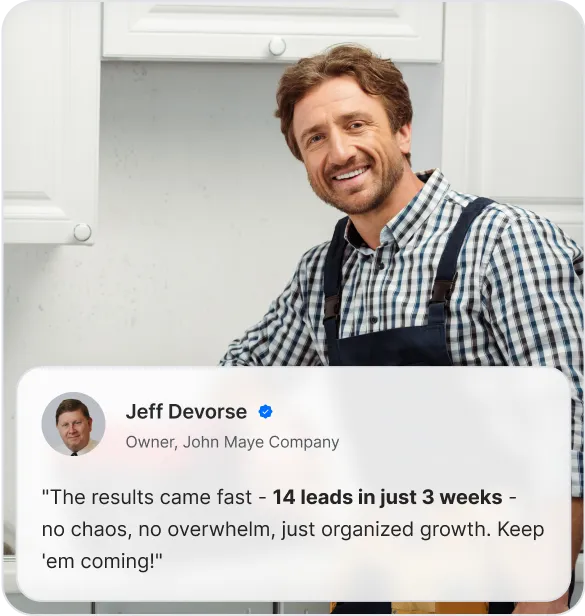
Practical Example: Packaging companies, like John Maye, a top manufacturer in the industry, have seen the clear benefits of a strategic marketing approach. By implementing an AI-powered SEO strategy, John Maye generated 25 qualified leads in just 30 days, dramatically boosting their online presence and transforming their customer engagement.
This shift from cold outreach to connecting with high-intent prospects found organically online highlights the power of aligning your packaging marketing strategy with AI-optimized content to elevate your visibility and deliver tangible business results.
Using Psychology in Packaging to Connect with Consumers
People buy feelings. Packaging plays a psychological role by triggering emotions like trust, excitement, or nostalgia. Colors, textures, and design all convey a message that goes beyond functionality.
Well-created packaging helps to build loyalty. When customers associate positive feelings with your packaging, they feel more connected to your brand.
Example: Apple’s minimalist design communicates sophistication, simplicity, and quality, core values that resonate with their audience.
Must Read: These 11 Marketing Strategies Will Build Your Small Manufacturing Business in the Future
Packaging is the first connection your brand makes with customers.
Smart content that aligns with your packaging marketing strategy is key to driving customer engagement and visibility.


10 Unique Packaging Marketing Strategies to Stand Out
In a world where products compete for attention, packaging is about telling your brand’s story and creating a lasting connection with customers.
By using packaging strategically, you can set your product apart, increase customer loyalty, and build a memorable brand experience.
1. Create Packaging That Reflects Your Brand’s Story
Consumers connect with stories. Packaging that reflects your brand's mission and values creates an emotional connection that goes beyond the product itself.
Think about your brand narrative. Are you about sustainability? Innovation? Or perhaps community? Use your packaging to tell that story consistently.
Example: SmashBrand has driven measurable packaging‑led business growth for consumer packaged goods (CPG) clients, reflecting how strategic design directly impacts market reception and revenue.
2. Add Interactive Features for Engagement
Packaging with interactive elements like QR codes or AR experiences engages customers and makes the product more fun and memorable.
Consider adding a QR code linking to exclusive content or discounts, or augmented reality features that provide extra value.
Example: PepsiCo added QR codes on its snack packaging, giving customers access to special recipes and limited-time promotions, which enhanced customer engagement beyond the product.
3. Innovate with Multi-Functional Packaging
Packaging that serves a secondary purpose after the product is consumed adds value for customers, reducing waste and increasing customer loyalty.
Design packaging that can be reused. Find ways to give your customers more value, like using a storage container or a travel-friendly bag.
Example: Blueland offers refillable cleaning products with minimalist packaging that customers can reuse, making them a more sustainable choice while reducing packaging waste.
4. Emphasize Convenience with Smart Packaging
Functional packaging that’s easy to open, store, and use improves customer satisfaction, leading to higher chances of repeat purchases.
Focus on ergonomics, resealable pouches, spill-proof caps, or easy-to-pour spouts can make your product more accessible and convenient for customers.
Example: Keurig’s coffee pods come in easy-to-use, single-serve packaging that fits perfectly in the machine, offering a seamless and quick brewing experience for busy consumers.
5. Use Personalization to Build Customer Loyalty
Personalized packaging creates a sense of intimacy and connection, making customers feel special and more likely to return.
Add a personal touch to packaging, from customized labels to handwritten notes or exclusive designs.
Example: M&M’s personalizes packaging with names or messages, creating an emotional bond with customers and driving brand affinity.
6. Design for Limited Editions to Create Urgency
Limited-edition packaging creates a sense of exclusivity and urgency, making customers feel like they need to act fast to get their hands on something unique.
Launch seasonal packaging or event-based editions that can only be purchased for a limited time.
Example: Chobani releases limited-edition flavors with unique designs, creating a sense of urgency that gets customers to act quickly before the product disappears.
7. Focus on High-Quality, Aesthetic Design
Premium packaging signals quality and exclusivity, aligning with higher-end products and providing a sophisticated look that attracts customers.
Invest in luxurious finishes like foil stamping or raised textures to communicate quality and make your product stand out on the shelf.
Example: Tiffany & Co.’s signature blue box is instantly recognized as a symbol of luxury and elegance, reinforcing the brand’s premium image.
8. Incorporate Sustainability Without Compromising Design
Eco-friendly packaging meets the growing demand for sustainability while still maintaining design appeal. It can strengthen your brand reputation and attract eco-conscious consumers.
Use recyclable materials, reduce packaging waste, and ensure your design aligns with your brand’s environmental goals.
Example: Lush Cosmetics uses minimal packaging made from 100% recycled materials and biodegradable options, which align with their sustainability efforts and resonate with their audience.
9. Create Memorable Unboxing Experiences
Unboxing is an opportunity to delight customers and encourage them to share the experience on social media, amplifying your brand reach.
Make the unboxing process feel like a gift. Use creative packing techniques, include thank-you notes, or surprise the customer with a bonus.
Example: Glossier’s packaging is intentionally designed to make every unboxing feel like a special event. From the simple, yet chic tissue paper to the personalized touches, customers love sharing the experience on social media.
10. Experiment with Packaging Shapes and Sizes
Unconventional packaging shapes and sizes can make your product stand out and become more memorable, even before customers use it.
Go beyond the standard box or bottle. Use unique shapes and distinctive sizes to create something that draws attention and stands out in-store or online.
Example: Pringles uses a cylindrical can, a unique shape that distinguishes it from other chip brands, making it instantly recognizable and easily stored.
Make your packaging strategy more than just a design decision.
Integrating AI-assisted content strategies can elevate your packaging marketing approach.
5 Packaging Functions Every Brand Should Focus On
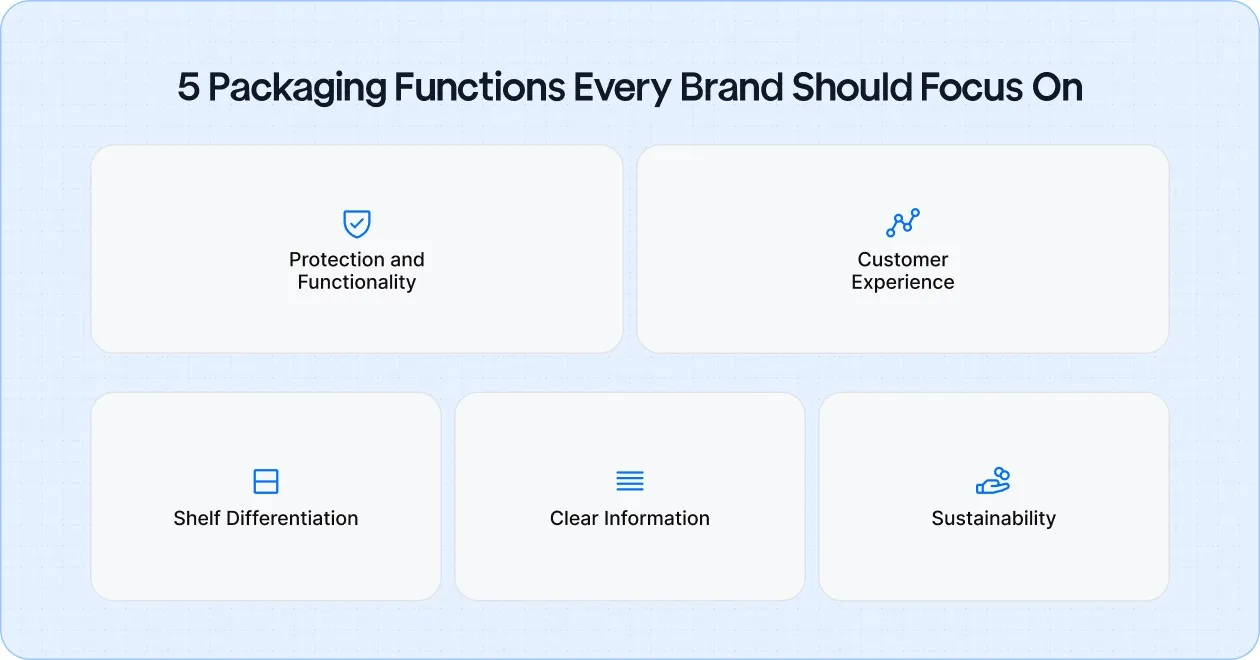
Packaging plays a crucial role in your marketing strategy and can directly impact brand recognition, customer loyalty, and sales.
1. Protection and Functionality
At its core, packaging must ensure your product arrives intact and is easy to handle. Packaging must also be functional in the customer's daily life.
Choose materials that protect without being cumbersome. Lightweight, compact, and sturdy packaging protects your product and makes it easier for customers to use and store.
Real-World Example: Nestlé's Ready-to-Drink Coffee uses a sleek, compact, and protective aluminum can. The packaging is lightweight, easy to store in the fridge, and designed to keep the product fresh while being convenient for consumers on the go.
2. Enhance the Customer Experience
Packaging shapes the entire customer experience. The easier it is for your customer to use the product, the more satisfied they will be. If your packaging is clunky or difficult to open, it can affect the entire perception of your brand.
Incorporate ergonomic features such as resealable pouches, easy-to-open seals, or functional handles. Simple changes like these make the customer’s interaction with your product easier and more enjoyable.
Real-World Example: Nespresso revolutionized the coffee pod market with its coffee and with its sleek, easy-to-use packaging that allows customers to store pods efficiently and enjoy a seamless experience every time.
3. Differentiation on the Shelf to Stand Out from the Crowd
Packaging is one of the quickest ways to make your product stand out on a shelf or in an online marketplace. A strong packaging strategy helps create instant recognition and positions your product as unique.
Use bold colors, distinct shapes, and innovative designs to break through the clutter. Packaging that is easily identifiable, even from a distance, can significantly impact how your product is perceived.
Real-World Example: Method Cleaning products use vibrant, non-traditional shapes and bold colors. Their packaging communicates cleanliness and reinforces their brand’s fun, eco-conscious identity. This allows their products to be easily spotted and recognized in a crowded category.
4. Deliver Information Clearly to Communicate with Purpose
Clear and concise information is essential. Customers shouldn’t have to search for key details like ingredients, usage instructions, or product benefits. Good packaging communicates everything clearly and at a glance.
Prioritize simplicity. Keep your labeling straightforward and easy to read, with minimal text and iconography where applicable. Organize product information to help customers make informed decisions quickly.
Real-World Example: Honest Company keeps its ingredient list and product benefits clear and easy to find on its packaging. This transparency builds trust and brand credibility, especially among health-conscious consumers.
5. Sustainability to Meet the Modern Consumer’s Expectations
Today’s consumers are increasingly environmentally conscious. Packaging that is eco-friendly or recyclable can strengthen your brand’s reputation and attract a dedicated customer base.
Incorporate sustainable materials or reduce excess packaging to align with consumer values. Even small changes, like using recyclable or compostable packaging, can have a big impact.
Real-World Example: Ranpak deploys AI‑assisted systems that optimize box packing and reduce waste, driving operational efficiencies for large clients, including Amazon and IKEA.
Must Read: SEO for Packaging Companies: Make Product Pages Rank or Stay Invisible In Search
Great marketing starts with smart content.
Aligning your packaging design with targeted, SEO-optimized content helps ensure your brand message is clear, consistent, and impactful.
Emerging Trends in Packaging Marketing for 2026
As the packaging industry evolves, staying ahead of emerging trends is essential for keeping your brand relevant and competitive. By aligning with these shifts, you can enhance customer engagement and ensure your packaging continues to stand out in the market.
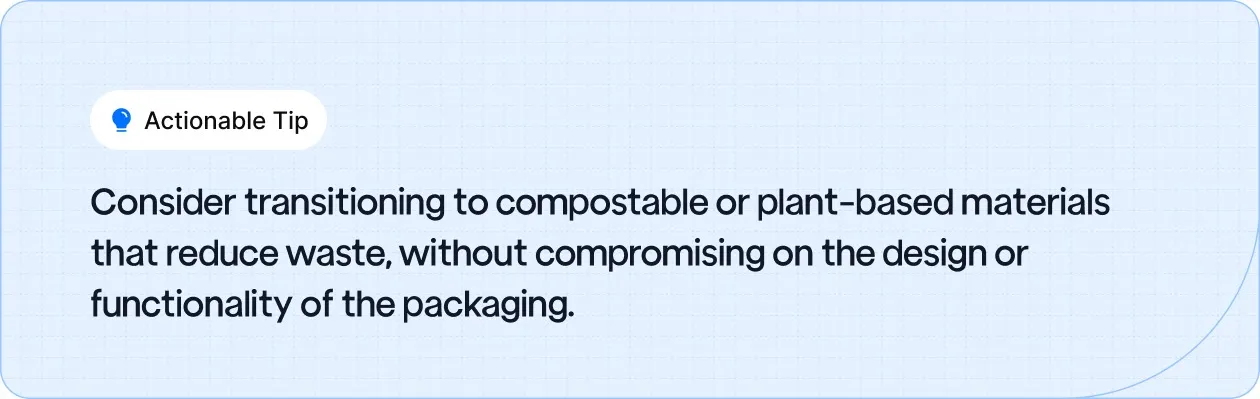
1. Sustainability: Eco-Friendly Packaging Takes Center Stage
Consumers are increasingly drawn to brands that align with their environmental values. Sustainable packaging solutions meet customer expectations and enhance your brand’s reputation and long-term growth.
The global sustainable packaging market was valued at an estimated $272.93 billion in 2023 and is projected to reach approximately $448.53 billion by 2030, growing at a CAGR of 7.6% as demand for eco‑friendly solutions rises worldwide.
There’s a noticeable rise in the demand for biodegradable, recyclable, and dissolvable materials. Consumers want packaging that reduces environmental impact, and your brand can cater to that demand.
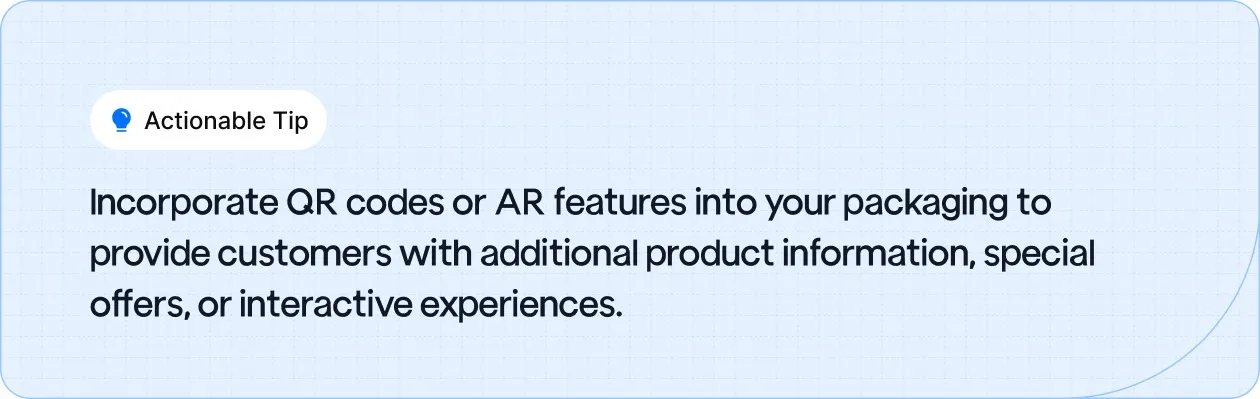
2. Digital Integration: Bridging the Gap Between Physical and Digital Worlds
Consumers spend more time online, and integrating digital experiences into your packaging can make your brand more engaging and interactive.
QR codes and augmented reality (AR) are revolutionizing how customers interact with packaging, offering an opportunity for deeper engagement through exclusive content, promotions, or behind-the-scenes brand experiences.
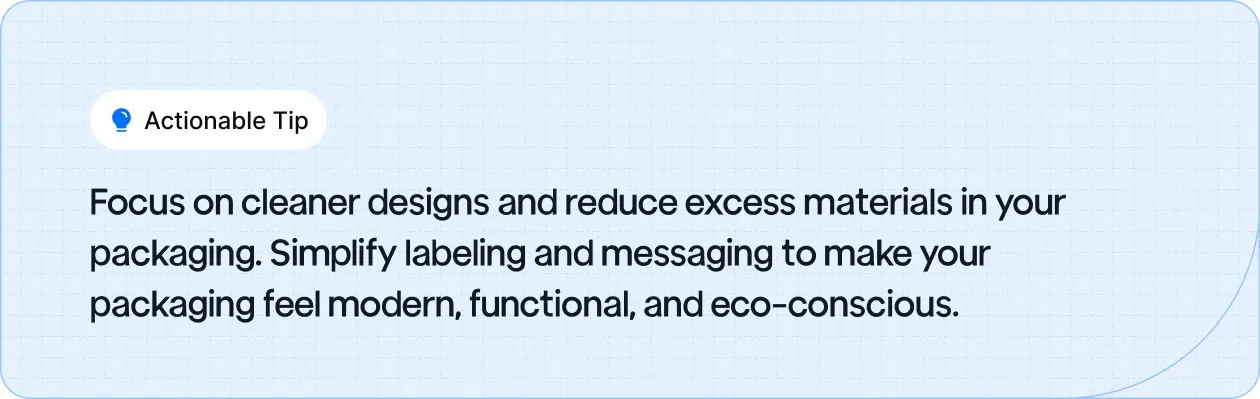
3. Minimalism: Simplicity Meets Functionality
With a growing demand for transparency and simplicity, minimalist packaging is on the rise. This trend helps reduce waste, costs, and production time, while also appealing to consumers who value clean, efficient designs.
Minimalism is moving beyond just aesthetics to include reduced material use and streamlined design that communicates both sustainability and quality.
Why These Trends Matter for Your Business?
Staying ahead of these emerging trends ensures your packHow does packaging impact customer perception?How does packaging impact customer perception?aging remains relevant in the competitive landscape of 2026. Prioritizing sustainability, digital features, or minimalist design will help you keep your packaging fresh, engaging, and aligned with consumer expectations.
Create Your Packaging Strategy for 2026
A carefully created packaging strategy is a powerful marketing tool that sets your brand apart. By tapping into trends like sustainability, digital integration, and minimalist design, you can connect with your customers on a deeper level, increase brand loyalty, and stand out in a crowded market.
Your packaging is an extension of your brand’s story and values, and when done right, it drives both engagement and sales.
Ready to see results with your packaging marketing strategy?
With Gushwork’s AI-assisted SEO strategies, the right content can elevate your packaging strategy and improve brand engagement.


.webp)






.webp)


.svg)


