










Social media marketing is a powerful tool for your construction company to showcase your work and connect with potential clients. Platforms like Instagram, Facebook, and LinkedIn and the emerging ones, allow you to highlight your projects, share updates, and engage with your community in real time.
By creating a strong online presence, you can attract new leads, build brand awareness, and create lasting relationships with customers, all with minimal investment. Social media offers a unique opportunity to grow and stand out in a competitive market.
To help you get started, here are the top-most effective strategies for making the most of social media for your construction business.
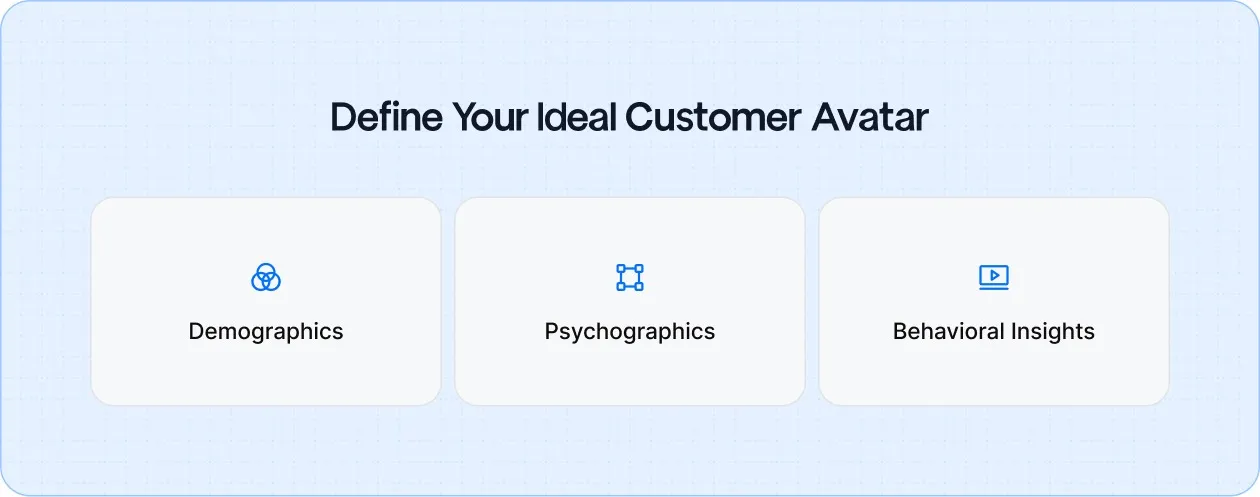
1. Define Your Ideal Customer Avatar (ICA)
The foundation of any successful marketing strategy is understanding who you're speaking to. For construction companies, your audience can vary widely; homeowners, developers, architects, and industry professionals all have different needs and goals.
Personalize your content to these specific segments to ensure your messaging resonates.
To create an effective Ideal Customer Avatar (ICA):
- Demographics: Consider age, location, job titles, and income levels.
- Psychographics: Identify their pain points, needs, and goals (e.g., are they seeking innovative construction solutions or looking for reliable contractors?).
- Behavioral Insights: Analyze social media interactions to understand what types of posts they engage with (e.g., educational tips, project showcases, etc.).
2. Choose the Right Platforms for Your Construction Business
Each social media platform offers unique strengths, and understanding which one will best help you connect with your ideal clients is crucial. By focusing on the platforms that matter most to your target audience, you can ensure that your efforts are well-spent and effective.
- LinkedIn: Perfect for B2B connections and networking with architects and developers. LinkedIn helps establish authority in the industry through project updates, insights, and professional engagement.
- Instagram: The go-to platform for visual storytelling. It’s ideal for sharing before-and-after project photos, time-lapse videos, and drone footage to captivate homeowners and clients interested in aesthetics.
- Facebook: Great for local engagement. Share updates, community events, and project promotions, reaching customers in specific geographic areas, especially homeowners seeking services.
- Pinterest & Snapchat: Pinterest is valuable for inspiration-driven posts, while Snapchat works well for quick, dynamic project updates, great for engaging younger audiences.
3. Create a Strategic Content Calendar
Consistency is key. Regular, high-quality organic content builds trust and positions your company as a credible, reliable source of information.
Without heavy reliance on ads, consistent posting helps keep your brand at the forefront of your audience’s mind.
Align Your Content with Business Objectives
Your content must serve a clear purpose, such as educating your audience, promoting your services, or building community trust. Strike a balance between:
- Educational posts: Share insights into construction techniques or industry trends.
- Promotional content: Showcase your services through case studies or testimonials.
- Engagement content: Polls, questions, and discussions that involve your audience.
4. Strategies for Building a Loyal Community
Building a loyal community requires consistent interaction with your audience. It requires building a two-way conversation that fosters trust, loyalty, and long-term engagement.
Use Surveys for Lead Qualification
Surveys help ensure you're attracting the right prospects. By asking detailed questions about a customer's needs and preferences, you can filter leads that are most likely to benefit from your services.
This saves time and ensures your efforts are focused on high-value opportunities.
Leverage Google My Business & Apple Business Connect
Both Google My Business and Apple Business Connect are critical for local visibility. These tools allow your construction company to show up in local searches, helping you connect with potential clients in your area.
Use Hashtags and Interactive Content
Hashtags make your posts more discoverable, especially when you target local and industry-specific hashtags. Interactive posts like polls or quizzes engage followers and spark conversations, making your brand more relatable.
Must Read: 10 Must-Know Content Marketing Hacks: Make Your Home Services Impossible to Overlook
5. Incorporate User-Generated Content (UGC) and Testimonials
User-generated content (UGC) is a powerful tool that showcases real customer experiences. Sharing client photos or videos of completed projects provides social proof and establishes trust.
Client Testimonials
Sharing client success stories highlights your expertise and the tangible benefits of your services. These testimonials act as proof of quality that helps build credibility.
6. Showcase Behind-the-Scenes, Build Trust and Transparency
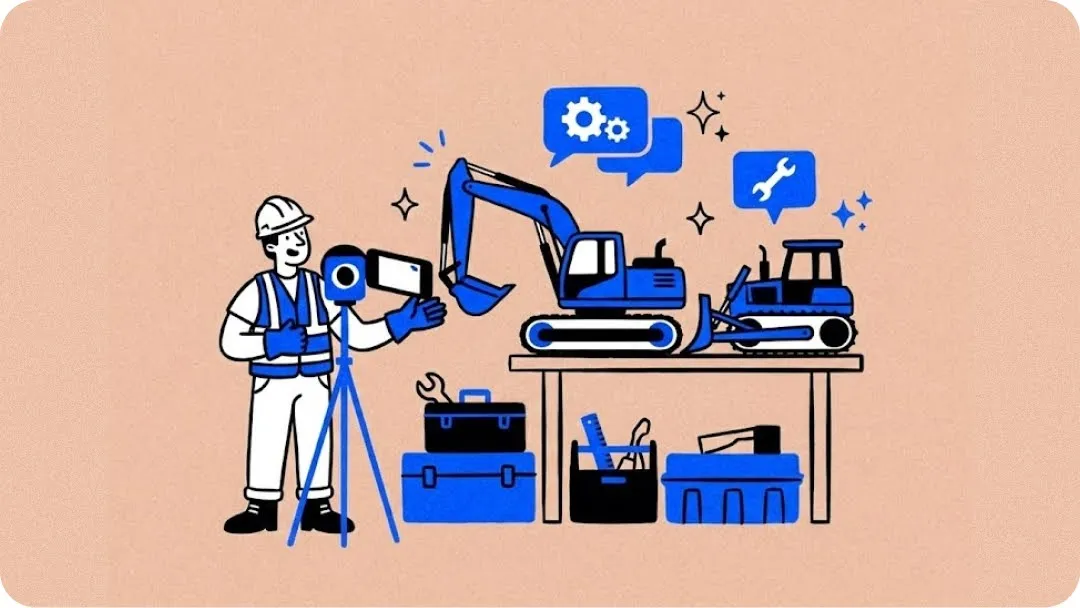
Clients value transparency and authenticity. By showcasing the behind-the-scenes process, you allow them to see your work, which builds trust and demonstrates the care and effort you put into every project.
Highlight Your Team and Projects
People want to know who’s behind the business. Showcasing your team and the work they do humanizes your brand and creates emotional connections with your audience.
Employee Spotlights
Introduce your team and celebrate their contributions. Share behind-the-scenes moments to show your company’s culture and values, which fosters a deeper connection with your audience.
7. Paid Advertising Strategies: Facebook and Google for Cost-Effective Lead Generation
Paid ads can be effective when used strategically. They can amplify your organic content and ensure that your message reaches a highly targeted audience, but it’s essential to be smart about your budget and focus on cost-effective strategies.
Cost-Effective Paid Ads
Paid advertising can be effective, but you need to target the right audience. Focus on hyper-local campaigns or specific project types. By targeting a niche audience, you ensure that your ads reach those who are most likely to require your services.
8. Automated Follow-Up Systems for Better Conversion Rates
Automating follow-ups ensures that you never miss an opportunity. By providing timely reminders and follow-ups, you streamline the process and ensure potential clients stay engaged.
Streamline the Conversion Process
Once a potential client expresses interest, don’t leave them hanging. Immediately direct them to a consultation booking page or provide them with the next step. This keeps them engaged and moves them further down the sales process.
Text Message Reminders
Automated follow-up reminders, such as text messages, help keep clients engaged. These reminders can confirm a meeting time or remind clients about upcoming services, ensuring your business stays top-of-mind.
How to Use Data to Improve Your Social Media Strategy
Data is your roadmap to refining your social media strategy. It requires understanding patterns in engagement, tracking what resonates with your audience, and making informed adjustments.
By closely monitoring key metrics and leveraging the right tools, you can optimize your content for maximum impact and engagement.
Key Metrics to Track
To continuously improve your social media strategy, focus on metrics that align with your goals. Each metric offers a unique insight into how your audience is interacting with your content and where you can make improvements:
- Engagement Rate: This tells you how effectively your audience is interacting with your posts. High engagement means your content resonates, while low engagement signals it’s time to re-evaluate.
- Lead Generation: Track how your social media efforts convert into actual interest or inquiries. This helps you gauge if your content is successfully pushing people down the sales funnel.
- Website Traffic: Is your content driving people to your website? Monitoring clicks from social media platforms to your site is crucial for determining how well your posts are leading to conversions or purchases.
- Conversion Rate: Ultimately, you want to know how many social media interactions turn into actual outcomes (consultations, sign-ups, or sales). Keep an eye on how well your content is driving the desired actions.
Tools to Track Performance
Understanding what’s working and what’s not requires the right tools. Here’s how to track and analyze performance effectively:
- Google Analytics: Beyond just tracking website traffic, Google Analytics allows you to track source/medium data. Understand exactly which social platforms are sending the most traffic to your site, and identify top-performing posts.
- Facebook/Meta Insights: Use Meta Business Suite to see engagement data, demographics of your audience, and the reach of each post. This gives you real-time data on what works and what doesn’t within the platform.
- Instagram Insights: If Instagram is one of your primary platforms, incorporate Instagram Insights to track metrics like impressions, reach, and top-performing content to adjust your strategy for better results.
- Other Free Tools: Tools like Hootsuite or Buffer offer a consolidated view of your social media performance across different platforms, making it easier to identify trends and patterns.
Actionable Tip:
Here’s how to make data analysis actionable and adjust your content strategy accordingly:
- Analyze Post Performance: Regularly assess how different types of posts perform. Are images outperforming videos? Are polls or questions driving more engagement? Use A/B testing to compare variations and determine what content type resonates the most.
- Track Trends Over Time: Look at the performance of your posts over weeks or months, not just days. Long-term trends will tell you what your audience consistently enjoys.
- Adapt and Refine: Once you identify your highest-performing content, refine your strategy to produce more of it. If certain topics or formats consistently yield better engagement or conversion, adjust your content calendar to reflect that.
Many construction companies struggle with manually sifting through multiple platforms’ insights. But with the right tools and expertise, this process can be made far simpler, and it will ensure that each post is more strategically aligned and impactful.
The Future of Social Media Marketing for Construction Companies (2026 and Beyond)
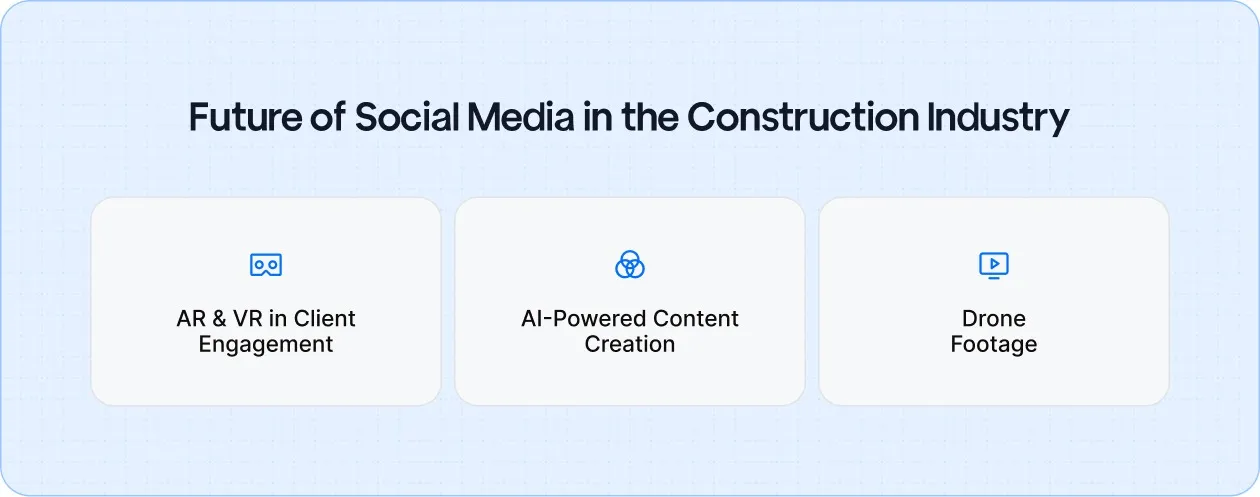
Social media marketing is continuously evolving, and staying ahead of trends can give your construction business a competitive edge. By leveraging new technologies like Augmented Reality (AR), Artificial Intelligence (AI), and drone footage, you can engage your audience in innovative ways.
These tools represent the future of how construction companies can interact with potential clients and showcase their work.
Augmented Reality (AR) and Virtual Reality (VR)
AR and VR are poised to revolutionize client engagement. These technologies allow clients to visualize projects in a more immersive way, offering virtual tours or 3D models before construction begins.
How AR/VR Can Transform Client Engagement
- Virtual walkthroughs: Clients can explore a project before it’s built.
- Interactive designs: Use AR to overlay project designs on existing spaces, making it easier for clients to understand changes.
Embracing these technologies will give your business a cutting-edge presence and help clients connect with your projects on a deeper level.
AI-Powered Content Creation
AI tools are reshaping how content is created and distributed on social media. They can automate content generation, from captions to blog posts, and help optimize your social media strategy by predicting what your audience will engage with.
How AI Improves Social Media Efficiency
- Automated content creation: AI can generate relevant content in less time, ensuring you post consistently.
- Optimized posting: AI tools suggest the best times to post for maximum engagement.
Using AI-driven tools allows your business to maintain a consistent online presence without the need for constant manual effort.
Drone Footage
Drones are transforming how construction projects are showcased. Aerial shots and time-lapse videos give your audience a unique perspective, allowing them to see the full scope of a project in a way that ground-level shots can’t.
How Drone Footage Engages Clients
- Aerial views: Showcase large projects or hard-to-reach angles.
- Time-lapse footage: Capture the evolution of your projects, adding storytelling value.
Drone footage is both engaging and highly shareable, making it perfect for increasing visibility on social media.
Must Read: 15 Proven Construction Industry Marketing Strategies for Business Growth
How SEO and SMM Work Together to Strengthen Your Construction Business
SEO (Search Engine Optimization) and SMM (Social Media Marketing) are essential for building a strong digital presence for your construction business. While SEO helps your website rank higher in search results, driving organic traffic, SMM builds relationships and engagement on platforms like Facebook, Instagram, and LinkedIn. Together, they create a powerful strategy that enhances visibility and generates leads.
Here’s how SEO and SMM complement each other:
- SEO: Increases your website’s visibility on search engines, bringing in qualified, organic traffic.
- SMM: Engages your audience on social platforms, fostering trust and increasing brand awareness.
By combining SEO and SMM:
- You increase visibility across multiple channels
- Build trust with your audience
- Drive more qualified leads
Achieving the best results from both SEO and SMM requires a cohesive strategy and expertise to implement effectively.
Looking to enhance your SEO to align with Social Media?
You are at the right place. Gushwork creates SEO-optimized content that drives website traffic, improves engagement, and strengthens your online presence to support your social media efforts.




.webp)






.webp)


.svg)


