In the roofing business, the real work begins when you make sure people in your community know who you are and why they should choose you when their roof needs repair or replacement.
With storm damage, leaks, worn-out shingles, seasonal maintenance, and those unexpected roofing emergencies, homeowners are constantly searching for a reliable, trustworthy roofer.
But with so many options out there, how do you stand out? Let’s dive into 56 roofing marketing ideas that will help you connect with more clients, build your reputation, and grow your business in 2026.
Building a Strong Online Presence
A strong online presence is the foundation of any successful roofing business. With an optimized website, effective SEO strategies, and active business listings, you can increase visibility, attract the right customers, and build trust.
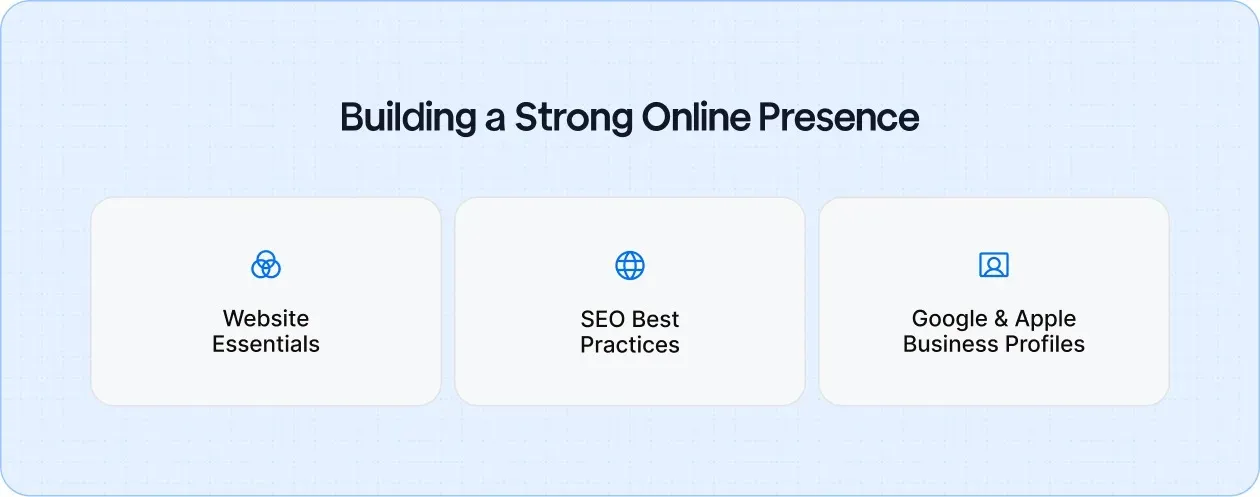
Here's how to create a website that attracts attention and converts visitors into loyal clients.
a) Website Essentials
1. Clear, user-friendly design with easy navigation: Your website should be simple to navigate, allowing users to find information effortlessly.
2. Display your contact info and services on every page: Make sure your contact details are visible throughout the site to drive easy access for potential customers.
3. Show before/after photos and client testimonials prominently: Real-life proof of your work goes a long way in building trust with visitors.
b) SEO Best Practices (For Long-Term Results)
4. Conduct keyword research personalized to roofing services (e.g., “roof leak repair near me”): Target search terms that your customers are using to find services like yours.
5. Optimize for local SEO by targeting location-based keywords (e.g., “roofing contractors in New York”): Make sure you’re visible for customers searching specifically in your area.
6. Use schema markup to enhance visibility in search results: Implement schema to help search engines better understand your business and improve your site’s visibility.
7. Build backlinks by collaborating with local businesses and organizations: Work with local businesses to exchange links, helping your site rank better.
8. Ensure your website is mobile-friendly for a seamless user experience: A mobile-friendly site ensures that visitors have a smooth experience no matter what device they use.
c) Google Business Profile & Apple Business Connect
9. Claim and optimize both Google Business Profile and Apple Business Connect listings: Keep your information consistent across both to enhance your online presence.
10. Upload high-quality photos of your roofing projects: A picture is worth a thousand words. Showcase your work with professional photos.
11. Ensure your business details are accurate and up-to-date to prevent confusion and build trust with potential customers.
12. Respond to reviews to build customer trust by showing that you care about customer feedback.
13. Highlight your unique services on both profiles to stand out from your competitors in local searches.
Social Media Marketing
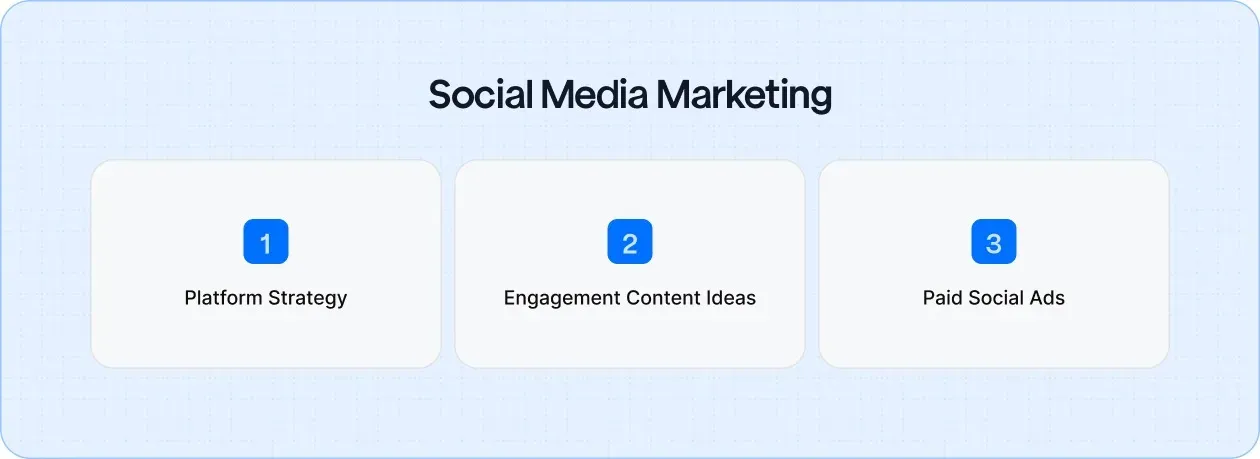
By creating engaging content personalized to different platforms and incorporating paid ads, you can increase your reach and show your community that you're the go-to expert for their roofing needs.
Here’s how to take your social media strategy to the next level and create a consistent, valuable presence online.
a) Social Media Platform Strategy
14. Focus on Facebook for local engagement with homeowners in your area: Connect with the local community and showcase your expertise.
15. Instagram for showcasing project photos, time-lapse videos, and customer testimonials: Visuals work well to capture attention and establish your authority.
16. TikTok for fun, behind-the-scenes roofing content and project reveals: Engage younger audiences with light-hearted, fun content showcasing your team and projects.
17. YouTube for educational roofing tutorials and project walkthroughs: Offer value to your followers with how-to guides and tips.
b) Content Ideas to Improve Engagement
18. Share before-and-after photos of completed roofing projects: Show real results and let your work speak for itself.
19. Post roofing tips, maintenance advice, and solutions for common roofing issues: Educate your audience and position yourself as a helpful resource.
20. Go live to answer customer questions or show your roofing processes: Live interactions help to humanize your brand and build trust.
21. Share user-generated content (e.g., customers tagging you after a job completion): Let your satisfied customers spread the word.
c) Paid Social Ads
22. Target Facebook ads to homeowners in your local area who need roof repairs or replacements: Focus on your community for a more personalized approach.
23. Use Instagram Stories ads to highlight limited-time promotions and specials: Create urgency with time-sensitive offers.
24. Run TikTok ads to showcase roofing projects and seasonal discounts: Reach a wider, younger audience while promoting your services.
Referral Marketing: A Roofing Business Game Changer
Referral marketing is one of the most effective ways to grow your roofing business, turning satisfied customers into your best salespeople. By creating easy-to-use referral programs, partnering with local vendors, and tapping into third-party platforms, you can increase leads and expand your customer base without spending a fortune on advertising.
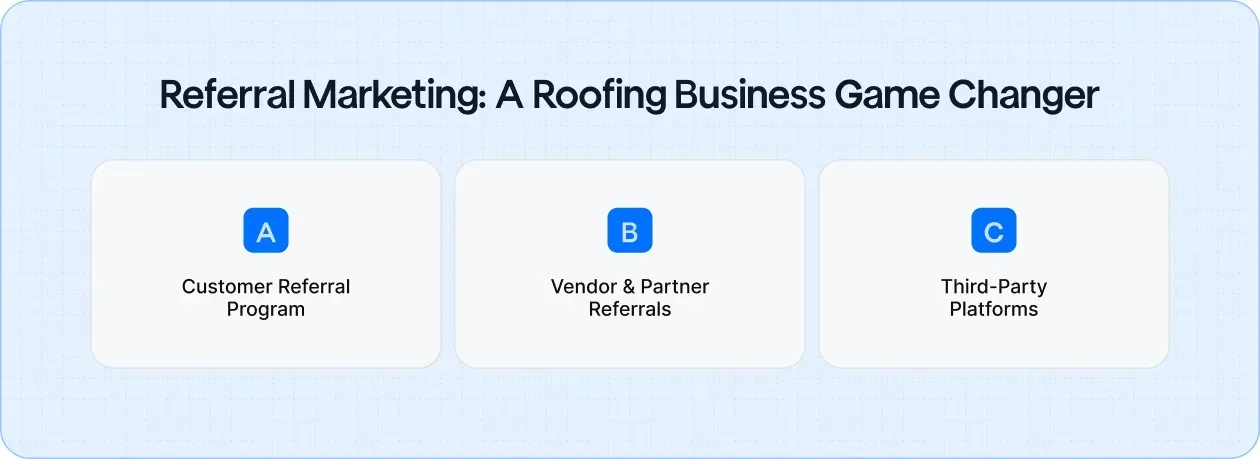
Here’s how to turn word-of-mouth into a powerful growth tool for your business.
a) Building an Effective Customer Referral Program
25. Offer discounts or free services for successful referrals (e.g., free roof inspection): Incentivize your customers to spread the word and reward them for their loyalty.
26. Automate referral requests via text or email once a job is complete: Streamline the process and make it easy for customers to refer others.
27. Make it easy for customers to refer friends by using a simple system: Keep your referral process simple so that clients can easily share.
b) Vendor & Partner Referrals
28. Partner with real estate agents for mutual referrals (e.g., roof inspections for homes on the market): Strengthen relationships with other local businesses for shared referrals.
29. Collaborate with insurance agents to get post-storm repair referrals: Insurance agents can be valuable partners for driving business after major weather events.
30. Work with other contractors (plumbers, electricians) to cross-promote services: Create win-win partnerships by referring customers to each other.
c) Third-party Referral Platforms
31. Get listed on platforms like Angi, Thumbtack, and Yelp to drive inbound leads: These platforms help you reach customers who are actively looking for roofing services.
Word of Mouth & Community Engagement
Word of mouth and community engagement is one of the most authentic ways to generate new business. By tapping into local networks, sponsoring events, and offering personalized services, you can build strong connections and establish yourself as a trusted roofer in your community.
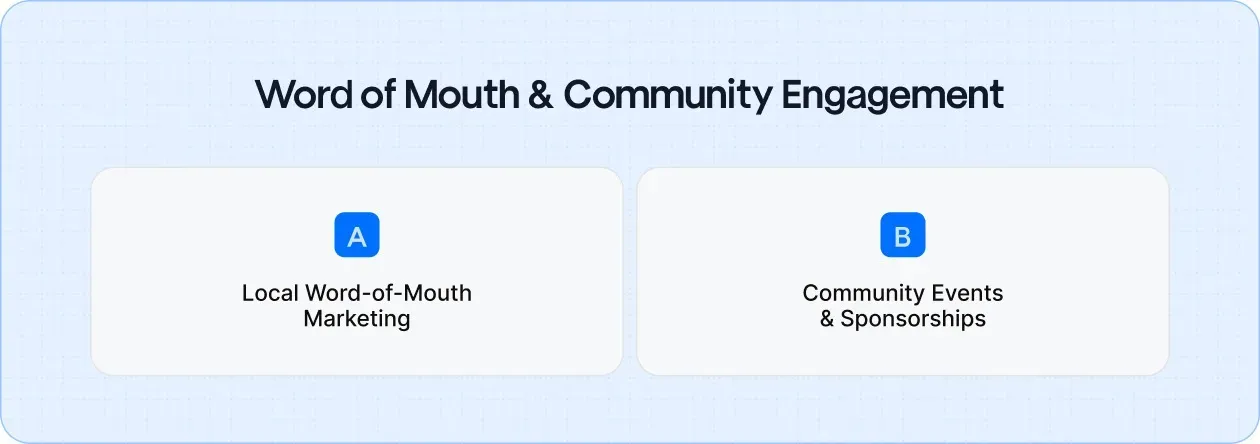
Here’s how to make the most of local marketing and community involvement to enhance your business.
a) Local Word-of-Mouth Marketing
32. Offer yard sign discounts to customers who let you place a sign on their property: A yard sign can advertise your business to neighbors and passersby.
33. Door-knock in neighborhoods that need roofing services (especially after a storm): Personalized outreach can make a significant impact, especially in post-storm areas.
34. Create a sales pitch that focuses on solving common roofing issues: Address the homeowner’s concerns directly to increase the likelihood of a conversion.
35. Attend local networking events to meet potential customers: Get involved in your community to increase your reach and build trust.
36. Use your vehicle as a mobile billboard with wraps or magnetic signs: Turn every trip into an opportunity to advertise your roofing services.
b) Community Events & Sponsorships
37. Sponsor local sports teams or school events to improve brand recognition: Show support for your community while marketing your services.
38. Host roof maintenance workshops or informational sessions at community centers: Provide value and educate homeowners while showcasing your expertise.
39. Participate in charity events and contribute to local causes to build goodwill: Demonstrate your commitment to the community while indirectly marketing your business.
Email Marketing & Customer Retention
Email marketing is a powerful tool for staying connected with your customers and keeping them engaged throughout their roofing journey.
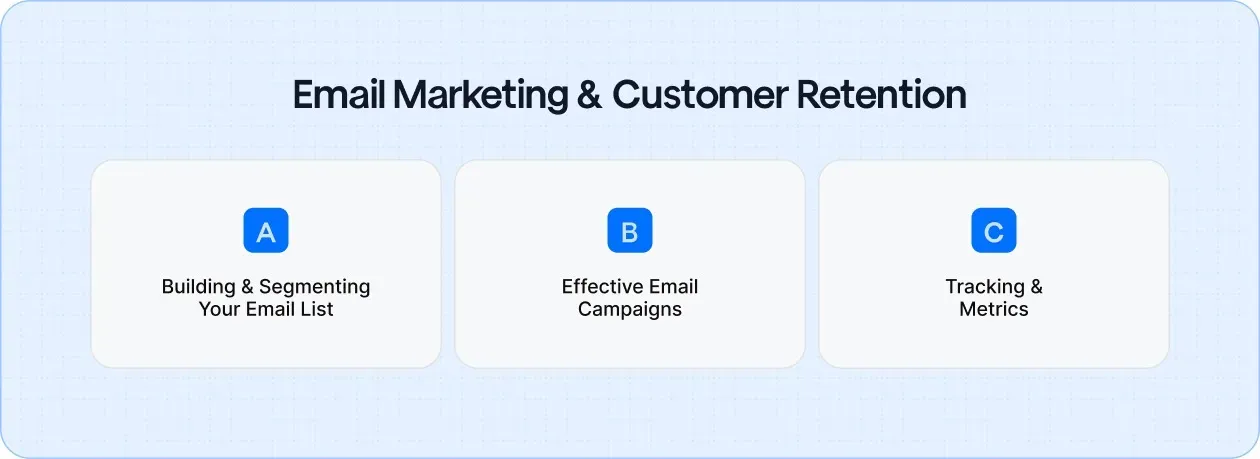
Here’s how to effectively incorporate email to retain customers and improve your marketing efforts.
a) Building & Segmenting Your Email List
40. Collect emails through website sign-ups and after-job consultations: Build your list early and keep customers informed about your services.
41. Incentivize sign-ups with discounts, free guides, or valuable content: Entice potential customers to subscribe with something valuable.
42. Segment your email list by customer stage (leads, completed projects, repeat clients): Personalize your content to where your customer is in their journey.
b) Effective Email Campaigns
43. Send seasonal promotions, educational content, or roofing maintenance tips: Stay top-of-mind by offering timely and helpful emails.
44. Share customer success stories and project updates to keep clients engaged: People love real stories that showcase the work you've done and its impact.
45. Use automated email sequences to stay top-of-mind with previous customers: Automated campaigns help you nurture relationships and keep customers coming back.
c) Tracking & Metrics
46. Track open rates, click rates, and conversion rates to optimize email performance: Analyze performance and adjust strategies for better results.
Paid Advertising: PPC & Retargeting Strategies
Paid advertising and retargeting strategies are essential for reaching the right customers at the right time.
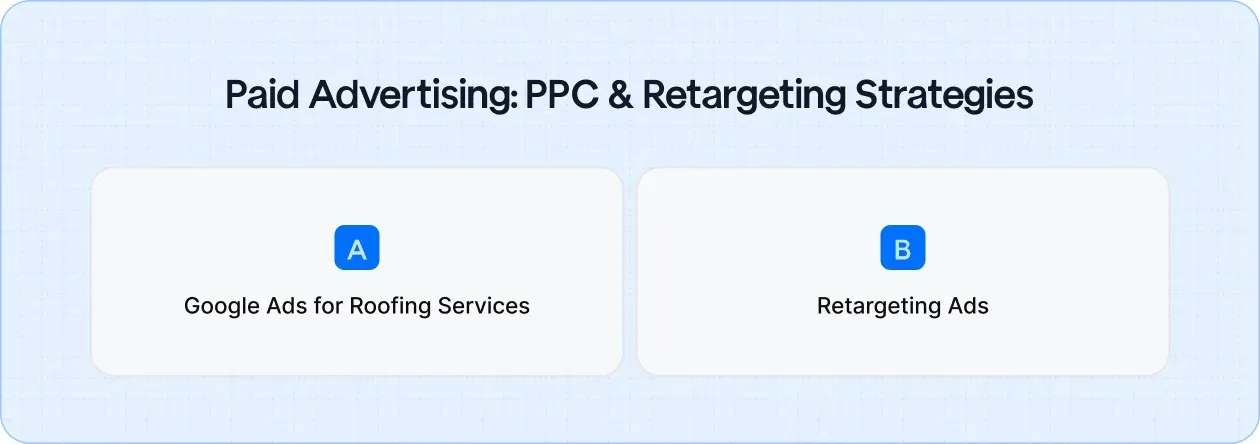
Here’s how to optimize your PPC and retargeting campaigns for the best results.
a) Google Ads for Roofing Services
47. Use PPC ads targeting high-conversion keywords like “roof replacement near me” to capture customers actively searching for your services.
48. Use location-based targeting to focus ads on specific neighborhoods and ZIP codes: Narrow down on your service area to make sure your ads are reaching the right people.
49. Create separate campaigns for emergency roof repairs and routine maintenance: Segment your campaigns to ensure the right message reaches the right audience.
50. Monitor ad performance and adjust bids and copy for better ROI: Continuously improve your campaigns to maximize the return on your investment.
b) Retargeting Ads
51. Set up retargeting ads to bring back website visitors who didn’t convert: Recapture interested visitors and turn them into customers.
52. Use dynamic retargeting to show personalized roofing service ads based on their previous actions: Display ads personalized to each individual’s interactions with your site.
Seasonal Roofing Marketing Ideas
Seasonal promotions and timely content can set your roofing business apart during key times of the year. By targeting specific needs like storm damage or seasonal maintenance, you position yourself as the trusted expert when customers need you most.
Here’s how to capitalize on these opportunities and keep your business top-of-mind all year round.
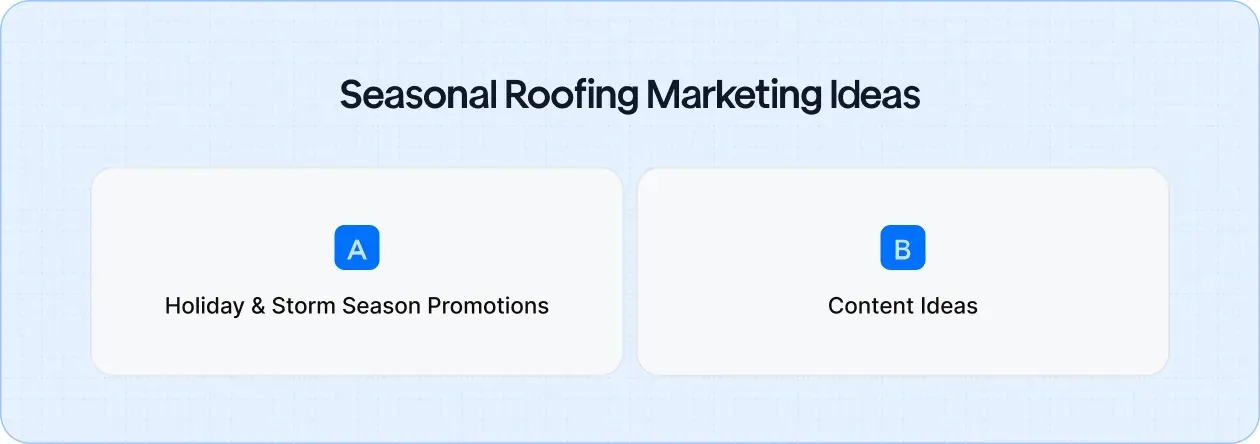
a) Holiday & Storm Season Promotions
53. Offer a limited-time discount for roof inspections during the winter season: Attract customers who are preparing for the colder months.
54. Promote storm damage repairs immediately after major weather events: Be quick to respond to storm-related inquiries and position yourself as the go-to roofer in the area.
55. Run seasonal offers to encourage customers to book services before peak seasons: Create urgency with seasonal promotions to fill your schedule.
b) Content Ideas
56. Share roof care tips specific to each season (e.g., how to prepare for winter storms): Help homeowners protect their roofs by providing seasonally relevant tips.
Must Read: Stop Running After Leads, Start Attracting Them: 10 Easy Roofing Tips
Types of Roofing Marketing: Traditional vs. Digital
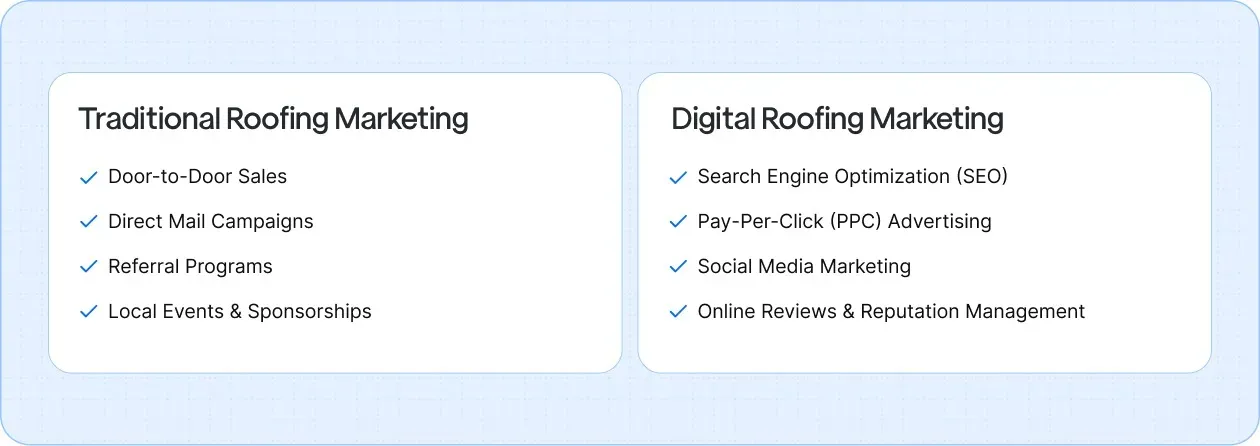
Traditional and digital marketing each offer unique ways to connect with potential customers and grow your roofing business. Here’s how you can use both strategies effectively in 2026.
Traditional Roofing Marketing
- Door-to-Door Sales: Establish face-to-face relationships, especially after storms, and directly engage with homeowners who need roofing services.
- Direct Mail Campaigns: Target local neighborhoods with postcards or flyers, ensuring your services are visible when homeowners need them most.
- Referral Programs: Leverage satisfied customers to spread the word. A referral from a neighbor or friend is powerful, especially in tight-knit communities.
- Local Events & Sponsorships: Sponsor sports teams or community events to increase brand recognition and build trust with homeowners near you.
Digital Roofing Marketing
- Search Engine Optimization (SEO): Ensure your website appears when people search for roofers in your area, helping you capture high-intent leads.
- Pay-Per-Click (PPC) Advertising: Use targeted ads to reach people actively searching for roofing services. Pay for visibility on platforms like Google and social media.
- Social Media Marketing: Engage potential customers on Facebook, Instagram, and TikTok with project showcases, customer stories, and tips.
- Online Reviews & Reputation Management: Build trust by responding to reviews and maintaining a positive online presence. Positive feedback is essential for your digital reputation.
Traditional vs. Digital Marketing: A Quick Comparison
| Aspect | Traditional Marketing | Digital Marketing |
|---|---|---|
| Cost-Effectiveness | More budget-friendly for local reach. | Higher return on investment with measurable results. |
| Long-Term vs. Immediate Results | Takes longer to build momentum. | Delivers instant results, especially with paid ads. |
Simplify Your Roofing Marketing with AI-Powered Platforms
AI is revolutionizing roofing marketing by automating tasks like content generation and SEO optimization, allowing you to target the right audience more effectively. With tools like lead scoring and predictive analytics, you can make smarter, data-driven decisions that maximize your ROI and streamline your efforts.
With the 56 roofing marketing ideas shared in this guide, you now have the tools to enhance visibility, generate leads, and build long-term relationships. Gushwork’s AI-powered SEO and content solutions simplify your marketing, so you can focus on growing your business.