









You’ve probably noticed it yourself; one quarter, your inbox is packed with leads; the next, it’s silent. The issue isn’t your product quality or delivery timelines. It’s visibility. Your next buyer can’t find you.
In manufacturing, where purchase cycles are long and each order represents a major investment, relying on referrals or the occasional trade show no longer guarantees steady growth.

Many manufacturers attract plenty of website visitors but very few genuine prospects. Most leave before submitting a quote request because the outreach brings in browsers, not buyers.
This guide on 10 ways to generate leads for your manufacturing business shares proven strategies for manufacturers, machine shops, fabricators, and equipment suppliers seeking steady, qualified leads from buyers who value precision and reliability.
1. Build Buyer Personas and Define Your Ideal Customer Profile (ICP)
Every successful sales effort begins with clarity. Before investing in ads or social media, define exactly who you want to attract.
A lead is a potential buyer who has shown genuine interest, maybe they downloaded a catalog or filled out a lead form. It’s not every visitor who lands on your site, but the ones with real purchase intent.
Too often, manufacturers chase “anyone who needs fabrication” and waste time on non-buyers, such as students or hobbyists. Defining your Ideal Customer Profile (ICP) prevents that confusion.
Your ICP includes:
- The industry you serve best
- The company size you want to work with
- The decision-maker’s role (procurement head, plant manager, etc.)
- Their pain points (tight deadlines, supplier reliability, material quality)
Example: A CNC tooling supplier focusing on aerospace manufacturers might target plant managers who struggle with late deliveries from existing vendors.
Defining your ICP is the start.
Creating content that attracts, nurtures, and converts those ideal buyers is where real growth begins with Gushwork.


2. Turn Your Website into a Lead-Generating Machine
Your website shouldn’t be a digital catalog, it should be your best salesperson working 24/7.
Traffic refers to the number of people visiting your site. But qualified traffic means visitors who genuinely need what you sell. The goal is to have better visitors who can convert into leads.
Your homepage is like your showroom. If it’s cluttered, unclear, or hard to navigate, visitors will leave without asking a single question.
To turn visitors into inquiries, include:
- A clear headline explaining what you offer and for whom
- Short leads or contact forms, only essential fields
- Project visuals and testimonials that build trust
- Certifications that prove quality
- Live chat for quick queries
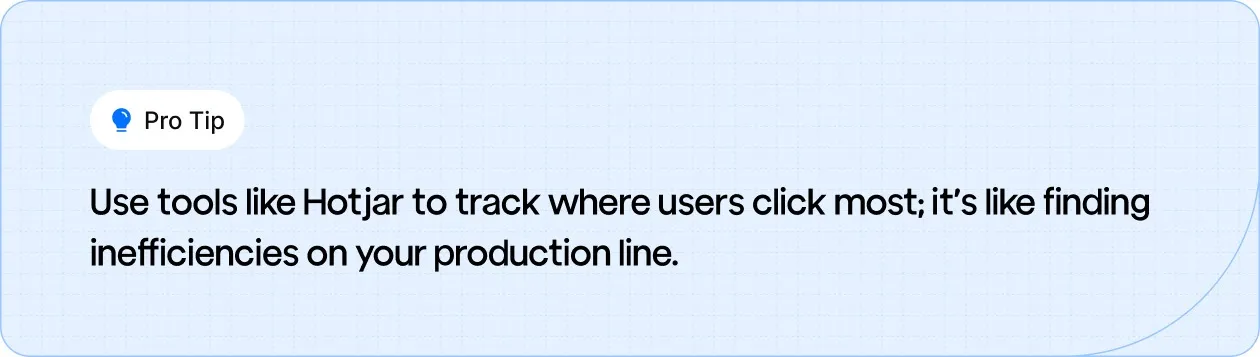
Your website should convert curiosity into action.
Use performance-driven content and smart workflows to make every visit count.
3. Create SEO-Optimized Content That Solves Real Problems
Your buyers are looking for solutions. SEO (Search Engine Optimization) helps them find you when they search online. It’s the process of making your website and blogs appear when buyers Google things like “custom precision machining supplier USA.”
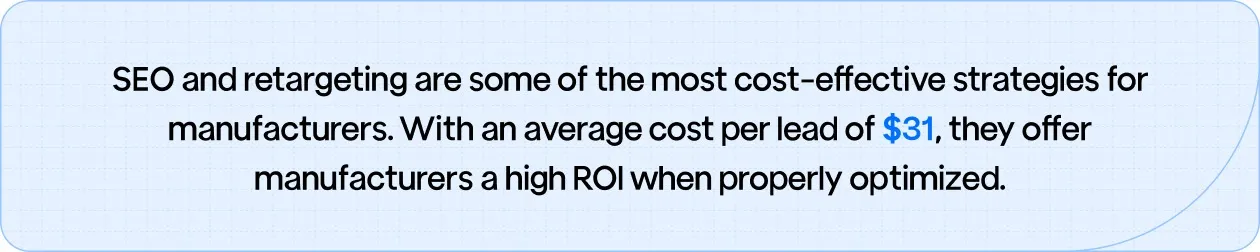
Your content is your sales pitch that runs even when you’re offline. The right topics attract serious decision-makers:
- Maintenance guides that solve recurring issues
- Material comparison blogs to help with design choices
- Cost breakdowns that build transparency
- Case studies showing real project outcomes

4. Use LinkedIn as a Relationship Tool, Not a Billboard
LinkedIn has become the online version of a trade floor for manufacturers, but it works only when you engage, not when you broadcast.
A small machining company once started sharing real stories about production challenges solved on the shop floor. Within weeks, plant heads and buyers began messaging directly for quotes.
To make LinkedIn work for you:
- Use Sales Navigator to find decision-makers by industry or job title.
- Personalize every message. Avoid “copy-paste” pitches.
- Post short videos or photos from your facility.
- Share quick problem-solving insights from your team.
5. Run Paid Ad Campaigns That Target the Right Buyers
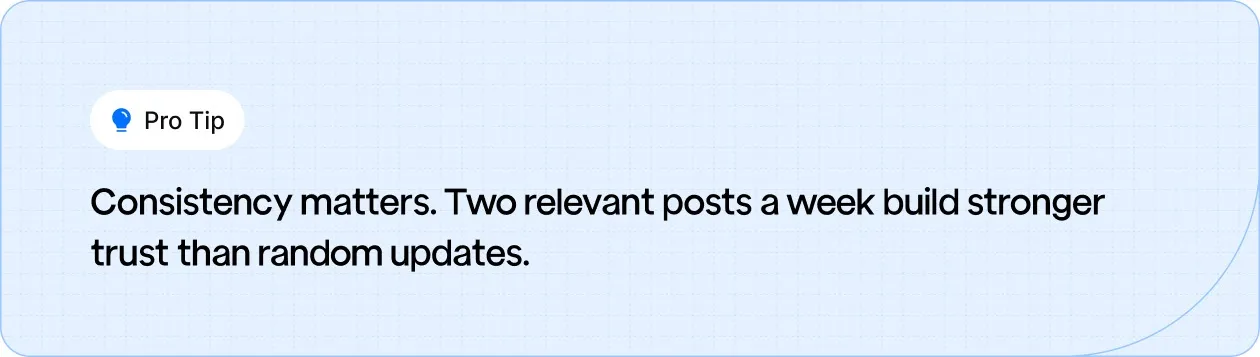
PPC (Pay-Per-Click) advertising means you pay only when someone clicks your ad, not for empty views. It’s one of the fastest ways to reach buyers already searching for your product.
Think of it as placing a spotlight above your brand when a potential buyer types “ISO-certified injection molding company.”
Start small and focus on:
- Google Ads to reach active searchers
- LinkedIn Ads to target by company role or industry
- Retargeting to re-engage visitors who didn’t inquire the first time
Must Read: Top 5 Lead Generation Companies for Manufacturers to Boost Your Sales

6. Use Email Marketing and Automation to Nurture Leads
Not every lead is ready to buy immediately. Email nurturing helps you stay top-of-mind until they are.
Email marketing is simply sending helpful, relevant updates to potential buyers over time. It builds familiarity and credibility without constant selling.
A fabrication firm that sent short monthly updates, like project photos, design tips, and new certifications, saw past prospects return with fresh leads.
Automation tools can help you:
- Send a welcome email after brochure downloads
- Follow up after quotes automatically
- Reconnect with inactive contacts with updates or offers
7. Host Webinars, Demos, or Virtual Plant Tours
Buyers trust what they can see. Webinars and demos give them that confidence before they even visit your facility.
A metal finishing company once hosted a 30-minute online demo showing its testing and coating process. The result? 80 qualified leads in one week.
Ideas that work:
- “Ask the Engineer” sessions where prospects ask questions live
- Virtual facility tours showing your processes
- Partner training sessions for distributors or vendors
8. Combine Trade Shows with Digital Follow-Ups
Trade shows build relationships, but most companies lose momentum afterwards.
A sheet-metal manufacturer used QR codes at its booth to collect visitor data, synced it to their CRM, and sent personalized follow-ups within 24 hours. The outcome: conversions doubled.
To make the most of events:
- Collect visitor data digitally (QRs, tablets)
- Send thank-you emails quickly
- Retarget attendees with LinkedIn or Google Ads

9. Build Strategic Partnerships and Referral Channels
In manufacturing, your best new customer often comes from someone who already trusts you.
A parts supplier once partnered with a logistics company. They cross-referred clients, creating a steady pipeline without extra marketing cost.
Try this:
- Co-host webinars or publish joint success stories.
- Include partner promotions in newsletters.
- Offer incentives for customer referrals.

10. Measure, Optimize, and Automate Lead Generation
You can’t improve what you don’t measure. Analytics show where your leads come from and which channels deliver real results.
A manufacturer noticed that LinkedIn traffic converted twice as well as Google Ads clicks. After shifting its budget, it doubled leads in six months.
Track these key metrics:
- Source of leads (SEO, ads, trade shows, etc.)
- Cost per lead (your marketing spend per qualified inquiry)
- Conversion rate (percentage of visitors who submit RFQs)
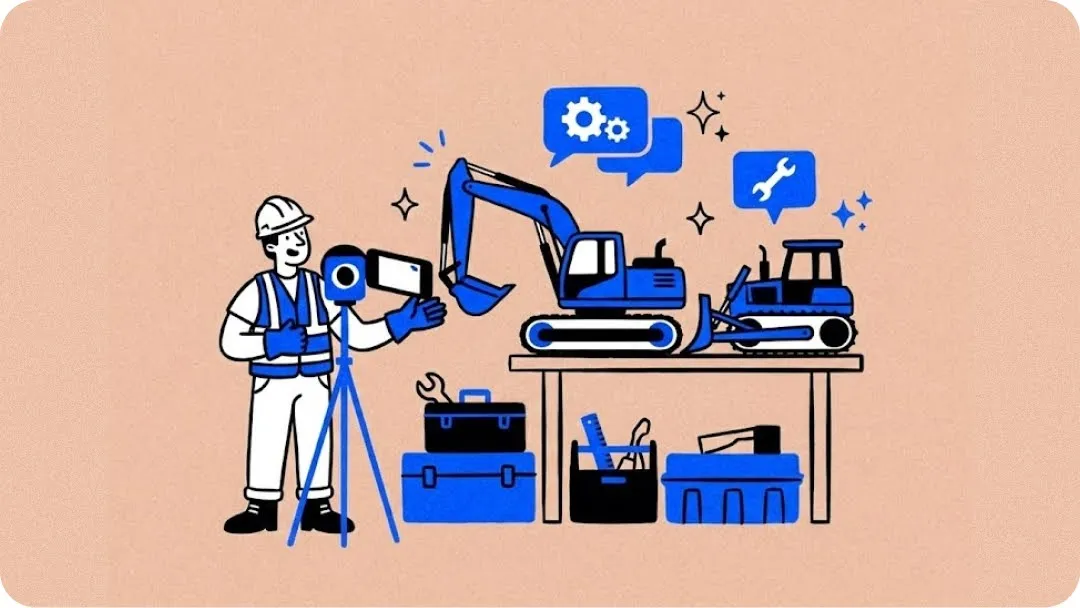
Turn Your Manufacturing Expertise into a Lead Engine
You already know what precision means; it’s what keeps your machines running, your deliveries on time, and your customers coming back. But growth doesn’t happen by chance; it happens by process.
The manufacturers thriving today aren’t relying on luck or referrals; they’ve built systems that attract and convert qualified buyers like clockwork.
Your production line is optimized to deliver consistent output. Your marketing should work the same way: predictable, measurable, and built to run smoothly without constant supervision.
If you are ready to create a marketing system that works as efficiently as your factory floor, Gushwork can help.
FAQs
Q1: How can I generate leads for my manufacturing business without a big marketing budget?
A1: Start by optimizing your LinkedIn profile and engaging in industry-specific groups. Utilize advanced search filters to identify decision-makers in your target industries. Share valuable content, such as case studies or technical insights, to establish credibility and attract potential leads. Additionally, consider attending virtual trade shows or webinars to network with prospects.
Q2: What are the most effective lead generation strategies for manufacturers in 2025?
A2: Focus on digital marketing tactics like search engine optimization (SEO) to improve your website's visibility. Create content that addresses common industry challenges and showcases your expertise. Leverage social media platforms to engage with your audience and participate in relevant discussions. Implementing a customer relationship management (CRM) system can also help streamline follow-ups and manage leads efficiently.
Q3: How can I identify my ideal customers in the manufacturing sector?
A3: Develop buyer personas by analyzing your existing customer base and identifying common characteristics such as industry, company size, and purchasing behavior. Utilize tools like LinkedIn's advanced search to find prospects that match these profiles. Engage with industry-specific forums and groups to gain insights into potential customers' needs and challenges.
Q4: Is cold emailing an effective method for generating leads in manufacturing?
A4: Yes, when done correctly. Craft personalized emails that address the specific needs and pain points of your target audience. Avoid generic templates; instead, focus on how your product or service can provide value. Tools like Apollo and Saleshandy can assist in automating and tracking your outreach efforts.
Q5: How can I use my website to attract more qualified leads?
A5: Ensure your website is user-friendly and optimized for search engines. Include clear calls-to-action, such as request forms or contact information, to encourage visitor engagement. Showcase testimonials, case studies, and detailed product information to build trust with potential leads.
Q6: What role do trade shows play in lead generation for manufacturers?
A6: Trade shows offer opportunities to showcase your products and network with potential clients. Collect contact information from visitors and follow up promptly after the event. Integrating digital tools, like QR codes, can streamline the process of capturing leads and enhance post-event engagement.
Q7: How can I measure the effectiveness of my lead generation efforts?
A7: Track key performance indicators (KPIs) such as website traffic, conversion rates, and the number of qualified leads generated. Utilize analytics tools to assess the performance of different marketing channels and adjust your strategies accordingly. Regularly reviewing these metrics can help optimize your lead generation process.

.webp)







.webp)


.svg)


