










For manufacturers, sales teams often spend more time on administrative tasks, like data entry and follow-ups, than engaging with high-value prospects.
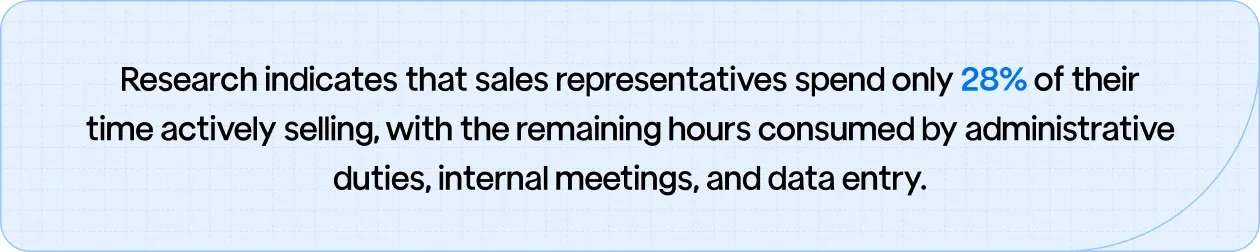
This leaves little time for focusing on what matters: building relationships and closing deals. Sales enablement automation can eliminate these manual tasks, allowing your team to focus on driving results.
This guide will explore 10 strategies to help streamline your sales process, enhance team efficiency, and close more deals.
1. Automate Time-Consuming Manual Sales Tasks
In manufacturing sales, the sheer volume of administrative tasks, like inputting data, scheduling meetings, and sending follow-up emails, can weigh down sales teams.
These tasks are time-consuming and often distract from core activities such as nurturing leads and closing deals.
Sales enablement automation removes these blockages by handling the repetitive work, so your team can focus on high-impact sales activities.
Also Read: Sales Enablement for Manufacturing: 5 No-Nonsense Ideas
2. Personalize Your Outreach Using Automation
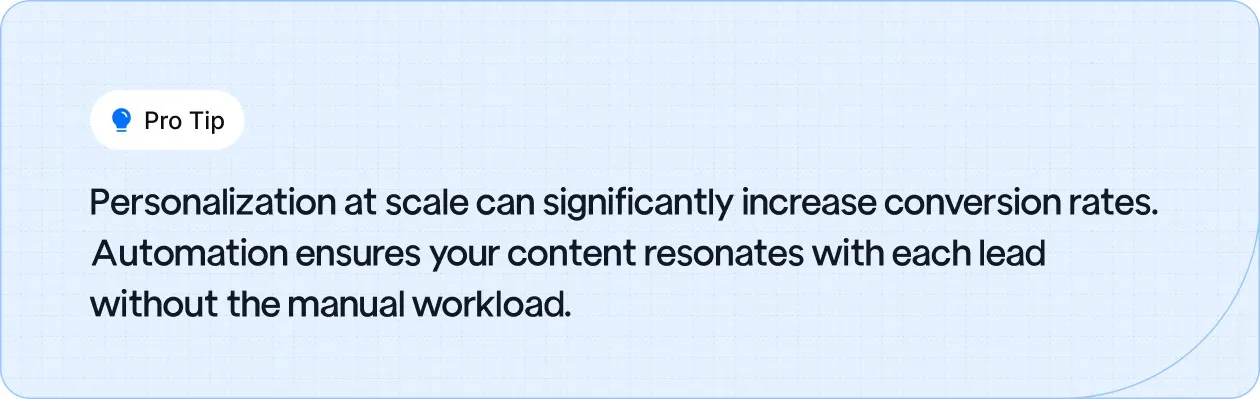
Personalized outreach is essential for engaging prospects, but crafting individual emails and nurture sequences can be time-consuming, especially with large prospect lists.
Sales enablement automation helps streamline this by tailoring content and follow-ups based on individual lead behavior and engagement.
3. Streamline Content Management and Delivery
Sales teams often struggle to find the right content when they need it, wasting valuable time.
By centralizing and automating content delivery, sales enablement tools give reps instant access to the latest resources and product info, boosting efficiency and consistency.
In a relevant Reddit thread, a sales professional shared their frustration with a disorganized content management system: "We spent hours hunting for case studies, pricing sheets, and materials across Google Docs and emails.
It was like playing a treasure hunt, but with no treasure at the end. It wasn’t just a time waster; it hurt our chances with prospects because we couldn't get the right resources in front of them quickly.”
This is a common challenge, and Gushwork addresses this directly by centralizing your content, streamlining access, and ensuring your team always has the most relevant, up-to-date materials at their fingertips. This simple shift allows reps to focus on what matters, connecting with leads and closing deals faster.

4. Automate Lead Scoring and Prioritization
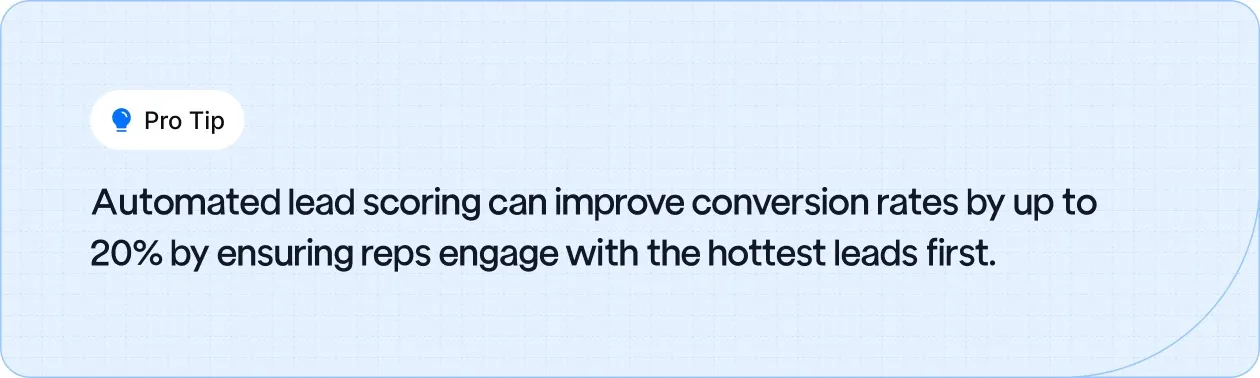
Tracking and scoring leads manually is labor-intensive and results in missed opportunities. Sales enablement automation can take the guesswork out of lead prioritization, scoring and ranking leads based on engagement and behavior.
5. Improve Sales Coaching with AI-Powered Insights
Coaching is crucial to driving sales performance, but it can be time-consuming to track each rep's progress manually. AI-powered sales enablement tools provide real-time feedback and performance metrics, allowing managers to deliver tailored coaching without the manual effort.
Pro Tip: AI-powered coaching can reduce ramp-up time by 30%, improving overall team performance and ensuring faster development of new reps.
6. Automate Proposal and Quote Generation
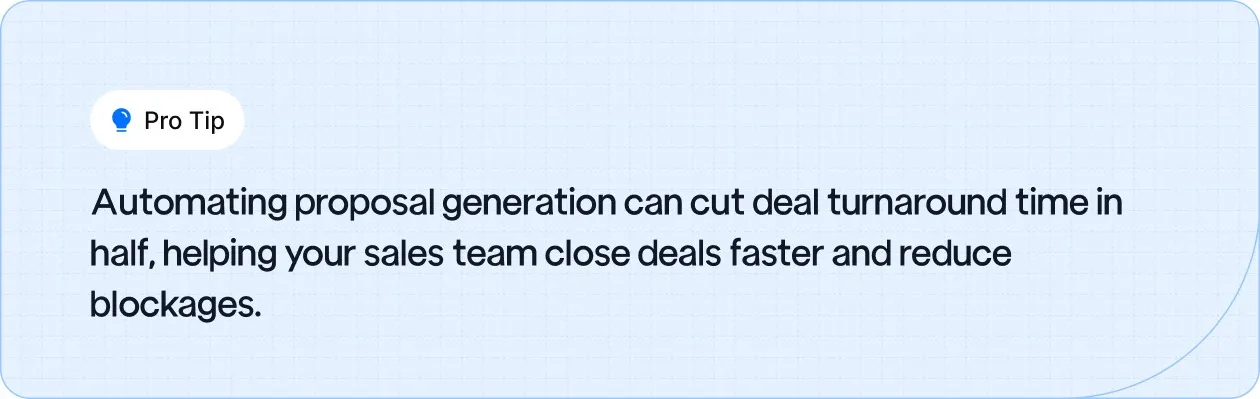
For manufacturers, creating accurate proposals and quotes can be a lengthy process, often slowing down the sales cycle.
Sales enablement automation can generate accurate, branded proposals and quotes in real-time, ensuring that pricing and terms are correct and saving valuable time for your sales reps.
7. Use AI to Predict Sales Outcomes and Improve Forecasting
Accurate sales forecasting is crucial for manufacturers to plan inventory, production, and resource allocation.
Sales enablement tools that leverage AI can analyze historical data and lead behavior, providing more accurate sales forecasts and predicting deal closures, giving you a clearer picture of future revenue.
Pro Tip: AI-powered forecasting improves sales prediction accuracy by 20%, giving manufacturers better insights to make smarter business decisions.
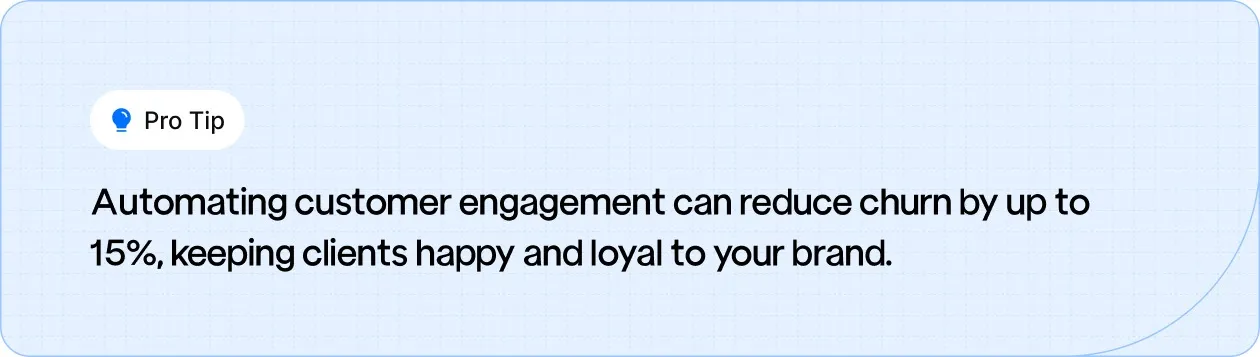
8. Automate Customer Engagement and Relationship Management
Manufacturers often face challenges in keeping up with post-sale follow-ups and ongoing customer engagement.
Automating these processes ensures that customers receive timely support, reducing churn and increasing retention rates.
9. Improve Collaboration Between Sales and Marketing Teams
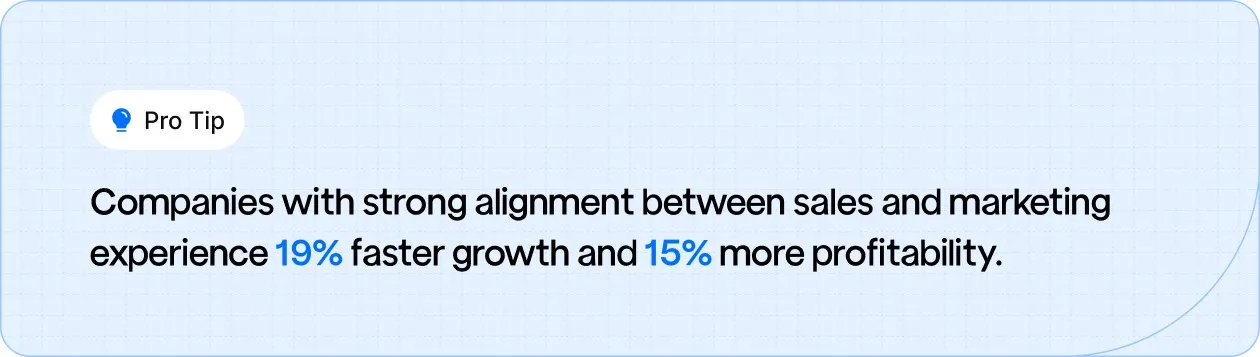
Silos between sales and marketing can result in missed opportunities and inconsistent messaging.
Sales enablement automation helps align both teams by centralizing data, content, and goals, ensuring they work together to drive results.
Must Read: Mastering B2B Sales Enablement: Strategies, Tools, and Best Practices
10. Track and Measure Sales Enablement Automation Performance
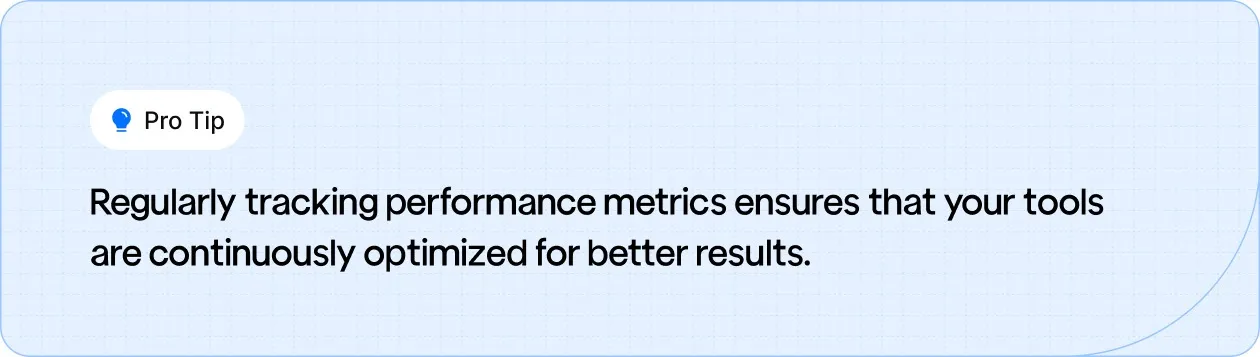
To ensure your sales enablement automation is effective, it’s essential to measure performance.
Tracking metrics like sales cycle time, win rates, and content usage gives your team insights into what’s working and what needs improvement.
Ready to Supercharge Your Sales? Harness the Power of Automation Today
Sales enablement automation is a necessity for manufacturers aiming to streamline their sales processes and boost revenue.
By reducing manual tasks, enhancing forecasting accuracy, and improving overall team performance, automation allows your sales team to focus on what truly matters: closing deals.
The challenge of juggling time-consuming tasks is real, and relying on outdated methods is no longer enough for modern success. It’s time to transform your sales process with tools that will elevate your performance.
Ready to take your sales team to the next level?
Gushwork can help you seamlessly automate your sales enablement tasks, from content delivery to lead scoring.


FAQs
Q1. What is sales enablement automation, and how can it benefit my manufacturing sales team?
A1. Sales enablement automation streamlines sales processes by automating tasks like lead scoring, content delivery, and follow-ups. For manufacturers, this means less time spent on administrative duties and more focus on building customer relationships and closing deals.
Q2. How does automating lead scoring improve sales outcomes in manufacturing?
A2. Automated lead scoring uses data-driven insights to prioritize leads based on their likelihood to convert. This ensures your sales team focuses on high-potential prospects, leading to higher conversion rates and more efficient use of resources. Platforms like Gushwork integrate with your CRM to automate this process seamlessly.
Q3. Can sales enablement automation tools integrate with our existing CRM system?
A3. Yes, many sales enablement automation tools are designed to integrate with popular CRM systems like Salesforce and HubSpot. This integration ensures a seamless flow of information, allowing your sales team to access real-time data and insights without switching between platforms.
Q4. What role does content management play in sales enablement automation?
A4. Effective content management ensures that your sales team has access to the right materials at the right time. Automated content delivery systems can recommend and provide up-to-date resources, reducing the time spent searching for information and improving the quality of customer interactions.
Q5. How can sales enablement automation assist in training and onboarding new sales reps?
A5. Automation can streamline the onboarding process by providing new hires with structured training modules, resources, and assessments. This ensures consistency in training and reduces the time it takes for new reps to become productive.
Q6. What metrics should we track to measure the success of sales enablement automation?
A6. Key metrics include lead conversion rates, sales cycle length, content usage rates, and rep productivity. By analyzing these metrics, you can assess the effectiveness of your automation efforts and make data-driven decisions to optimize your sales processes.
Q7. Is sales enablement automation suitable for small to mid-sized manufacturing businesses?
A7. Absolutely. Sales enablement automation tools are scalable and can be tailored to fit the needs of small to mid-sized businesses. By automating repetitive tasks, these tools free up your sales team's time, allowing them to focus on strategic activities that drive growth. Gushwork offers solutions designed to meet the needs of businesses of all sizes.

.webp)







.webp)



.svg)


