









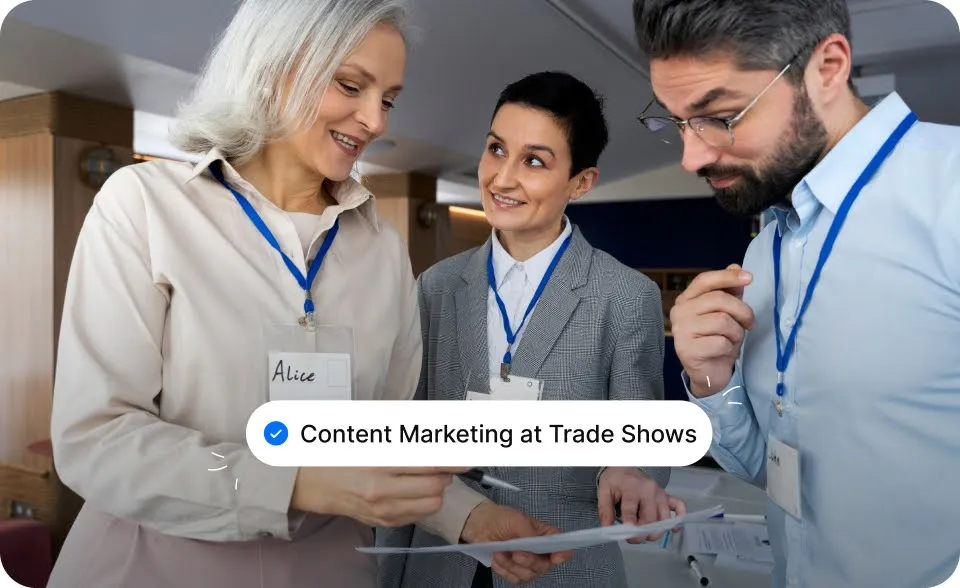
You’ve invested heavily in your trade show booth, every detail is perfect. But here’s the thing: without leveraging content marketing at trade shows, all that effort might not pay off as well as it should.
You’re not just up against other exhibitors; you’re competing for the attention of an audience flooded with information. So, what happens? Your message often gets lost, and the leads you generate are less qualified than you hoped for.
The frustrating part? You’ve got the product, but without the right content strategy, you’re missing a huge opportunity to engage potential buyers before, during, and after the show. Instead of relying solely on face-to-face interactions, you can use content to build buzz pre-show, provide real-time value during the event, and nurture those leads well after the booth has been packed up.
This guide is here to help you do just that, turn your trade show efforts into lasting, profitable relationships.
Step 1: Build Anticipation with Strong Pre-Show Content

Before the trade show even starts, you need to get your audience excited and ready. Pre-show content sets the tone for what's to come, making sure your booth is on their radar well before they step foot in the event hall.
The Power of Pre-Show Teasers: Getting Your Audience Ready
Start generating buzz early with teasers and sneak peeks. Creating anticipation for your booth ensures that visitors are eager to check out what you’re offering. You want them to know exactly why they need to stop by.
- Use social media countdowns to build excitement.
- Share behind-the-scenes previews of your booth setup or products.
- Send sneak-peek emails that give a glimpse of the event-exclusive content.
Example: Brand X used LinkedIn to share a countdown and preview of their new product, resulting in higher foot traffic and more qualified leads.
Partner with Exhibitors and Influencers for Greater Reach
Collaborating with other exhibitors or industry influencers can significantly extend the reach of your pre-show content. These partnerships create a network effect that amplifies your message and sparks curiosity among attendees.
- Team up with influencers who align with your brand to expand your reach.
- Cross-promote content with exhibitors who share a similar target audience.
- Leverage co-branded content to strengthen credibility and interest.
Leverage Email and Social Media for Early Engagement
Use email and social media to engage potential leads before the show begins. Start the conversation early to keep your audience interested and excited about what your booth will offer.
- Targeted emails to your audience with event-specific offers.
- Regular social media posts to build excitement.
- Exclusive early-bird content to get visitors hooked on your offerings.
Step 2: Engage Attendees with Valuable Content During the Show

Now that you’ve got your audience’s attention, it’s time to keep them engaged throughout the event. Using dynamic and relevant content during the show will leave a lasting impression and turn interest into real connections.
Interactive Content: Making Your Booth Stand Out
Interactive content encourages deeper engagement. By involving your audience in hands-on experiences, you're making sure they don’t just walk by, they stop and participate.
- Create live product demos to showcase your offerings in action.
- Use interactive touchscreens or AR (Augmented Reality) to make your booth more engaging.
- Offer contests or games that attendees can participate in.

Social Media: Share Live Updates to Keep Your Audience Informed
While the show is happening, keep your online audience in the loop with live updates. Share what’s happening at your booth, creating a sense of urgency for those who haven’t stopped by yet.
- Post live photos and updates during key events at your booth.
- Use hashtags for easy discovery and increased reach.
- Share behind-the-scenes moments to add authenticity to your content.
Personalize Content for Every Attendee’s Needs
Each attendee has a different need or interest. Personalizing your content helps ensure you’re offering value to everyone who stops by.
- Create content that speaks directly to specific audience segments.
- Personalize demos based on the visitor’s industry or challenge.
- Offer customized brochures or case studies relevant to their business.
Step 3: Convert Engagement into Leads with High-Value Content

Once you’ve captured attention, it’s time to turn that engagement into qualified leads. Offering valuable content that solves real problems will motivate visitors to exchange their contact details for more in-depth resources.
Turn Your Content into Lead Magnets
Don’t just give away content, make it something your leads want. Offer high-value resources in exchange for contact details to build your lead database.
- Offer whitepapers, eBooks, or guides that provide solutions to common industry problems.
- Use exclusive demos or early access to new products to make your content more desirable.
- Provide free trials or consultations as a value-added incentive.
Qualify Leads with Interactive Content
Interactive content is not only great for engagement, it’s also an excellent way to qualify leads. Use assessments or quizzes to gauge interest and collect information on potential buyers.
- Create quizzes that assess how well your product can solve their pain points.
- Use interactive assessments to qualify leads in real time.
- Offer tailored solutions based on the lead’s answers.
Optimize your content to attract attention and convert it into valuable leads for your business.


Step 4: Keep the Momentum Going After the Show

The work doesn’t end when the event does. Post-show content helps you maintain momentum, turning your trade show success into long-term relationships and continued engagement.
Repurpose Your Event Content to Maintain Engagement
Maximize the value of your content by repurposing it. Whether it’s videos, social posts, or event highlights, your trade show content can continue driving engagement long after the show ends.
- Convert event videos into blog posts or YouTube content.
- Use social media highlights to share key moments.
- Create follow-up blog posts that summarize the best parts of the show.
Example: Brand Y created a blog post summarizing key takeaways from their event presentations, keeping the conversation going for months.
Set Up Automated Follow-Ups to Nurture Leads
Now that you’ve gathered all those leads, it’s time to nurture them with automated follow-up sequences. This will ensure that you stay in touch and continue building relationships.
- Set up automated email sequences to send relevant content after the event.
- Use targeted offers or personalized emails based on attendee interest.
- Follow up with case studies and demo links to keep leads engaged.
Step 5: Create a Continuous Lead-Generation Funnel with Content

Content marketing doesn’t stop at the event. By aligning your content with the buyer’s journey, you can continue nurturing leads and guiding them toward a purchase decision, ensuring a constant flow of qualified prospects.
Align Content with the Buyer’s Journey
Your content strategy should evolve as your leads do. Align your content with the stages of the buyer’s journey, awareness, consideration, and decision-making, to ensure you’re addressing their needs at each stage.
- Create awareness content that educates leads about industry challenges.
- Provide consideration content that shows how your solutions fit.
- Use decision-making content that offers case studies and testimonials to push them to convert.
Personalize Content for Maximum Relevance
Personalized content leads to higher engagement. Tailor your content to each lead’s position in the sales funnel to ensure they receive the most relevant messages.
- Use dynamic content that adapts to each lead’s stage in the buyer’s journey.
- Provide customized offers based on their previous interactions.
- Segment leads and create specific content paths for each segment.

Step 6: Track, Measure, and Optimize Your Content Marketing for Future Shows

To truly maximize ROI, you need to track how your content is performing. By analyzing results and refining your approach, you can ensure better performance at future trade shows.
Measure the Success of Your Content Strategy
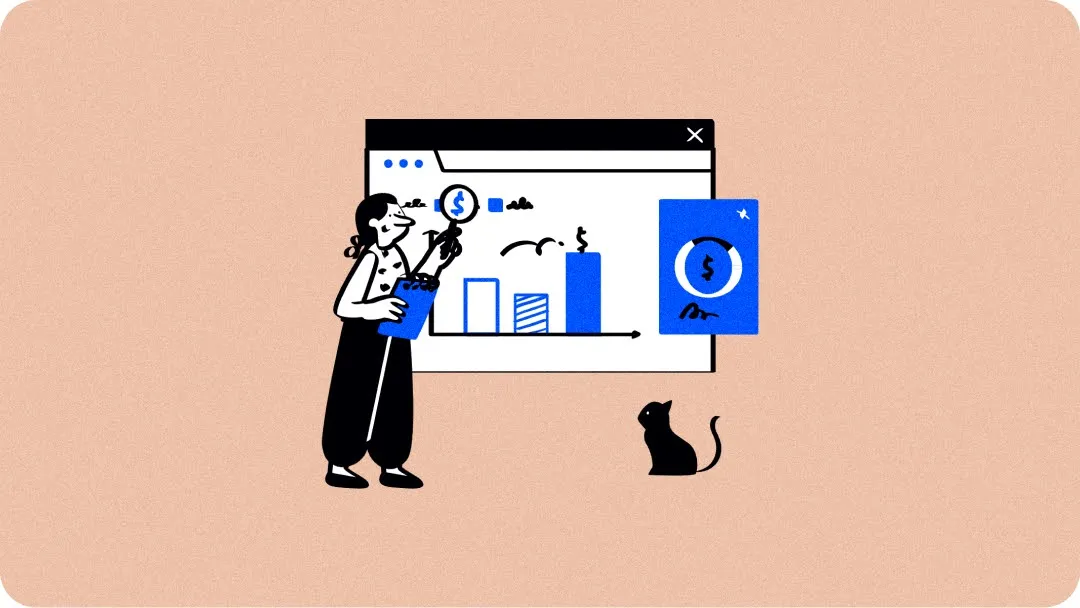
Track how your content performs during and after the show. Key metrics such as content views, lead conversions, and social media engagement will provide insights into what works and what doesn’t.
- Monitor website traffic driven by event content.
- Track social media engagement and responses to your posts.
- Measure lead conversions from content offers and follow-up emails.
Use Analytics to Refine Future Content Strategies
Use analytics tools to identify which content pieces performed best. This will help you optimize your content strategy for better results at future trade shows.
- Look at conversion rates for each content piece.
- Analyze engagement across platforms to see what resonates most.
- Use A/B testing to optimize your content for different segments.
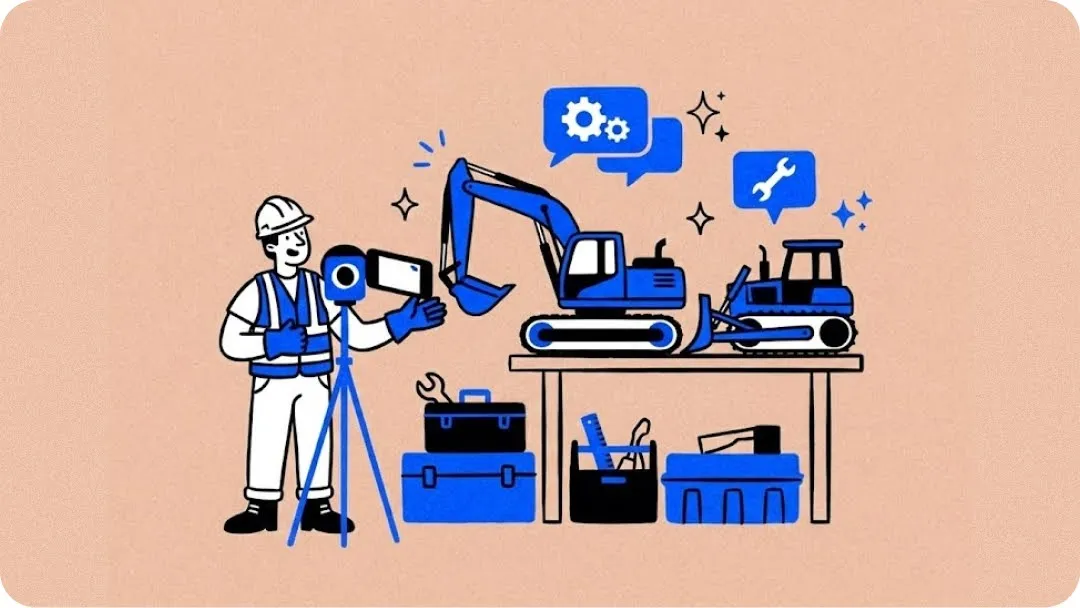
Bonus: Key Content Marketing Tips for Trade Shows That Manufacturers Shouldn’t Miss
- Multi-Channel Content is Essential for Maximum Reach
Don’t limit yourself to just one channel. By using email, social media, and your website, you ensure that your content reaches as many potential leads as possible.
- Video Content is a Game Changer
Leverage videos to engage your audience. With higher engagement rates, videos can significantly boost interest in your booth and product offerings.

Why Utilizing Content Marketing at Trade Shows is the Key to Long-Term Success?
Content marketing at trade shows is about more than just drawing attention during the event. It’s a strategic tool for generating high-quality leads, building long-term relationships, and boosting your ROI.
By utilizing content marketing, you’re not just hoping for a successful event, you’re actively shaping an ongoing relationship with your leads. Content drives more than foot traffic to your booth; it builds lasting connections that fuel future business opportunities.
The impact of an effective content strategy stretches well beyond the event itself. It builds a foundation for nurturing leads, keeping the conversation alive, and guiding prospects through their buyer’s journey.
A well-executed strategy not only delivers short-term results but also fosters continuous engagement, which keeps your brand top-of-mind for future opportunities.
Partner with Gushwork to build a content-driven plan that maximizes your trade show results.
FAQs
Q1: How can content marketing help manufacturers stand out at trade shows?
A1: Content marketing allows manufacturers to generate buzz and engage attendees before the event even starts. By using targeted teasers, pre-show content, and tailored messaging, you can attract the right audience to your booth and set the stage for meaningful conversations.
Q2: What types of content should I create for trade shows to drive the most leads?
A2: Focus on high-value content like whitepapers, case studies, and exclusive demos. These resources help establish authority and provide solutions to potential customers' pain points. Interactive content like quizzes or assessments can also qualify leads on the spot.
Q3: How do I engage attendees during a trade show using content marketing?
A3: Utilize live demos, interactive content, and social media updates to keep your audience engaged. Tailoring your content to each visitor’s needs and providing instant value through personalized demos or content will leave a lasting impression.
Q4: What role does social media play in content marketing at trade shows?
A4: Social media is essential for sharing real-time updates from your booth, showcasing product demos, and engaging with both onsite and remote audiences. Using event-specific hashtags and live posts can generate additional buzz and attract more visitors to your booth.
Q5: How can I convert engagement at trade shows into long-term leads?
A5: Offer lead magnets like exclusive content or special offers in exchange for attendee information. Use automated follow-up emails and personalized content to nurture these leads, ensuring continued engagement long after the event.
Q6: What are the key metrics to track for measuring the success of content marketing at trade shows?
A6: Track metrics like lead conversions, social media engagement, and content views. Analyzing these will help determine which content strategies were most effective, allowing you to refine future content and optimize for better results.

.webp)






.webp)


.svg)


