









When was the last time someone chose a brick supplier just because the price looked good on a brochure?
They didn’t. And you know that. Decisions in the brick manufacturing industry are slow, deliberate, and deeply tied to trust. Buyers want to see how your bricks perform, how consistent your production is, and how your material holds up across real projects and real conditions. That confidence is rarely built through sales calls alone. It’s built through the information they find when they research you on their own.
This is where content marketing becomes far more than a marketing strategy. It becomes proof of reliability. A quiet way to show your standards, your process, and the thinking that goes into every batch you produce.
This blog explores how content marketing can help brick manufacturers strengthen credibility, influence decision makers early, and turn interest into meaningful enquiries.
What Content Marketing Really Means for Brick Manufacturers?
Content marketing for the brick manufacturing industry is about guiding choice at the specification stage. It supports the moment when architects, builders, and contractors decide which materials will shape the structure of a project.
Instead of promoting products, effective content:
- Helps decision makers compare brick types based on performance and use case
- Shows consistency through real project applications and case references
- Explains standards, testing methods, and compliance without overwhelming jargon
- Supports material selection during design and planning, not just purchase
- Answers questions that typically slow down approvals or cause hesitation
This type of content works quietly but powerfully. It positions your brand as a reliable source of information, not just a supplier. And when buyers feel informed, their decisions carry more confidence. That is where trust forms and leads follow.
Also Read: Master the Art of Utilizing Content Marketing at Trade Shows: A Step-by-Step Guide
Brick by Brick: Building Your Content Marketing Strategy
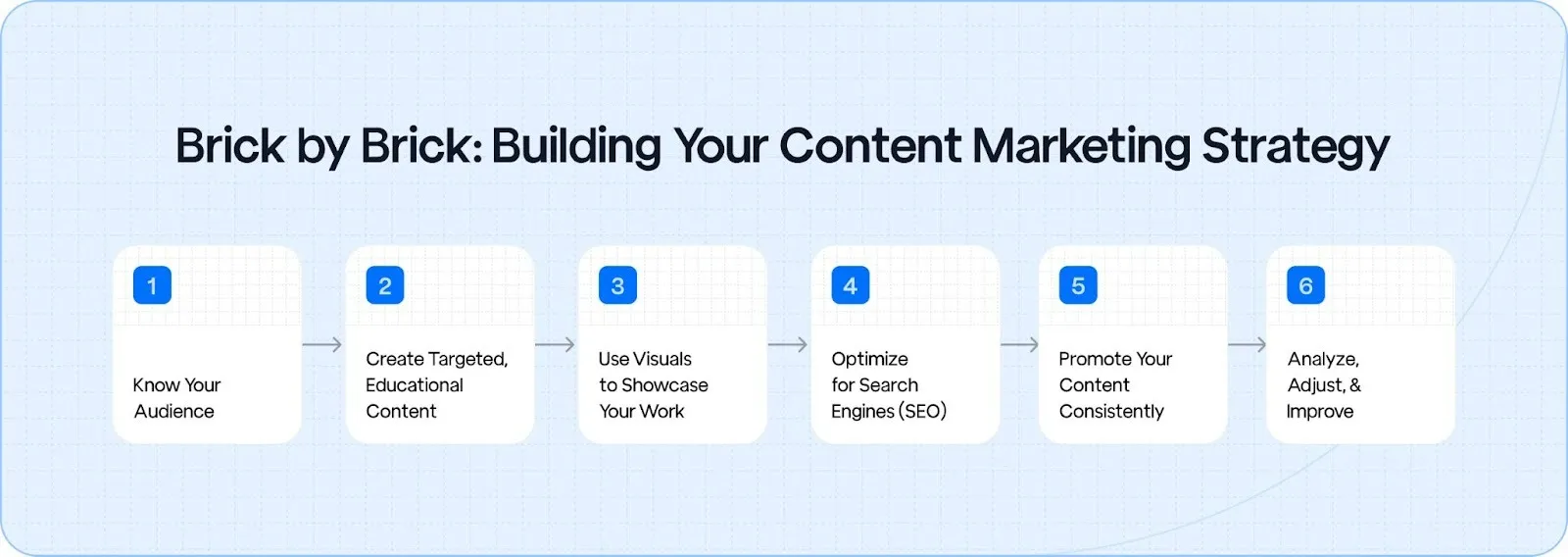
Here’s how you can build a strategy that works, step-by-step:
Step 1: Know Your Audience
To start building your strategy, you need to understand the exact problems your audience is trying to solve. Are they contractors looking for reliable, durable materials? Or architects seeking sustainable building options?
Pinpointing these specific needs will guide the type of content you create. How-to guides, product comparisons, and case studies should be laser-focused on addressing your audience’s pain points.
Define Your Ideal Buyers
We identify who your brick products are meant for and align keywords with how they actually search.


Step 2: Create Targeted, Educational Content
Content that educates helps them make informed decisions. For example:
- How-to guides on choosing the right bricks for different construction needs.
- Product breakdowns that explain the technical specs of your bricks.
- Industry reports that highlight trends in sustainable building and how your bricks meet those needs.
These types of content establish your company as a trusted expert, not just a seller.
Create Content That Builds Trust
We develop clear, informative content that shows the quality, durability, and application of your bricks.
Step 3: Use Visuals to Showcase Your Work
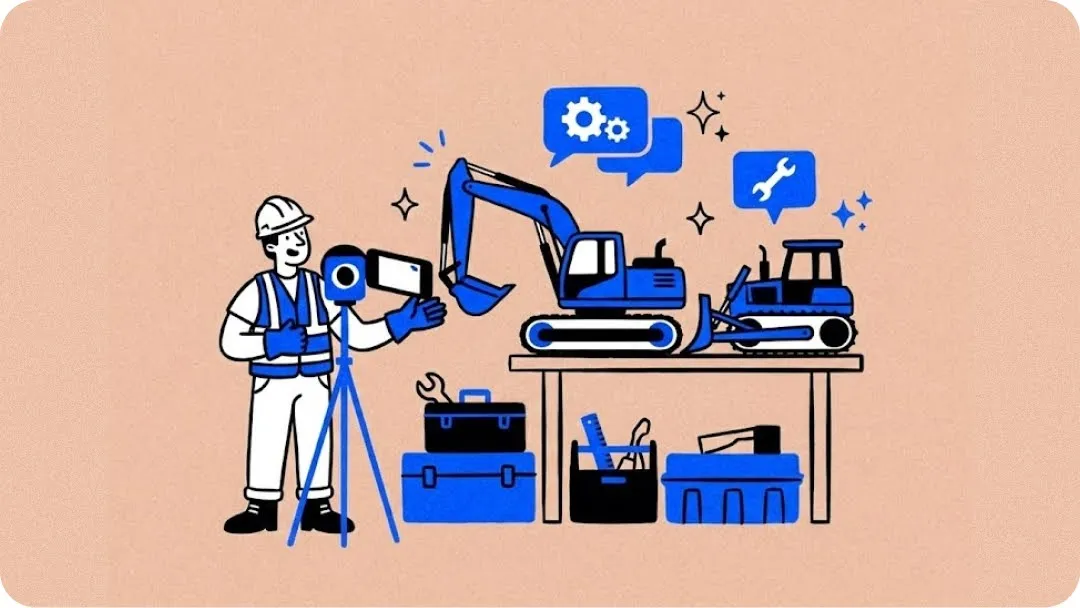
Don’t underestimate the power of visuals. Photos of your bricks in finished projects, video tours of your manufacturing process, and infographics breaking down brick durability grab attention and help customers understand the tangible benefits of your product.
A behind-the-scenes factory tour or a time-lapse of a construction project using your bricks could provide that “wow” factor that engages potential clients.
Step 4: Optimize for Search Engines (SEO)
Even the best content won’t help if people can’t find it. SEO optimization ensures that your content reaches the right audience. Focus on keywords specific to the brick manufacturing industry, terms like “durable bricks,” “eco-friendly building materials,” and “best bricks for high-traffic areas.”
By incorporating these keywords naturally into your blog posts, case studies, and product descriptions, you increase the chances of appearing in search engine results when potential customers are looking for solutions.
Step 5: Promote Your Content Consistently
Like laying bricks in a wall, distribute your content consistently across channels like your website, email newsletters, and social media. Engage with your audience through comments, shares, and likes, and make sure your content resonates. Consistency helps build momentum, keeping your company top-of-mind for your audience.
Step 6: Analyze, Adjust, and Improve
Finally, don’t forget to measure the impact of your content. Use tools like Google Analytics, social media insights, and customer feedback to gauge what’s working and what’s not.
Are certain blog topics generating more leads? Is your video content getting more engagement than written posts? Use these insights to refine your strategy and ensure your content is as effective as possible.
Each step is essential to building a robust, effective strategy that supports your business long-term. Over time, you’ll have a solid content foundation that attracts, educates, and converts your audience into loyal customers.
Effective Content Marketing Strategies for Your Brick Manufacturing Business
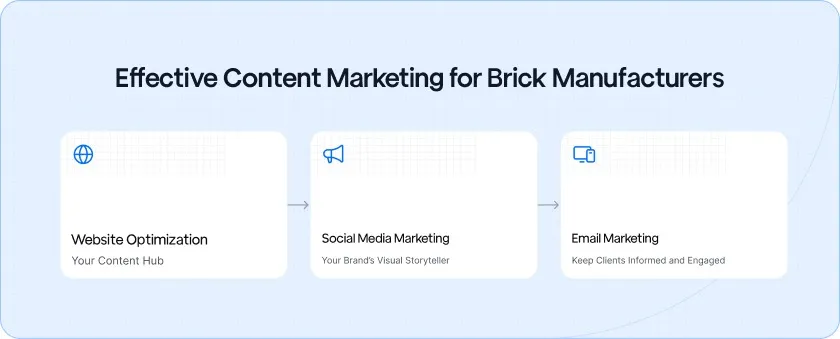
Content marketing for brick manufacturers isn’t a one-size-fits-all solution. It requires a personalized, strategic approach that reflects your unique value proposition and reaches the right audience in the right way. Here are the essential strategies to ensure your content resonates and drives results.
Website Optimization
Your website is the backbone of your content marketing strategy. It’s where potential customers go to learn more about your products, company, and values. To turn your site into a lead-generating machine, it needs to be more than just a digital brochure. Here’s how to optimize it:
- Clear CTAs: Every page should have strategically placed Calls to Action (CTAs). "Request a Quote," "Download Brochures," or "View Case Studies," these buttons guide visitors toward their next step.
- Educational Landing Pages: Create pages dedicated to educating potential customers on your brick’s specifications, applications, and benefits.
- User-Friendly Navigation: Make it easy for customers to find what they’re looking for. Simplify menus, reduce clicks, and organize information in a digestible format.
Your website is the digital storefront that should provide the exact information potential clients are looking for, while guiding them smoothly toward making a purchase.
Social Media Marketing
Social media is no longer just for B2C brands. It's a powerful tool for B2B manufacturers too, especially in industries like brick manufacturing. Platforms like LinkedIn, Facebook, and Pinterest are essential for building your brand’s presence and engaging with your target audience.
- Showcase Projects: Share images and videos of your bricks used in real-world applications, such as in large construction projects or eco-friendly buildings.
- Behind-the-Scenes Content: Let potential clients in on the manufacturing process, showing the quality control, care, and precision that goes into every brick.
- Customer Success Stories: Share testimonials and case studies of satisfied clients, build credibility and trust.
By regularly posting relevant, engaging content, you can increase your visibility and connect with decision-makers in the construction and architecture industries.
Email Marketing
Email marketing is a cost-effective way to stay top-of-mind with your customers, nurture leads, and provide valuable industry insights. Here’s how to use it effectively:
- Segmented Email Campaigns: Create personalized email lists based on customer interests, project types, and stages in the sales funnel. For example, contractors might be interested in bulk orders, while architects might seek more information on sustainability.
- Regular Newsletters: Keep your audience informed with updates on product offerings, industry news, and how your products solve specific problems.
- Lead Nurturing: Use automated email sequences to nurture leads who have shown interest but haven’t converted yet. Provide them with educational content, special offers, or detailed product specs to help them make informed decisions.
Email marketing offers a direct line to your audience, making it a key strategy for brick manufacturers looking to maintain relationships with existing clients and convert new ones.
Also Read: The B2B Manufacturing Marketing System: Build Visibility, Trust, and Sales
Using Data to Optimize Your Brick Marketing Content
In today’s digital marketing landscape, data is your best friend. But only if you know how to use it.
With the right analytics tools and techniques, brick manufacturers can make smarter, data-driven decisions that lead to better content, higher engagement, and ultimately, more conversions.
Here’s how you can use data to elevate your marketing efforts:
Performance Tracking Tools
Understanding how well your content is performing is crucial for optimizing your strategy. By using tools like Google Analytics, social media insights, and CRM software, you can gain actionable data to refine your content.
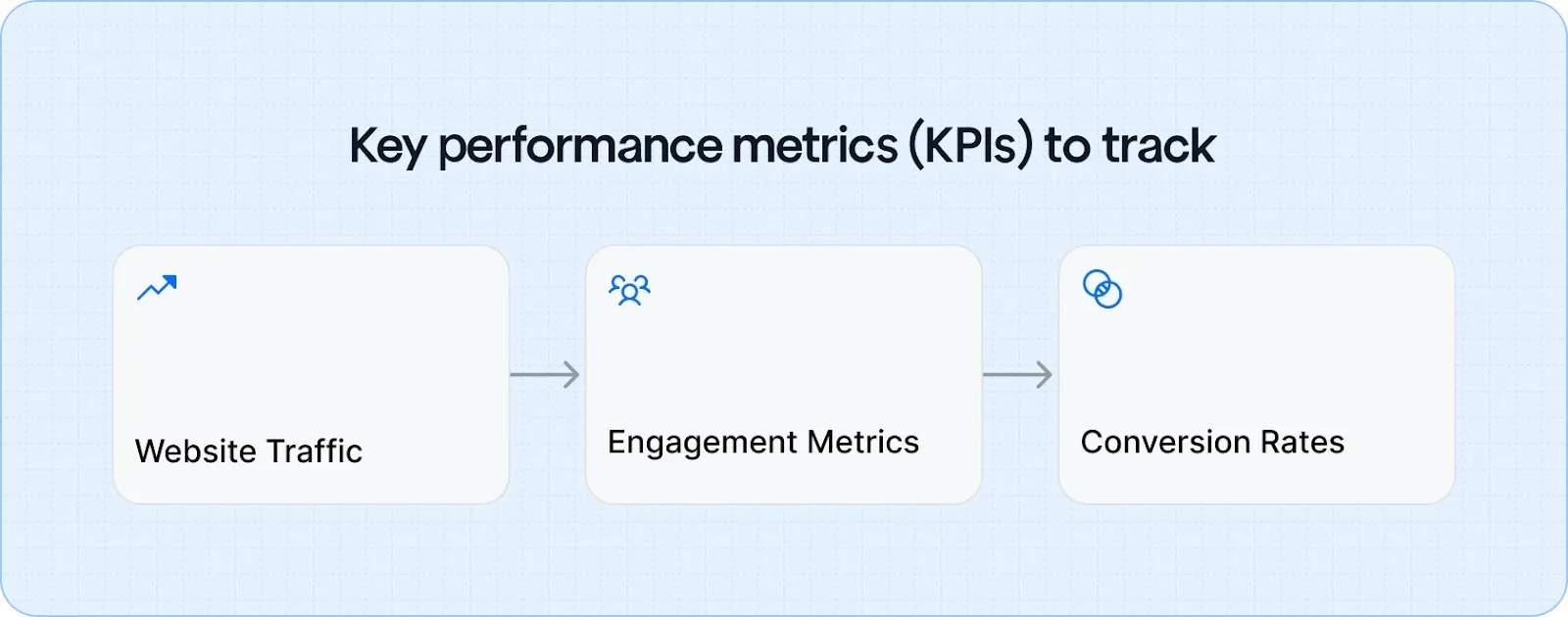
Key performance metrics (KPIs) to track include:
- Website Traffic: How many visitors are coming to your site? Which pages are they visiting? This helps you identify what’s attracting attention and where to focus your efforts.
- Engagement Metrics: Track how often people interact with your content, whether that's through comments, shares, or time spent on a page. The higher the engagement, the more successful your content is at connecting with your audience.
- Conversion Rates: Ultimately, you want your content to drive actions, whether that’s submitting a contact form, signing up for a newsletter, or requesting a quote. Keep track of what’s converting and why.
By regularly monitoring these metrics, you can see which types of content are resonating with your audience and adjust your strategy accordingly.
Audience Segmentation and Personalization
Not all your customers are the same, so why treat them like they are? Segmentation allows you to break your audience into smaller, more manageable groups based on criteria like:
- Role: Contractors, architects, and real estate developers all have different needs and pain points.
- Location: Geographical differences can impact the type of bricks needed, especially in regions with varying climates or building regulations.
- Project Type: A small residential builder might have different requirements than a large-scale commercial contractor.
Tailoring content for these specific personas ensures that each group receives the information most relevant to them. For example, an architect might appreciate a blog post on the aesthetic qualities of brick, while a contractor might be more interested in content focused on durability and cost-effectiveness.
Personalization increases engagement, builds stronger relationships, and drives more qualified leads to your business.
Refine Your Content Strategy with A/B Testing
Once your content is live, how do you know if it’s effective? The answer lies in A/B testing. This testing allows you to compare two versions of a piece of content, whether that’s an email subject line, a landing page, or a blog title, to see which performs better.
It’s a powerful tool for continuously refining your strategy and ensuring you're always moving toward higher conversion rates.
By analyzing the results of A/B tests, you can identify which messaging, formats, and CTAs resonate most with your audience and make adjustments accordingly. Even small tweaks can result in better engagement and higher conversion rates over time.
Avoid These Mistakes When Marketing Your Bricks Online
Here are some common pitfalls and how to avoid them:
Make Complex Ideas Easy to Grasp
Bricks are, by nature, a technical product. But that doesn’t mean your content needs to be overly technical or jargon-heavy. The key is to strike the right balance between providing enough detail while keeping things accessible for a broad audience. Here’s how:
- Use Simple Language: Instead of overwhelming your audience with industry jargon, focus on explaining key concepts in simple terms. For example, instead of talking about “compressive strength” and “mortar adhesion,” you might say, “Our bricks can handle more weight without cracking and bond well with other materials.”
- Incorporate Visuals: Diagrams, infographics, and videos are an excellent way to explain complex ideas quickly. Showing the differences between types of bricks, or demonstrating their performance in different environments, can make a huge difference in how well your audience understands the product.
Overload with Content
It’s easy to fall into the trap of cranking out blog posts, social media updates, and emails just for the sake of it. But content overload can lead to burnout, confusion, and disengagement. Here’s how to focus on quality over quantity:
- Create Evergreen Content: High-value, timeless content that remains relevant over time should be the foundation of your strategy. Examples include detailed guides on how to choose the best bricks for various projects or the environmental benefits of using bricks in construction. This type of content continues to attract leads long after it’s published.
- Repurpose Content: Instead of constantly creating new content, repurpose high-performing content across different channels. A blog post can be turned into a video, infographic, or podcast, ensuring that it reaches a broader audience without requiring a lot of extra work.
How to Stay On Top of Your Content Strategy?
Here’s how to maintain a strong, reliable presence in the digital world.
Create Interactive Content
Interactive content is one of the most effective ways to engage your audience and keep them coming back. Tools like quizzes, calculators, and product selectors allow your prospects to actively participate in the content experience. For example:
- Brick Cost Calculators: Help contractors estimate the cost of a brick-based construction project based on materials, square footage, and labor.
- Quizzes to Choose the Right Brick: Guide customers through a series of questions to find the perfect brick for their needs.
Interactive content provides value and encourages visitors to spend more time on your website, increasing the chances of conversion.
Engage with Your Audience
Content marketing is a two-way street, and by responding to comments on social media, blog posts, and email newsletters, you create meaningful conversations that build trust. Here’s how to engage effectively:
- Social Media Conversations: Respond to comments and messages on platforms like LinkedIn and Facebook. Share insights, answer questions, and offer solutions to challenges your audience is facing.
- Blog Comments: Take the time to reply to blog comments with additional value. With more detailed answers or linking to related content.
- Email Feedback: Ask for feedback in your newsletters and use it to refine your approach.
When your audience feels heard and valued, they’re more likely to return for more information, turning them into loyal customers.
6 Proven Content Types That Will Get Your Bricks Noticed
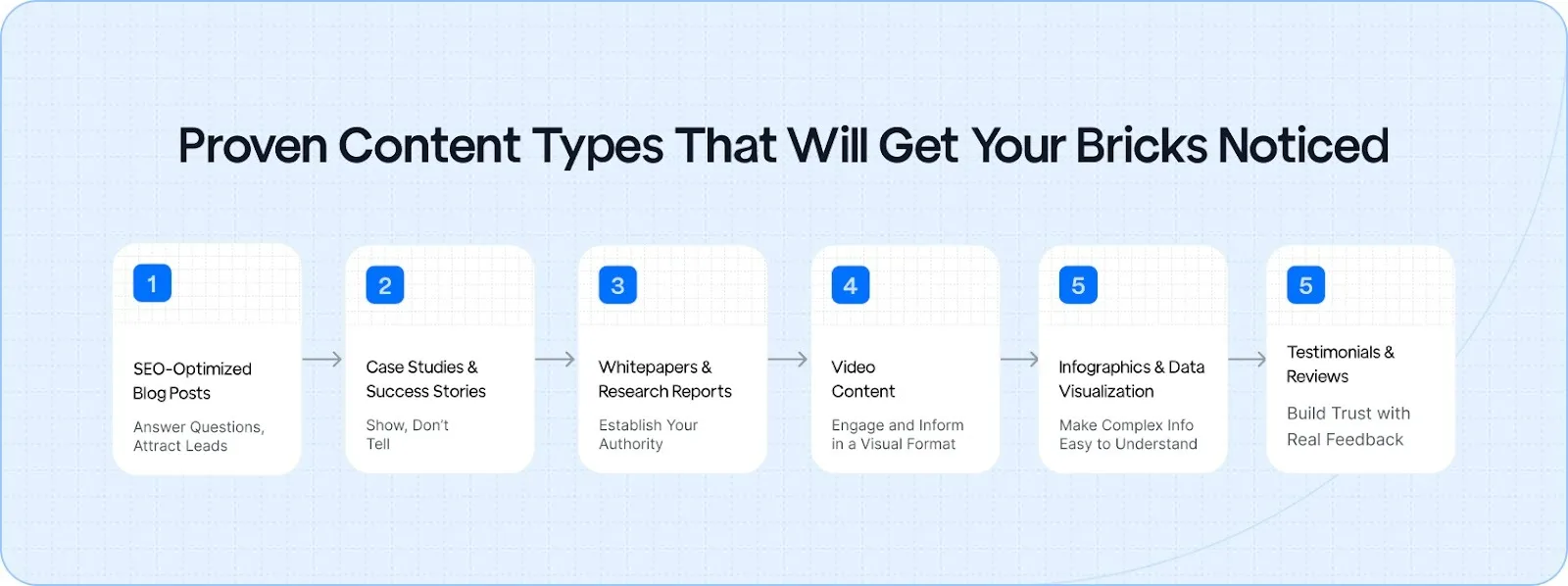
Content marketing for brick manufacturers requires writing blog posts and creating valuable, diverse content that serves both your audience and your business goals. Let’s look at the types of content that will help your brand stand out.
1. SEO-Optimized Blog Posts
SEO isn’t just a buzzword; it’s the key to getting your content found by the right people. To ensure your content reaches potential customers, focus on creating SEO-optimized blog posts that answer common industry questions. For example:
- “What Type of Bricks are Best for High-Traffic Areas?”
- “How Do Eco-Friendly Bricks Benefit Construction Projects?”
- “The Benefits of Bricks Over Other Building Materials”
These blog posts help educate your audience and drive organic traffic to your site by ranking for the questions your potential customers are searching for.
Improve Your Search Visibility
We support your content with SEO that helps your brick products appear in relevant searches.
Also Read: How Manufacturers Can Win More Leads With SEO
2. Case Studies and Success Stories
Nothing builds trust like real-world success. Case studies and success stories are powerful tools for showing how your bricks have been successfully used in large projects. Highlight the challenges faced by your clients, how your bricks solved their problems, and the positive outcomes.
This content adds credibility to your product and positions your company as a solution provider.
- Example: A case study on how your bricks contributed to a sustainable building project can attract contractors and developers looking for green building materials.
3. Whitepapers and Research Reports
Whitepapers and in-depth research reports are perfect for demonstrating your industry knowledge and positioning your company as an authority. These resources give your audience insights into the latest trends, technologies, and best practices in the brick industry.
- Example: “The Future of Sustainable Brick Manufacturing: Trends and Insights for 2025”
Whitepapers also work well for lead generation. Offer them as downloadable content in exchange for contact information, helping you capture qualified leads.
4. Video Content
Videos are an incredibly engaging way to convey information. From how-to guides to factory tours, videos provide a visual connection that written content can’t match. Here are some video content ideas for your brick business:
- Product Demonstrations: Show how your bricks are used in real-world applications, such as construction projects or design mockups.
- Customer Testimonials: Let your satisfied customers speak for you. Video testimonials help humanize your brand and build trust.
5. Infographics and Data Visualization
Infographics and data visualizations are the perfect way to explain complex concepts quickly and clearly. For example, create an infographic that compares the durability of different types of bricks or breaks down the environmental benefits of using eco-friendly bricks. This format makes it easier for your audience to digest valuable information and share it with others.
6. Customer Testimonials and Reviews
The best marketing comes from your existing customers. Customer testimonials and reviews provide social proof, showing potential clients that your products live up to their promises. Ask happy customers to share their experience using your bricks, and showcase their stories on your website, social media, and product pages.
Conquer Content Marketing Challenges in the Brick Industry
Marketing bricks isn’t without its challenges, and understanding these hurdles is the first step to overcoming them. The brick industry is filled with unique complexities, but with the right approach, you can turn these challenges into opportunities.
Simplify Technical Content
Bricks are technical products with many specifications, but that doesn’t mean your content has to be overly complex. Simplifying technical content ensures it resonates with both technical and non-technical audiences. Use easy-to-understand language, and supplement with visuals that make complex ideas easier to grasp.
Keep Prospects Engaged Over Time
The construction industry has long sales cycles, especially for large-scale projects. Keep your prospects engaged with valuable content at every stage of their buying journey. Whether it's blog posts, whitepapers, or case studies, make sure you're consistently nurturing leads until they’re ready to convert.
Standing Out in a Competitive Market
The brick industry is competitive, and differentiating yourself can be tough. Focus on your unique selling points, whether that’s sustainability, custom-made bricks, or superior durability, and build content around these advantages. By offering unique value, you can carve out your niche in the market.
How Content Marketing Can Make Your Bricks Stand Out in a Crowded Market
Content marketing is your key to building a strong presence in a crowded market. With the right strategy, you can establish your brand as a leader and attract high-quality leads.
Build Brand Authority and Expertise
By consistently producing valuable content, you position your company as an authority in the brick manufacturing industry. Blog posts, whitepapers, and industry insights are all great ways to showcase your knowledge and help your audience solve problems.
Enhance Customer Education and Engagement
Bricks are a major investment in construction projects, and customers want to make the right choice. Provide educational content, like how-to guides and comparison charts, to help your customers make informed decisions.
Generate Qualified Leads
Targeting niche markets within the construction industry will help you attract the right leads. Case studies, whitepapers, and industry-specific content are excellent tools for engaging decision-makers in the construction and real estate sectors.
Improve SEO and Search Visibility
Optimizing your content with the right keywords will help you rank higher in search engine results. Use SEO best practices to ensure your content is discoverable by those searching for brick-related solutions.
The Secret to Converting Traffic Into Sales
In the brick manufacturing industry, simply attracting traffic isn’t enough. It’s about converting that traffic into qualified leads and long-term business relationships.
Content marketing allows you to build trust, educate your audience, and showcase your expertise in ways that resonate with both technical and non-technical customers.
- The real challenge isn’t just getting visitors to your site; it’s ensuring that the content you produce drives conversions.
- A strategic, ongoing content marketing plan will establish your brand’s authority, attract the right leads, and nurture those leads until they’re ready to make a purchase.
Ready to Strengthen Your Content Marketing?
Get expert guidance to build a content strategy that supports trust, visibility, and steady inquiries.


.webp)





.webp)


.svg)


